

 English
 русский
 中文简体
中文简体What Does a Proportional Valve Do? Functions, How It Works, and Selection
2026-09-21
Content
A hydraulic press starts and stops with a hard jolt. An operator tries to feather a manual control valve, but the response is either fully open or fully closed. The real problem is not the operator; it is the valve design. In many of these situations, the right answer is a proportional valve.
A proportional valve delivers a continuous range of flow or pressure instead of simple on/off states. It lets a machine ramp up speed, change force, hold a position, or move without sudden shocks. The question "what does a proportional valve do" comes up in both hydraulics and pneumatic systems, and the answer has wide implications for design, maintenance, and purchasing.
What a Proportional Valve Does
A proportional valve is a control component that modulates flow or pressure in proportion to an input signal. In simple terms, the more current you send to the solenoid, the further the valve opens. The less current, the closer it closes. This allows infinitely variable positions, not just fully open or fully closed.
Three core functions make proportional valves valuable:
- Flow control: adjusts the speed of a cylinder or motor.
- Pressure control: limits or regulates force in a system.
- Directional control: manages the path of fluid to extend, retract, or stop an actuator.
Unlike a standard solenoid valve, which behaves like a light switch, a proportional valve behaves more like a dimmer switch. This distinction is at the heart of its usefulness.
Proportional Valve vs. On/Off Valve
| Characteristic | On/Off Valve | Proportional Valve |
|---|---|---|
| Control states | Open / closed | Infinite positions |
| Motion smoothing | Poor | Excellent |
| System shock | High | Low |
| Electronics needed | Minimal | Moderate |
| Cost level | Lower | Higher |
How a Proportional Valve Works
Inside a proportional valve, a solenoid pushes a spool against a spring. The coil receives a varying electrical signal, often 0–10 V or 4–20 mA. As the current rises, the magnetic force overcomes the spring force and moves the spool proportionally. The spool position then opens or closes the flow paths by precise amounts.
Modern proportional valves often include an integrated electronic feedback. A position sensor measures the spool's exact location and sends a signal back to the driver card. The controller compares the desired position with the actual position and corrects any error. This closed-loop process improves repeatability and stability.
Some designs use a proportional pressure valve rather than a flow valve. In that case, the valve adjusts downstream pressure in proportion to the command signal. This is common when a hydraulic motor must maintain constant torque or when a brake system needs a controlled tension level.
Types of Proportional Valves
Engineers select different proportional valve families depending on the circuit. The table below gives a quick comparison of the main types.
| Type | Function | Typical Use |
|---|---|---|
| Proportional flow valve | Adjusts flow rate | Cylinder speed, motor speed |
| Proportional pressure valve | Adjusts pressure | Clamping force, braking torque |
| Proportional directional valve | Controls direction and flow | Complex actuator movements |
For high-flow circuits, many proportional valves use a pilot stage. A small pilot spool moves first, then the main stage follows. This direct-acting or pilot-operated arrangement is common in heavy-duty industrial valves.
Proportional Control in Automotive Pneumatic Brake Systems
In automotive air brake systems, precise pressure regulation is critical. A driver expects a smooth stop, not a sudden lock-up. While not every air brake valve is labelled "proportional," many components perform proportional-like pressure or flow regulation.
For example, a relay valve reduces the distance that air must travel to the brake chamber by responding to a small pilot pressure. A booster valve amplifies the signal to deliver stronger braking force. These valves do not simply switch on and off; they modulate pressure based on the command from the pedal.
At the component level, parts such as a brake king relay valve or a double-bridge relay valve are designed for reliable, repeatable pressure control in commercial vehicles. Manufacturers of these valves must hold tight machining tolerances, consistent spring rates, and stable rubber seals. That is why Yuyao Zhedong Automotive Parts Factory, operating under the ZEAST Autoparts brand, builds valve assemblies and machined components that withstand heavy service in a supplier chain that spans multiple countries.
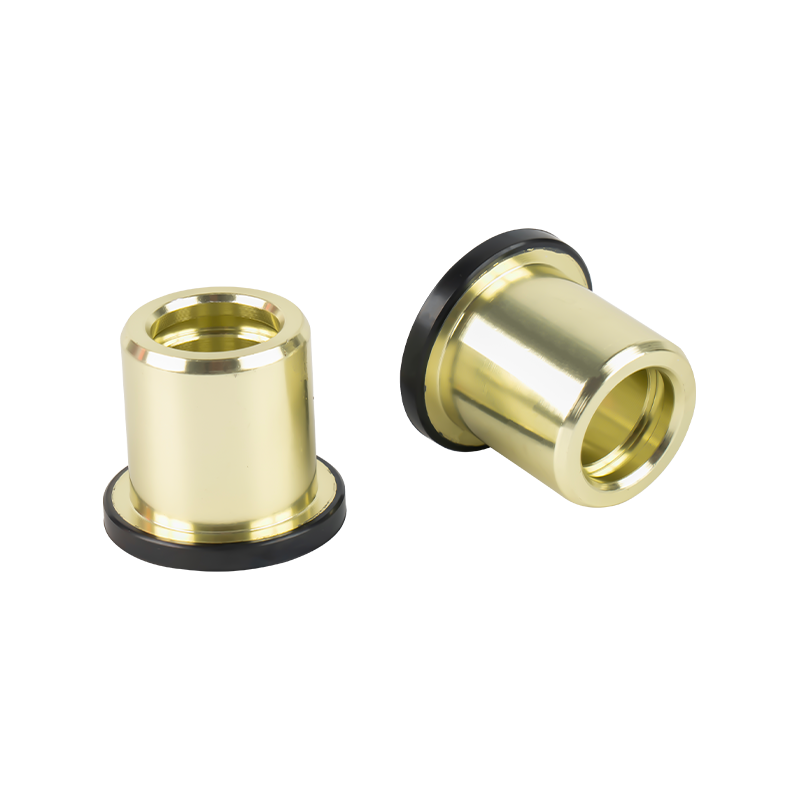 Booster Valve B for Pneumatic and Hydraulic Pressure RegulationThis Booster Valve B from ZEAST Autoparts enhances system responsiveness and flow control, reducing pressure loss in automotive and industrial applications. Its robust build suits high-demand environments and supports efficient operation.View Product →
 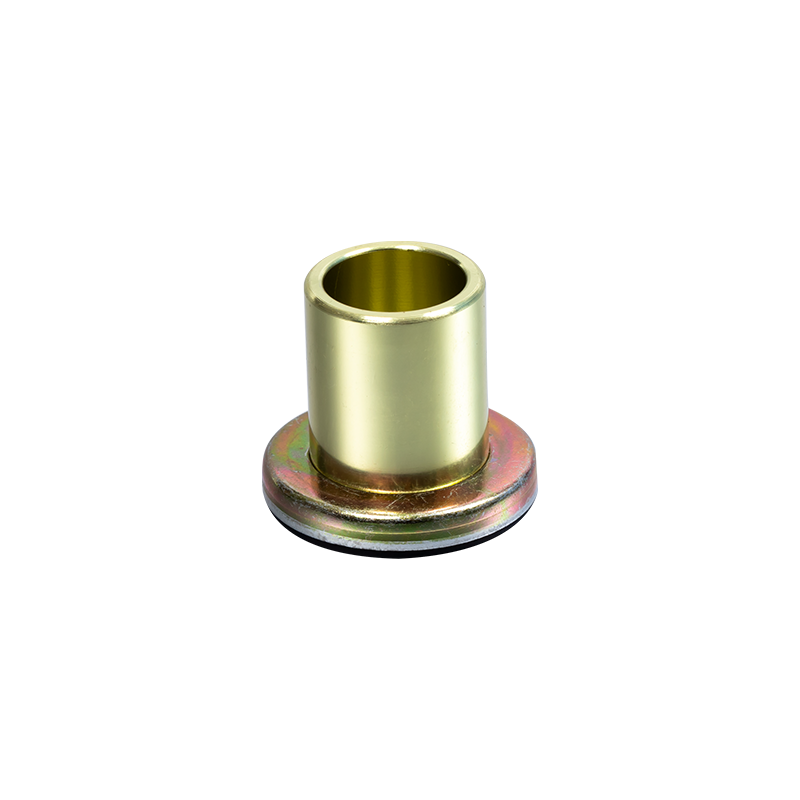 Brake King Relay Valve for Reliable Air Brake Pressure ControlThe Brake King Relay Valve manages airflow in pneumatic braking systems, ensuring quick and responsive braking under demanding conditions. Its stable high-pressure performance helps reduce component wear and extends brake system lifespan.View Product →
Choosing a Proportional Valve: What You Need to Know
Selecting the right proportional valve is not simply about operating pressure or connection size. The following points directly affect performance and service life:
- Flow capacity: Calculate the maximum flow the system requires under all operating conditions, including temporary surges.
- Pressure range: Choose a valve whose rated pressure matches or exceeds your system maximum.
- Signal type: Confirm whether your existing controller can supply the required current or voltage, and whether the valve has an onboard driver.
- Response time: Fast cycles need faster spool transition, but excessive speed can create pressure spikes.
- Seal and material compatibility: Consider fluid temperature, humidity, and exposure to chemicals or road contaminants.
- Repeatability and hysteresis: These parameters define how closely the output matches the command from one cycle to the next.
Small differences in spool clearance, surface finish, and O-ring hardness can produce large differences in real-world behavior. A valve that seems identical on paper may fail early if the manufacturer does not control machining quality and assembly cleanliness. When evaluating suppliers, look for an established manufacturing base with in-house metalworking and rubber processing.
Why Component Quality and Supplier Experience Matter
Proportional valves are still valves. They need a spool and bore with tight clearances, springs with predictable rates, and seals that remain flexible for years. In the pneumatic brake sector, failure is not an option. A truck's brake system must deliver controlled pressure in every load and weather condition.
ZEAST Autoparts supplies valve-type products, valve cylinder assemblies, and machined parts to automotive groups and international customers. Their factory includes tooling, rubber, and adhesive workshops, which gives them control over multiple production steps. For a proportional valve or brake valve project, a supplier with this vertical integration can respond faster to drawing changes and quality feedback.
“The best proportional valve is the one that continues to perform predictably after millions of cycles.”
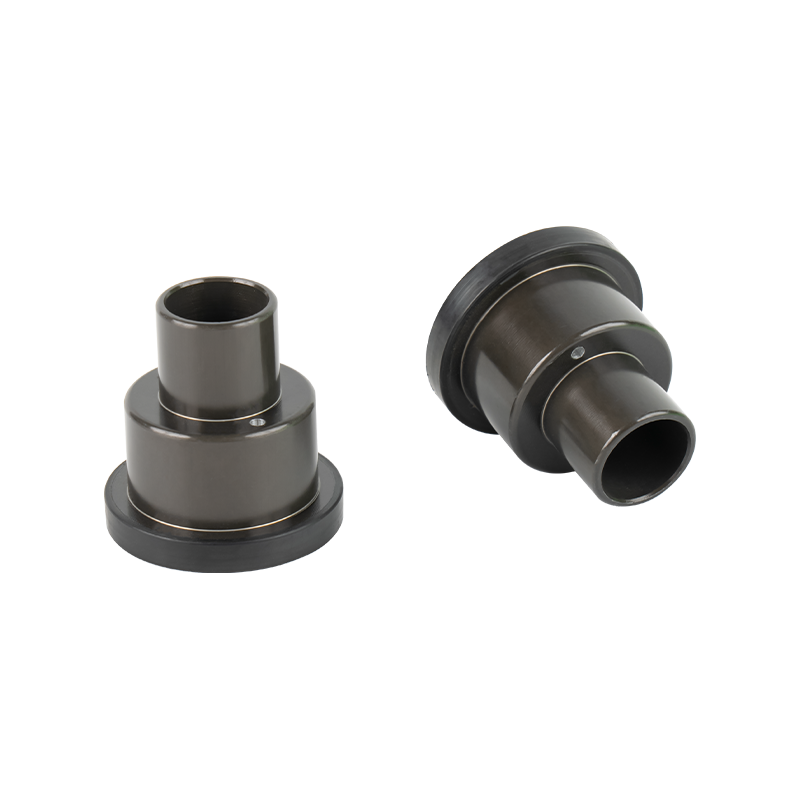 Double Bridge Relay Valve for Efficient Air Distribution in Heavy-Duty SystemsThis Double Bridge Relay Valve from ZEAST Autoparts distributes airflow efficiently in complex braking or pneumatic systems. Its solid construction and stable functionality improve responsiveness and reduce air loss in heavy-duty vehicles and industrial machinery.View Product →
Understanding what a proportional valve does starts with one concept: continuous, proportional adjustment of flow or pressure. This capability transforms machines from abrupt on/off devices into smooth, efficient systems. For engineers and buyers, the key is to match the valve type to the application and, equally important, to select a manufacturer that controls the details of machining, sealing, and assembly.
If you are sourcing pneumatic brake valves or related components, read our overview of pneumatic brake valves or explore the full product range from ZEAST Autoparts.