

 English
 русский
 中文简体
中文简体What Is a Valve Assembly? The Engine Component Explained
2026-06-22
Content
- 1 What Is a Valve Assembly? A Clear Definition
- 2 The Three Main Subsystems of an Automobile Valve Cylinder Assembly
- 3 Component Overview: What Makes Up a Complete Valve Assembly
- 4 How the Valve Cylinder Assembly Works: The Four-Stroke Cycle
- 5 Valve Seat Quality: The Most Wear-Critical Component in the Assembly
- 6 Signs of Valve Assembly Failure and What They Mean
- 7 Valve Assembly Types Across Different Engine Architectures
- 8 Sourcing Automobile Valve Cylinder Assembly Components: What Buyers Should Evaluate
What Is a Valve Assembly? A Clear Definition
A valve assembly is a integrated mechanical unit composed of all the components that work together to control the flow of gases into and out of an engine cylinder. In automotive engineering, the term most commonly refers to the automobile valve cylinder assembly—a core subsystem of the internal combustion engine that governs intake and exhaust timing, sealing, and gas exchange at each cylinder.
Unlike a single valve component, a valve assembly encompasses everything needed to make the valve system function as a whole: the valves themselves, their seats, guides, springs, and the actuation train (camshaft, tappets, pushrods, and rocker arms) that opens and closes them in precise synchronization with the piston's movement. The cylinder block provides the structural housing that holds this entire assembly in position.
Put simply: without a properly functioning valve cylinder assembly, an engine cannot breathe—and without breathing, combustion is impossible. Every horsepower, every unit of fuel efficiency, and every gram of exhaust emission is directly influenced by how well this assembly performs.
The Three Main Subsystems of an Automobile Valve Cylinder Assembly
The automobile valve cylinder assembly is typically divided into three functional subsystems, each with distinct components and responsibilities:
1. The Valve Group
The valve group contains all the components that directly interface with the combustion gases. Each component in this group performs a specific sealing or guidance function:
- Valves (intake and exhaust): Poppet-style valves that open to allow gases in or out, and close to seal the combustion chamber during the compression and power strokes.
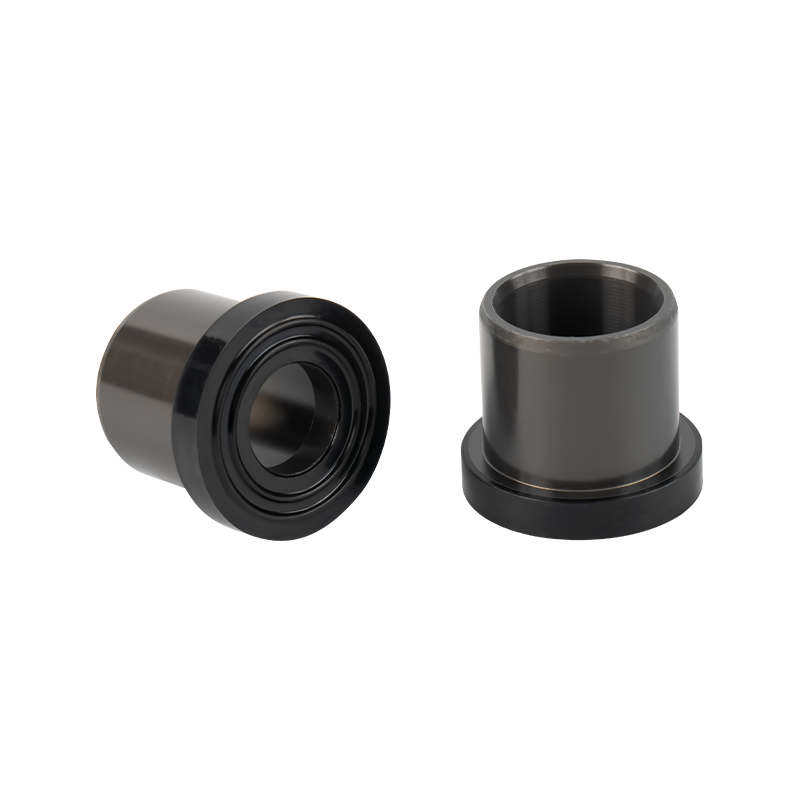
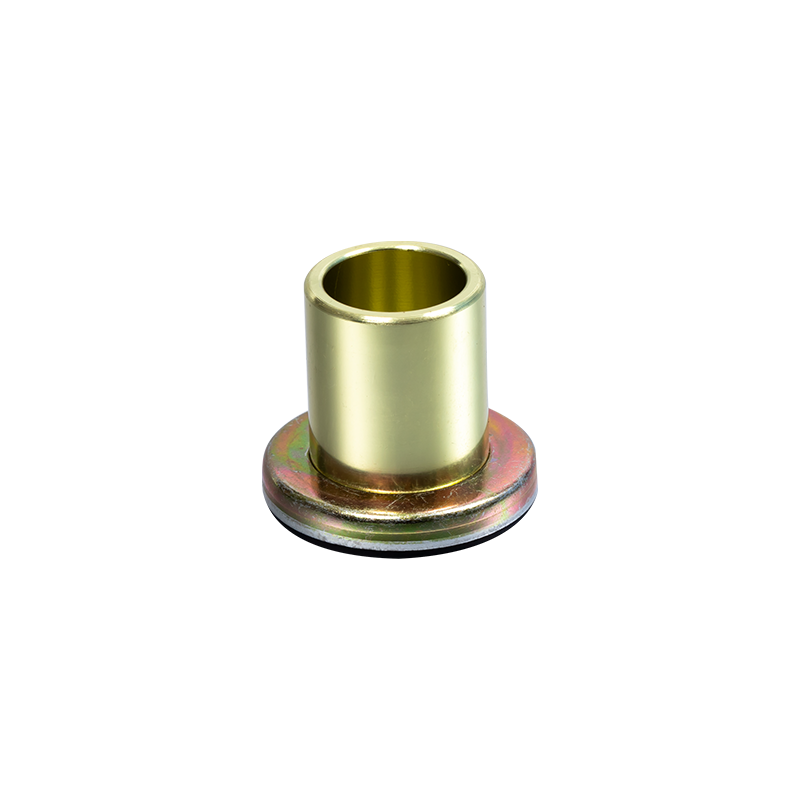
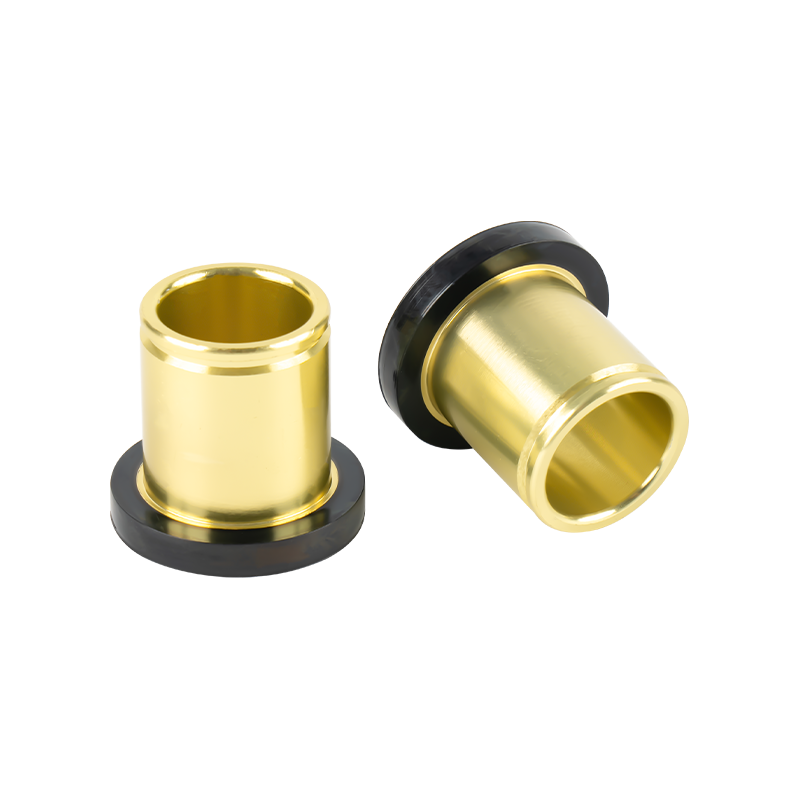
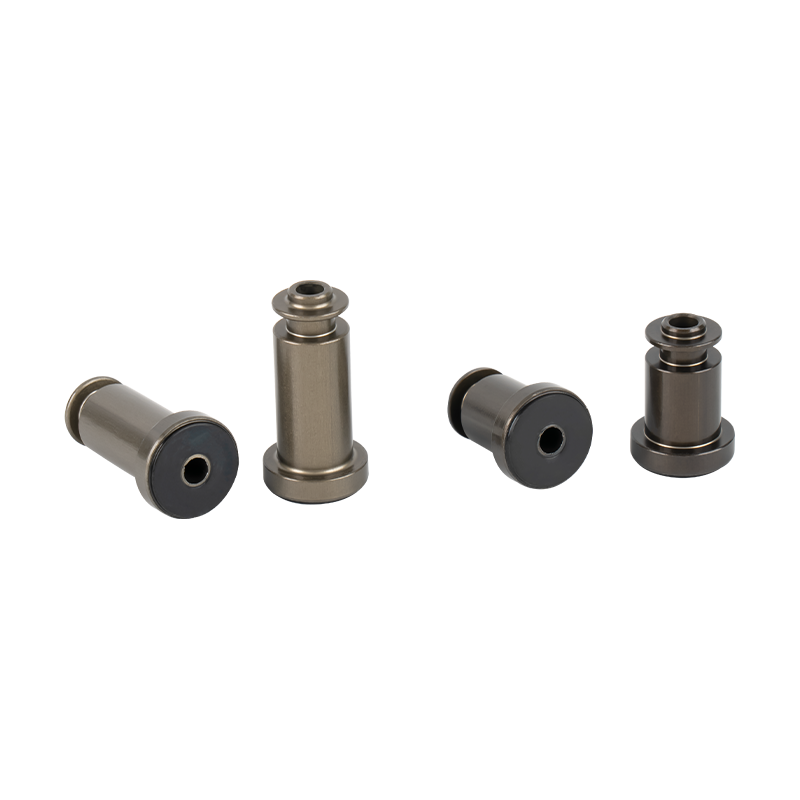
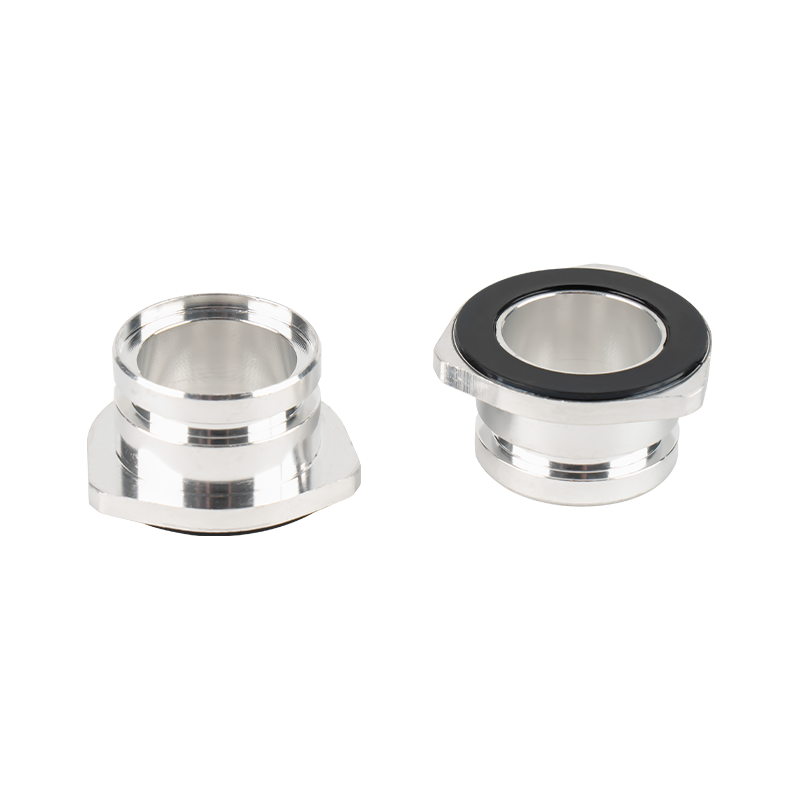
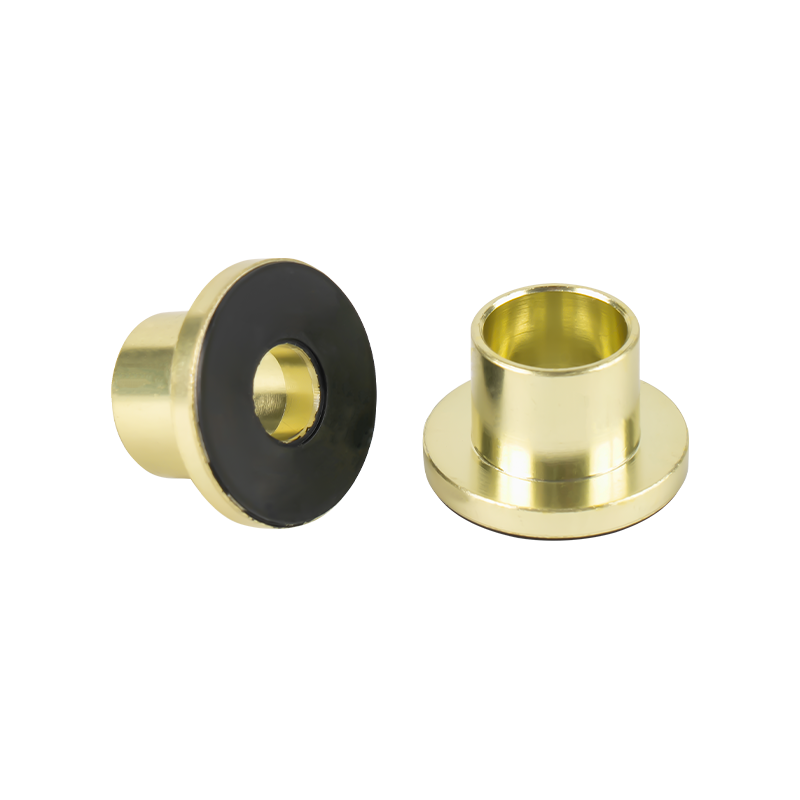
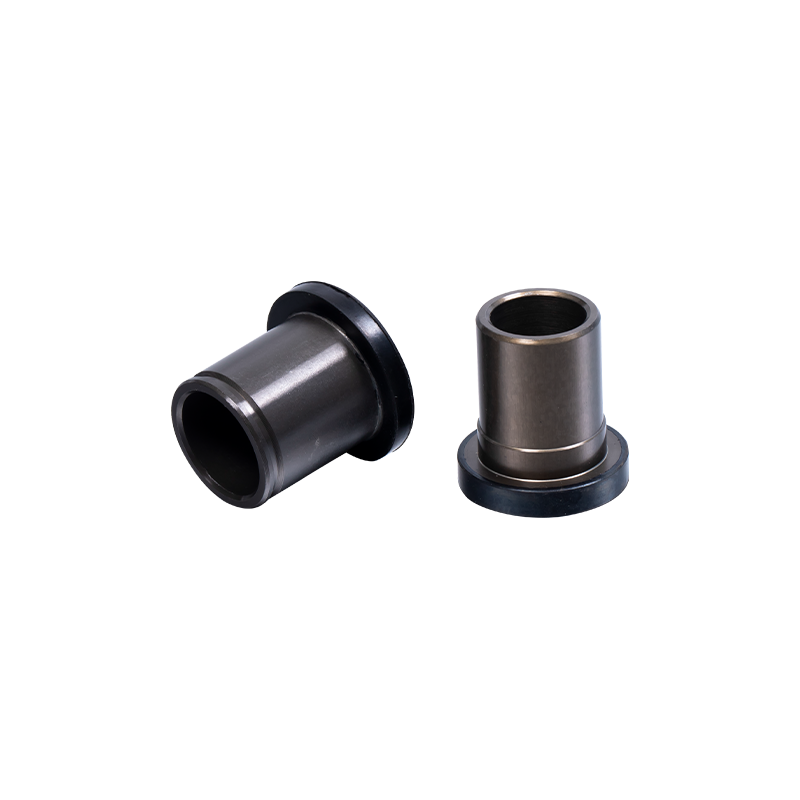
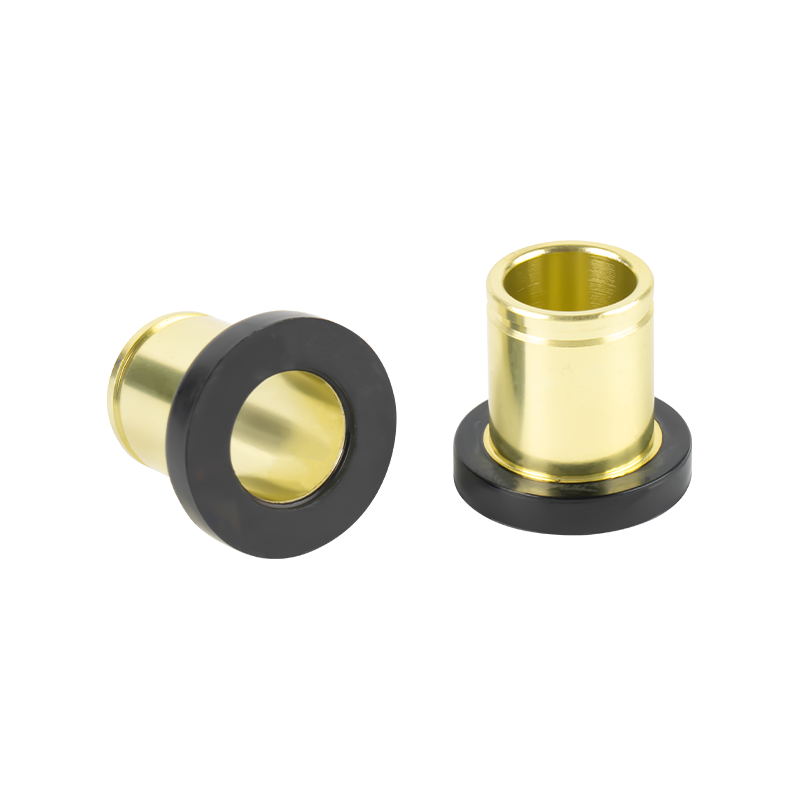
- Valve seats: Precision-machined rings pressed into the cylinder head against which the valve face seals. Valve seats are critical wear surfaces—especially exhaust seats, which must withstand repeated thermal shock. In brake valve seat manufacturing, dimensional accuracy at the seating face is held to tolerances measured in hundredths of a millimeter.
- Valve guides: Cylindrical bushings that constrain the valve stem to move in a straight line, preventing lateral wobble that would cause uneven seat wear and oil consumption.
- Valve springs: Coiled springs that return the valve to its closed (seated) position after the camshaft lobe passes and stops applying lift force. Spring rate and installed height are engineered to maintain valve control at the engine's maximum RPM.
2. The Valve Train
The valve train is the mechanical linkage between the camshaft and the valve itself. Its job is to translate camshaft rotation into precise, timed valve lift. Depending on engine architecture (overhead cam or pushrod), the valve train components include:
- Camshaft: Rotates at half the crankshaft speed (in 4-stroke engines) and features lobes whose profile determines valve lift, duration, and timing.
- Tappets (lifters): Ride directly on the camshaft lobes and transmit the lifting force upward through the valve train.
- Pushrods: Present in overhead-valve (OHV) engines, these rigid rods transfer motion from the tappets (located in the block) up to the rocker arms in the cylinder head.
- Rocker arms: Lever arms that pivot on a shaft or individual studs, converting the upward push of the pushrod (or direct cam lobe contact in OHC engines) into a downward force on the valve stem tip to open the valve.
3. The Cylinder Block
The cylinder block is the foundational casting that houses the cylinders, coolant passages, oil galleries, and mounting points for the cylinder head. It is the structural backbone of the entire valve cylinder assembly—all other components either attach to it or operate within passages machined into it. Block rigidity and thermal stability directly affect the dimensional alignment of valve seats and guides throughout the engine's operating temperature range.
Component Overview: What Makes Up a Complete Valve Assembly
The table below provides a structured overview of all key components within a standard automobile valve cylinder assembly, their location, and their primary function:
| Component | Subsystem | Primary Function | Key Failure Mode |
|---|---|---|---|
| Intake valve | Valve group | Opens to admit air/fuel mixture into cylinder | Carbon buildup, burned face |
| Exhaust valve | Valve group | Opens to expel combustion gases | Thermal erosion, recession |
| Valve seat | Valve group | Sealing surface for valve face | Recession, pitting, wear |
| Valve guide | Valve group | Constrains valve stem alignment | Stem clearance wear, oil consumption |
| Valve spring | Valve group | Returns valve to closed position | Fatigue fracture, loss of tension |
| Camshaft | Valve train | Drives valve timing and lift profile | Lobe wear, bearing failure |
| Tappet / lifter | Valve train | Follows camshaft lobe; transmits lift | Pitting, collapsed hydraulic unit |
| Pushrod | Valve train | Transfers motion from tappet to rocker arm | Bending, tip wear |
| Rocker arm | Valve train | Multiplies and redirects lifting force onto valve stem | Pivot wear, pad erosion |
| Cylinder block | Structural housing | Houses cylinders and supports all components | Cracking, bore wear, warping |
How the Valve Cylinder Assembly Works: The Four-Stroke Cycle
The valve assembly does not operate in isolation—it functions in precise coordination with the piston and crankshaft through the four-stroke combustion cycle. Understanding this cycle clarifies exactly what the valve assembly must accomplish and why each component's specification matters:
- Intake stroke: The piston moves downward, creating negative pressure. The camshaft opens the intake valve, allowing the air-fuel mixture (or air alone in direct-injection engines) to fill the cylinder. The exhaust valve remains closed.
- Compression stroke: Both valves close. The piston moves upward, compressing the mixture. Proper valve sealing is essential here—any leakage past a worn valve seat or a burned valve face will reduce compression pressure and cause a measurable loss of power.
- Power stroke: The spark plug fires (or fuel self-ignites in diesel engines), and the expanding combustion gases push the piston downward. Both valves remain closed throughout this stroke. The sealing integrity of the valve group is under maximum stress at this point.
- Exhaust stroke: The exhaust valve opens, and the piston moves upward to push spent gases out of the cylinder. The exhaust valve and its seat face temperatures that can exceed 700°C in this phase—far hotter than the intake valve, which is cooled by the incoming charge.
In a typical 4-cylinder engine running at 3,000 RPM, each valve opens and closes 1,500 times per minute. Over the engine's service life, this translates to hundreds of millions of valve seating events—which is why material quality and dimensional precision in every valve assembly component are non-negotiable.
Valve Seat Quality: The Most Wear-Critical Component in the Assembly
Among all the components in a valve assembly, the valve seat is often the most performance-critical from a durability standpoint. It is the only static contact point between the moving valve and the cylinder head, and it must simultaneously provide a gas-tight seal, transfer heat from the valve face into the coolant-bearing head casting, and withstand repeated mechanical impact without distortion or recession.
Manufacturers specializing in automotive brake valve seat production—such as Yuyao Zhedong Automotive Parts Factory Co., Ltd. (zdqp.com), located in the Economic Development Zone of Yuyao City, Zhejiang Province—apply similar precision standards to their valve seat manufacturing. The company holds ISO9001:2000 international quality system certification and reports an annual production capacity of over 5 million sets of valve seats. This scale is significant: high-volume precision manufacturing is only achievable when dimensional tolerances, material composition, and heat treatment processes are tightly controlled across every production batch.
Key material and dimensional factors that determine valve seat performance include:
- Material hardness: Exhaust valve seats in particular must resist recession under high thermal and impact loads. Powder-metallurgy or high-alloy cast iron seats are standard for modern engines, especially those running on fuels that provide less lubrication than leaded gasoline historically did.
- Interference fit: Seats are pressed into the head with a precise interference fit to ensure they cannot rotate or back out during operation. Insufficient interference leads to seat recession and catastrophic loss of compression.
- Seat angle and width: The contact angle (typically 30°, 45°, or 60°) and width of the seating face directly determine how effectively heat is transferred from the valve into the head and how well the seal holds under combustion pressure.
- Surface finish: The seating face must be machined to a surface finish specification that allows uniform metal-to-metal contact around the full circumference of the valve. Any out-of-roundness or surface roughness above specification creates localized hot spots and leakage paths.
Signs of Valve Assembly Failure and What They Mean
Because the valve cylinder assembly operates under extreme conditions of heat, pressure, and mechanical repetition, wear and failure are inevitable over the engine's service life. Recognizing the symptoms of valve assembly problems early prevents minor component wear from escalating into major engine damage:
Loss of Compression
A compression test revealing one or more cylinders below specification is a direct indicator of valve assembly failure. The most common causes are a burned exhaust valve face, a worn valve seat (allowing the valve to sink deeper into the head and lose face contact), or valve guide wear leading to lateral movement that prevents proper seating.
Ticking or Tapping Noise from the Cylinder Head
A rhythmic ticking noise that increases with engine RPM—and disappears or changes character when the engine warms up—typically indicates excessive valve clearance in the valve train. This may be caused by worn tappets, a collapsed hydraulic lifter, or cam lobe wear reducing the effective lift delivered to the valve stem.
Blue or Black Exhaust Smoke
Blue smoke on startup or deceleration typically indicates valve stem seal failure, allowing engine oil to migrate down the valve guides and into the combustion chamber when intake manifold vacuum is high. Black smoke at load can indicate an intake valve not opening fully (due to valve train wear) or failing to close completely, reducing volumetric efficiency.
Rough Idle or Misfires
When a valve is burned or its seat is damaged to the point that the combustion chamber cannot hold adequate compression on one or more cylinders, the result is a rough, uneven idle and potential misfire codes from the engine management system. This symptom often becomes more pronounced when the engine is under load.
Valve Assembly Types Across Different Engine Architectures
Not all valve cylinder assemblies are configured identically. Engine design—particularly the location of the camshaft—determines the layout and complexity of the valve train portion of the assembly:
| Architecture | Camshaft Location | Valve Train Components | Typical Application |
|---|---|---|---|
| OHV (Overhead Valve) | In the cylinder block | Tappets, pushrods, rocker arms | Trucks, commercial vehicles, older passenger cars |
| SOHC (Single Overhead Cam) | In the cylinder head | Rocker arms or direct bucket tappets | Economy passenger cars, motorcycles |
| DOHC (Dual Overhead Cam) | Two cams in the cylinder head | Direct-acting bucket tappets or finger followers | Performance and modern passenger cars, sport engines |
| VVT-equipped DOHC | Two cams with variable phasing | Hydraulic cam phasers added to base DOHC train | Modern fuel-efficient passenger cars, hybrids |
Regardless of architecture, the valve group components (valves, seats, guides, springs) remain fundamentally the same across all configurations. It is the valve train—the actuating mechanism—that changes most significantly between engine types. This means that valve seat manufacturing expertise transfers directly across all engine families, which is why high-volume seat suppliers can serve multiple vehicle segments from a single production operation.
Sourcing Automobile Valve Cylinder Assembly Components: What Buyers Should Evaluate
For OEM manufacturers, engine rebuilders, and automotive parts distributors sourcing valve cylinder assembly components at scale, quality consistency is the most important procurement criterion—ahead of price. A single out-of-specification valve seat that allows valve recession will generate warranty claims and field failures that far outweigh any per-unit cost savings.
Key criteria to apply when evaluating suppliers of valve assembly components include:
- Quality management certification: ISO9001 certification provides a documented framework for dimensional control, material traceability, and process consistency. For automotive applications, IATF 16949 is the more stringent automotive-specific standard.
- Production capacity and supply consistency: An annual capacity of several million units per product type indicates that the supplier has industrialized their process—moving beyond prototype or low-volume production into genuine process control.
- Material certification and traceability: Request material test certificates (MTCs) confirming chemical composition and heat treatment results for each production batch. For valve seats especially, hardness uniformity across the seating face is critical.
- In-house tooling and mold manufacturing: Suppliers with their own mold manufacturing centers—as Yuyao Zhedong Automotive Parts Factory operates—can respond faster to custom specifications and maintain tighter dimensional control than those who outsource tooling.
- OEM supply track record: A supplier with an established history of delivering components to major automotive groups demonstrates the ability to meet the documentation, packaging, and delivery requirements of professional automotive procurement.