

 English
 русский
 中文简体
中文简体Automotive Engine Valve Guide: Types, Clearance, Tolerances and Sourcing
2026-10-12
Content
- 1 What an Automotive Engine Valve Has to Survive
- 2 Engine Valve Types, Materials and Heat Exposure
- 3 Valve Clearance and Adjustment: The Numbers That Matter
- 4 Failure Symptoms, in the Order They Usually Appear
- 5 Tolerances: Where a Valve Job Lives or Dies
- 6 Guide Wear and the Parts Behind It
- 7 Engine-Adjacent Parts: Actuation and Shut-off
- 8 Sourcing Automotive Engine Valve Components: What to Verify
A 12-litre commercial diesel arrives at the workshop after 600,000 km with a burnt exhaust valve on cylinder four. The valve face is dished, the seat insert has hammered a ring groove into the head, and the guide bore measures about 0.05 mm oval. Nothing else on the engine looks obviously wrong.
That single teardown covers the whole subject. An automotive engine valve is never just one part; it is the hottest link in a chain that includes the seat insert, the guide, the stem seal, the spring, the retainer and the spring seat. The chain fails at its loosest tolerance, not at its strongest marketing claim.
Here is the short version before the detail: a valve opens and closes the combustion chamber tens of thousands of times an hour, seals on a narrow face against a seat, and sheds most of its heat through that same contact. When clearance, material or concentricity drift, the valve burns, the seat sinks, compression drops and the head comes off. Everything below is about the numbers that prevent that.
What an Automotive Engine Valve Has to Survive
Start with the duty cycle. At 3,000 rpm a single valve opens and closes about 1,500 times a minute, which is 25 times a second. Every cycle ends with a narrow steel face landing on a seat at several metres per second, and begins again with the valve pulled open against spring force of roughly 300 to 600 N.
Temperature separates the intake side from the exhaust side. An intake valve head usually sits between 200 °C and 450 °C because the incoming charge cools it. An exhaust valve head runs at 650–850 °C under load in a gasoline engine, and hotter still in a turbocharged or heavy-duty diesel. Because the face touches the seat for only part of each cycle, an exhaust valve cools through two paths:
- About three quarters of the heat leaves through the seat contact.
- The remainder travels up the stem into the guide and the head casting.
That model explains most failures. Anything that shortens seat contact time, such as tight clearance, a distorted seat, or a worn guide that lets the head tilt, raises valve temperature, and higher temperature accelerates the very wear that caused it.
Engine Valve Types, Materials and Heat Exposure
Face angle, material and stem construction decide what a valve can take. The table below compares the configurations most often quoted in engine and parts catalogues.
| Configuration | Typical material | Head temperature under load | Where it is used |
|---|---|---|---|
| Intake poppet, 45° face | Chrome-silicon alloy steel | 200–450 °C | Passenger cars, light commercial gasoline and diesel |
| Exhaust poppet, 45° face | Austenitic heat-resistant steel such as 21-4N | 650–850 °C | Most gasoline engines and light-duty diesels |
| Sodium-filled exhaust valve | Hollow stem filled with sodium | 700–900 °C | Turbocharged gasoline, heavy-duty diesel |
| Nickel-base exhaust valve | Nickel superalloy | Above 850 °C | Heavy truck, marine and industrial diesels |
| Intake valve, 30° face | Same base alloys | 200–450 °C | High-flow intake designs where low-lift flow matters |
A 45° face gives a strong wedge seal and remains the default. A 30° face flows better at low lift but seals on a narrower band, which is why it appears mostly on intake valves.
Valve Clearance and Adjustment: The Numbers That Matter
Clearance exists so the valve can still seal once the head and stem grow with heat. Too tight and the valve never fully seats; too loose and the cam profile is spent on noise and hammering instead of lift.
Typical cold settings:
- Passenger gasoline with mechanical lifters: 0.15–0.25 mm intake, 0.25–0.35 mm exhaust.
- Heavy-duty diesel: around 0.30 mm intake and 0.50–0.70 mm exhaust, always per the engine maker's data.
- Hydraulic lifters or lash adjusters: zero lash, with no scheduled adjustment.
Two habits matter more than the numbers: measure cold unless the manual specifies hot, and read clearance at the base circle of the cam rather than on the ramp, where a feeler gauge gives a figure with no meaning.
- Cool the engine to ambient temperature and confirm the manufacturer's cold specification.
- Bring cylinder one to top dead centre on the compression stroke using the timing marks.
- Slide a feeler gauge of the specified thickness into the gap; it should move with light drag, not force.
- Adjust by screw and locknut, or with the correct shim under the bucket, then re-check after tightening.
- Turn the engine through two revolutions and re-measure every valve in firing order.
Clearance also drifts in one direction over a valve's life. With unleaded fuel and soft seats, exhaust valves tend to recede, so the gap tightens, lift falls and the risk of burning rises. Hardened seat inserts slow that process considerably.
Failure Symptoms, in the Order They Usually Appear
- A rhythmic tick from the top end that fades as the engine warms, usually clearance and sometimes a sticking valve.
- Cold-start misfire on one cylinder that clears later, often a valve that is not sealing properly.
- Compression loss on a leak-down test, with air heard escaping into the intake or exhaust port.
- Valve recession, where clearance shrinks at every service instead of staying stable.
- A burnt valve on teardown, shown by a dark channel or dished face and usually a matching groove in the seat.
- Valve float or piston contact after an over-rev or a timing belt failure.
Treat the first three as maintenance signals and the last three as rebuild signals. The gap between them is the cost of a head gasket and a set of valves.
Tolerances: Where a Valve Job Lives or Dies
Sealing is a geometry problem, and the deciding numbers are small.
- Guide-to-stem clearance: commonly 0.02–0.06 mm when new; replace the guide once wear passes about 0.10 mm.
- Seat contact width: 1.2–2.0 mm on the exhaust side. Wider spreads the load and collects carbon; narrower seals harder but runs hotter.
- Seat concentricity to the guide bore: within roughly 0.03 mm, or the face contacts on one edge only.
- Installed spring height: this sets seat load, so a spring seat out of flat by 0.2 mm changes the load by tens of newtons.
Spring seats show how much a small machined part matters. Installed height is fixed by the seat and the retainer, and it is the only variable that controls spring load once the spring itself is made.
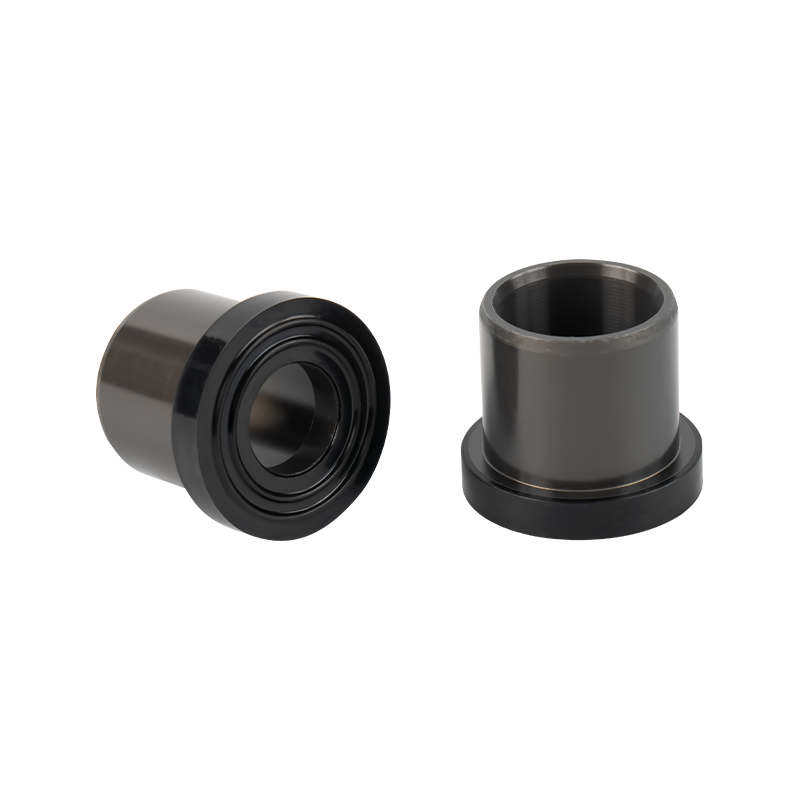
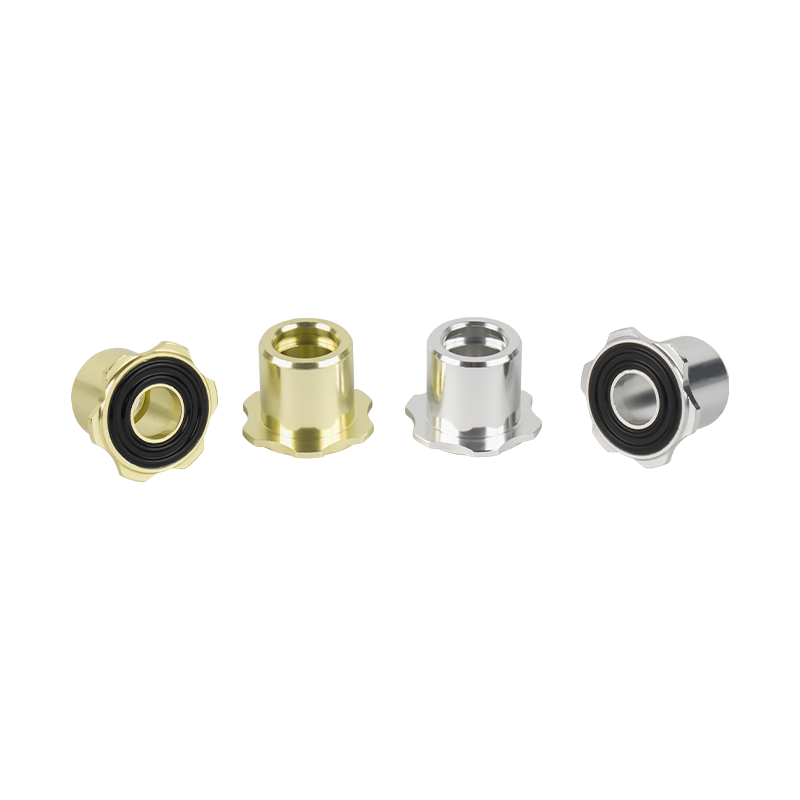
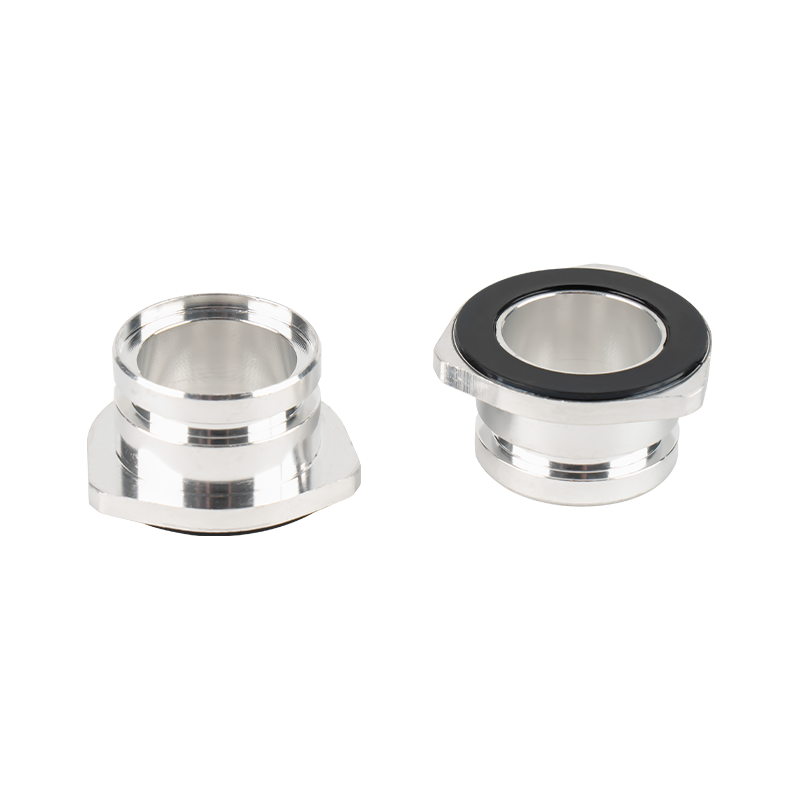
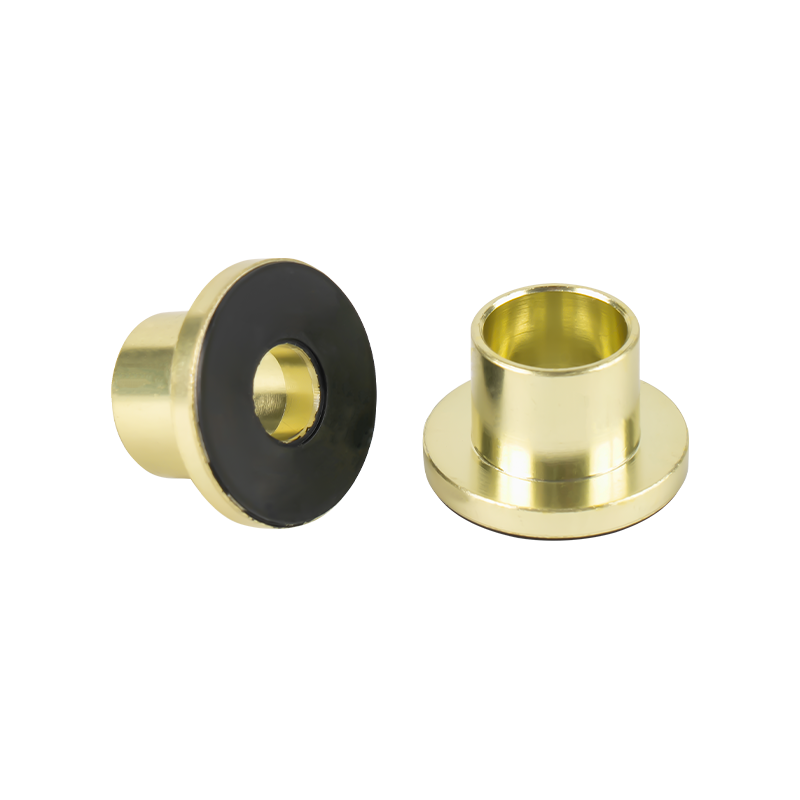
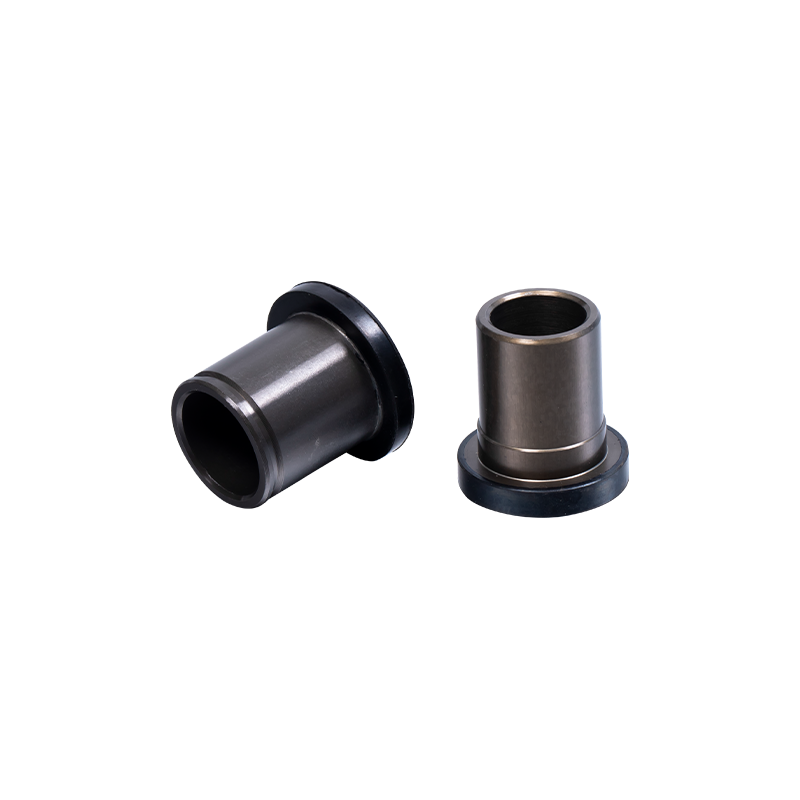
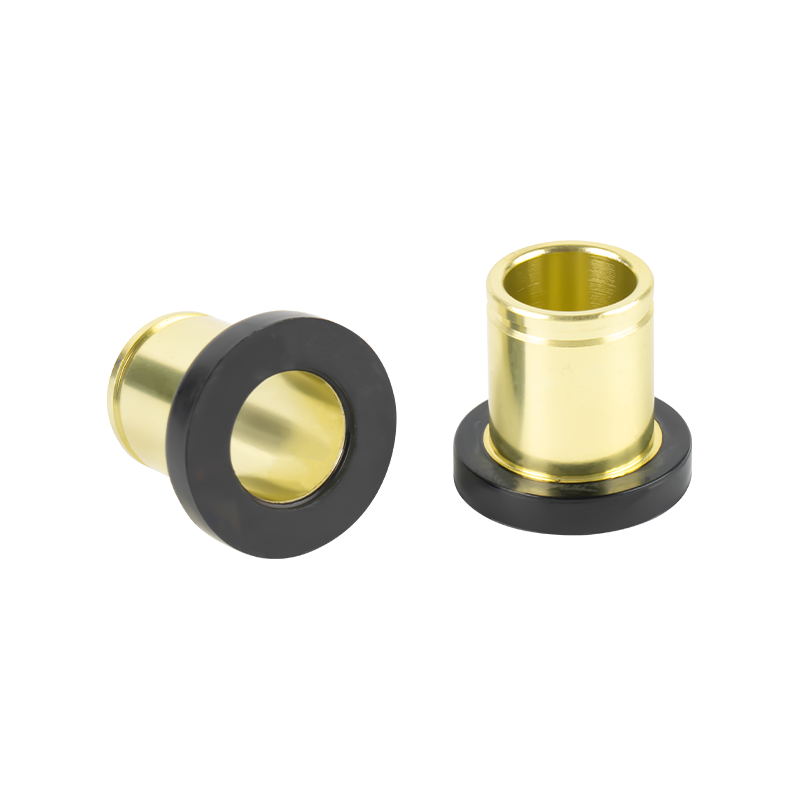
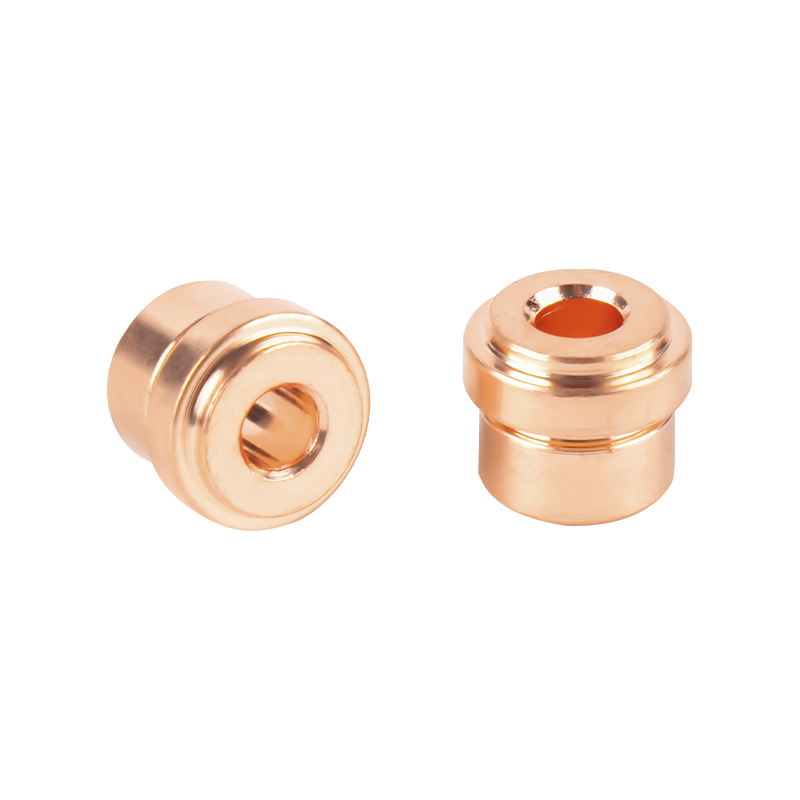 153 Spring SeatThe 153 Spring Seat is a precision-engineered component designed to securely support and position springs in automotive suspension systems. Crafted from high-quality m...View Product →
Guide Wear and the Parts Behind It
A worn guide does more than let oil past the stem. Once the bore opens up, the head tilts, seat contact moves to one edge, the valve runs hotter and the seat erodes. Rebore-and-sleeve is a common repair route: a replaceable sleeve is pressed into the head or housing with roughly 0.02–0.05 mm interference, then honed to the final bore.
Three properties separate a good sleeve from a cheap one: even wall thickness so the press fit is uniform, a bore finish that holds an oil film without passing oil, and a bronze or alloy cast iron material that resists scuffing if lubrication is interrupted.
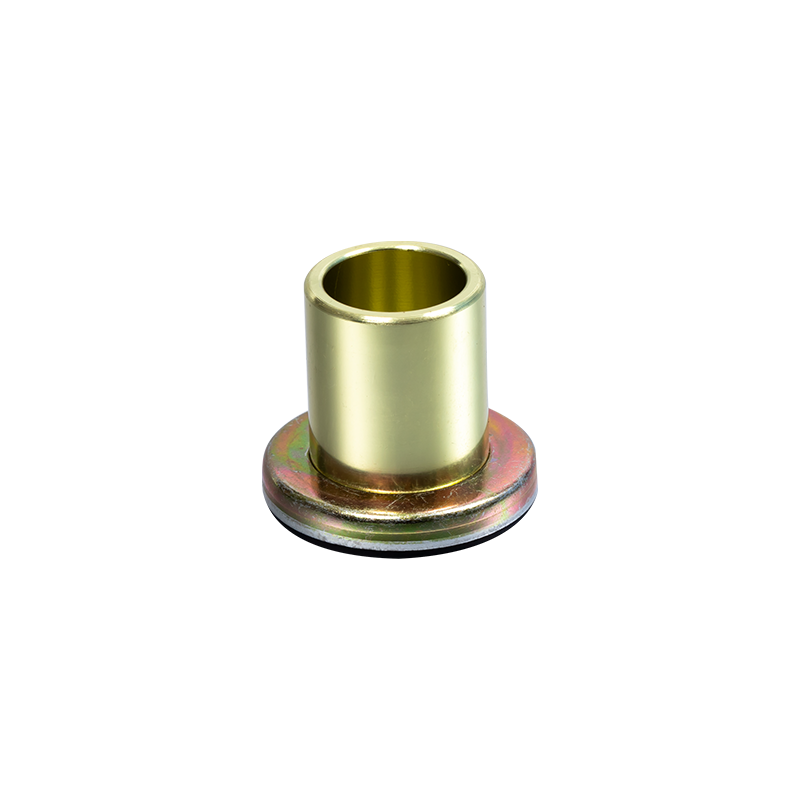
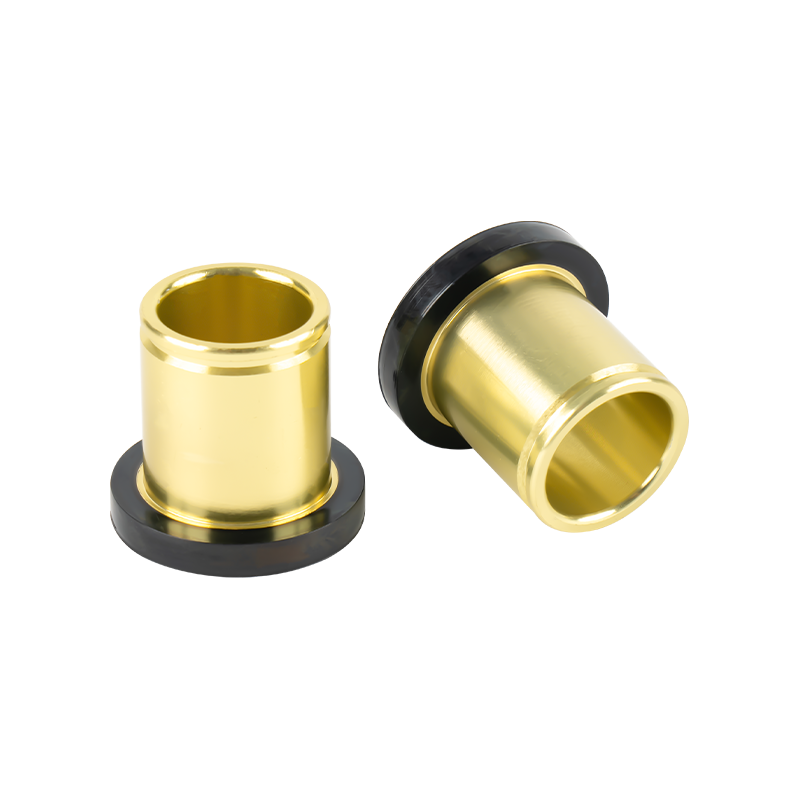
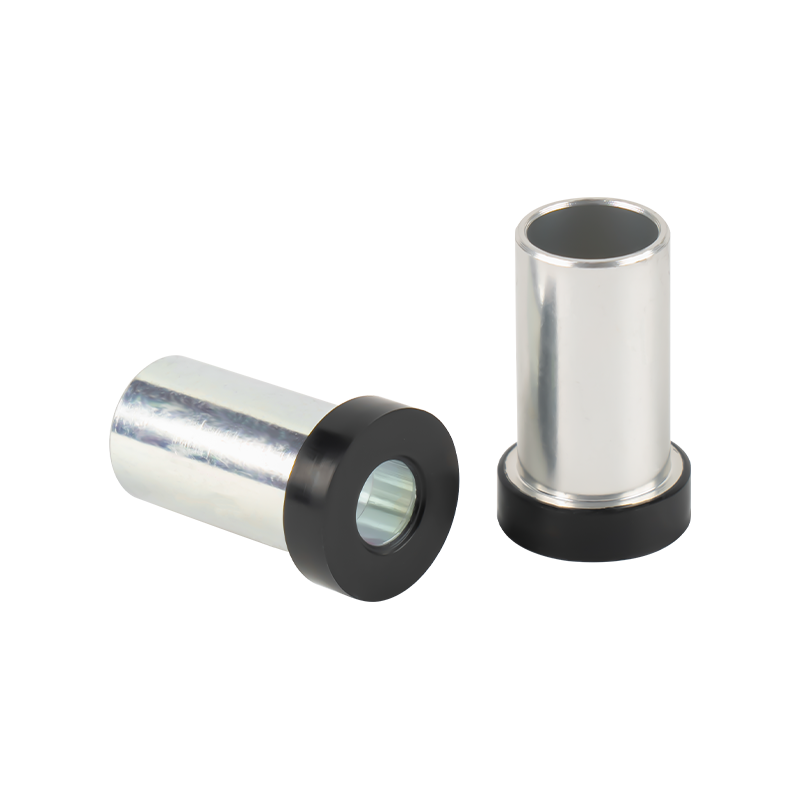
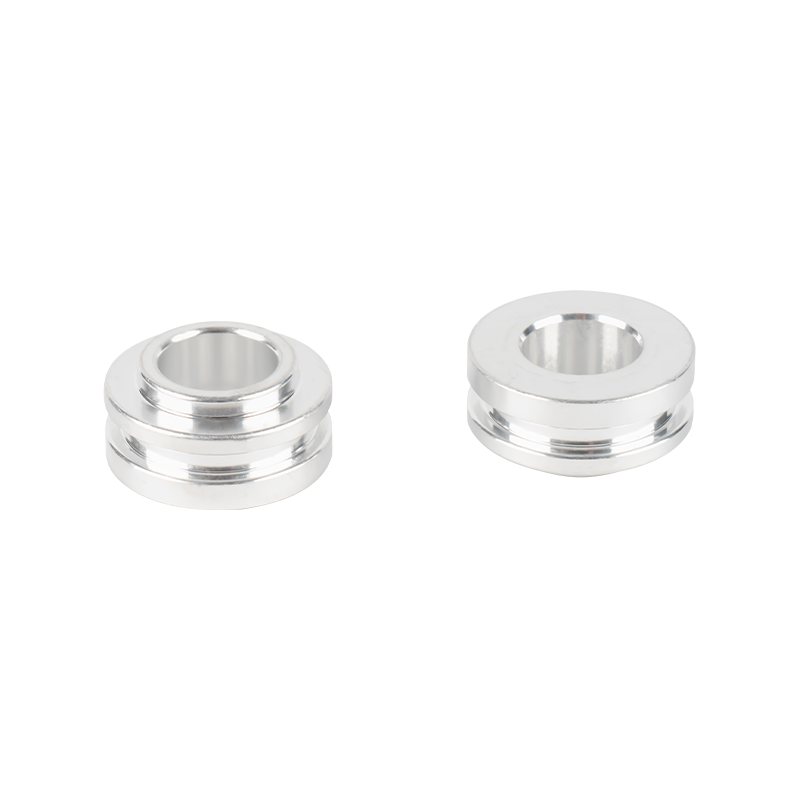 Guide Sleeve AThe Guide Sleeve A is a precision-crafted component designed to provide smooth guidance and support for moving parts in automotive systems. Made from high-strength mat...View Product →
Sleeves cost little against a cylinder head, and they are one of the few valve-train parts where a stock size often fits.
Engine-Adjacent Parts: Actuation and Shut-off
Not every engine-related part in a valve catalogue is a poppet valve. Buyers who search only for intake and exhaust valves often miss the components that make the circuit work. A diesel shut-off cylinder closes the fuel or air path when the key is turned off, a solenoid valve assembly does the same job electrically, a check valve stops a circuit bleeding back, and an automatic drain valve lifts condensate out of a gas line.
The sealing logic is identical to an engine valve. A spring-loaded element seats on a machined face, seat load sets the leak rate, and concentricity decides how long that seal survives. That overlap is why valve and cylinder assemblies that work as the engine's execution units deserve the same attention as the poppet valve itself.
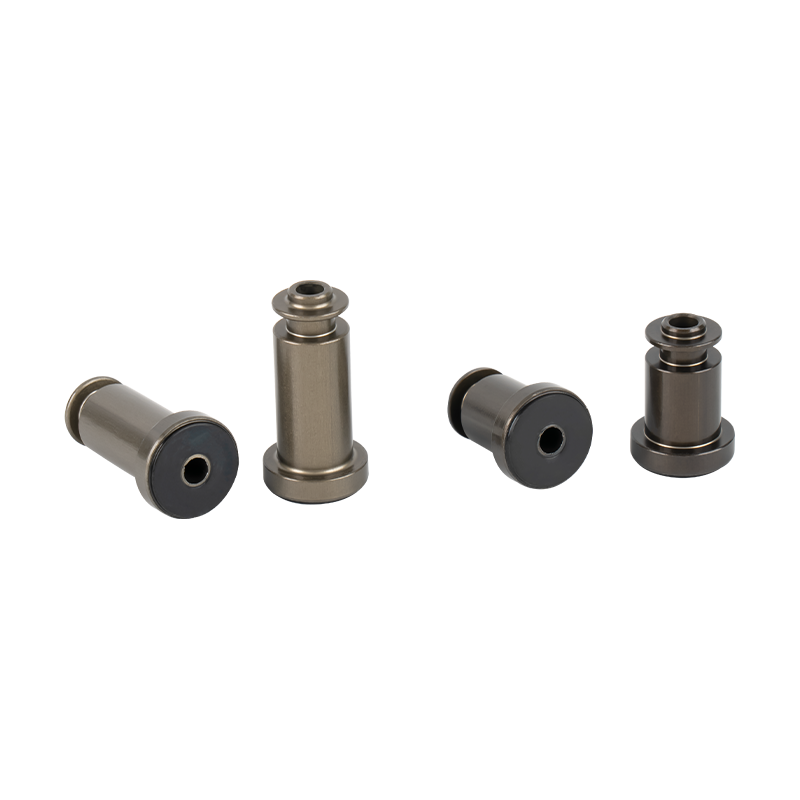
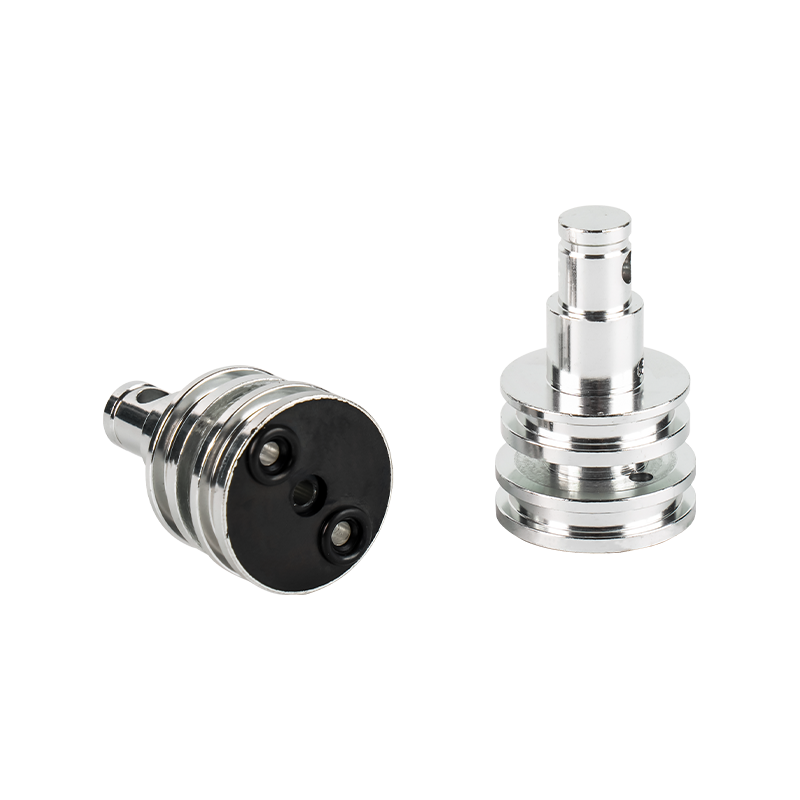
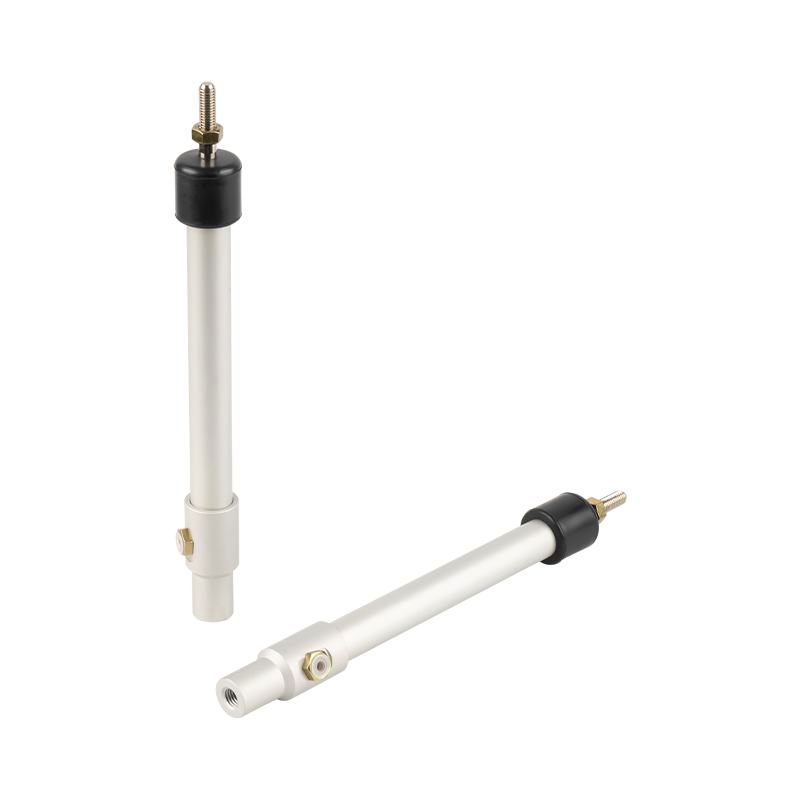 Oil Shutoff CylinderThe Oil Shutoff Cylinder is a key automotive and industrial equipment accessory that is mainly used to control the switch of the oil system to ensure that the oil flow...View Product →
Sourcing Automotive Engine Valve Components: What to Verify
- Material traceability. A mill certificate tied to the heat number, plus hardness results after heat treatment.
- A dimensional report. Face angle to the stated tolerance, stem diameter by grade, overall length and tip height.
- Stem surface finish. A rough stem wears both guide and seal; grinding and polishing belong in the process, not in rework.
- Tip hardness. Too hard and the tip chips, too soft and clearance closes up in service.
- Guide sleeve and spring seat fit. Interference, bore size, flatness and chamfer condition for straightforward assembly.
- Protection and packaging. Rust-preventive treatment and separated packaging, because a corroded stem is scrap before it is fitted.
Ask for the inspection record that covers your batch rather than a generic catalogue sheet, and confirm the tolerance class in writing before the first shipment.
Three numbers decide whether an automotive engine valve survives: seat contact width, guide clearance and installed spring height. Material grade, face angle and coating all support those three. Get them right at the drawing stage and a valve will still be sealing when the odometer passes 500,000 km; get them wrong and no material upgrade will rescue it.
Our machining, valve and cylinder product categories cover the parts around that sealing chain, from guide sleeves and spring seats to shut-off cylinders and solenoid valve assemblies. Send the drawing, the material and the tolerance class, and the quotation comes back against your specification rather than a catalogue description.