

 English
 русский
 中文简体
中文简体How Do You Double Flare a Brake Line? Step-by-Step Guide
2026-07-27
Content
- 1 How Do You Double Flare a Brake Line? The Direct Answer
- 2 Why Brake Lines Require a Double Flare Instead of a Single Flare
- 3 Step-by-Step: How to Double Flare a Brake Line
- 4 Tools and Fittings That Affect Flare Quality
- 5 Common Mistakes That Cause a Failed Double Flare
- 6 How Precision Machining Supports Reliable Brake Line Repairs
- 7 Sourcing Reliable Automotive Machining Parts for Brake System Work
- 8 Frequently Asked Questions About Double Flaring Brake Lines
How Do You Double Flare a Brake Line? The Direct Answer
To double flare a brake line, you cut the tubing square, deburr both edges, slide on the correct fitting nut, clamp the tube in a double flaring tool die at the specified height, use the tool's adapter to fold the tube wall inward and outward twice, then finish the flare with the yoke and forming punch until a smooth, symmetrical bell shape is formed. A properly made double flare creates two layers of steel at the sealing surface instead of one, which is why it is the required flare type for steel brake lines on most passenger vehicles and light trucks, since it resists cracking under the repeated high pressure cycles a hydraulic brake system generates.
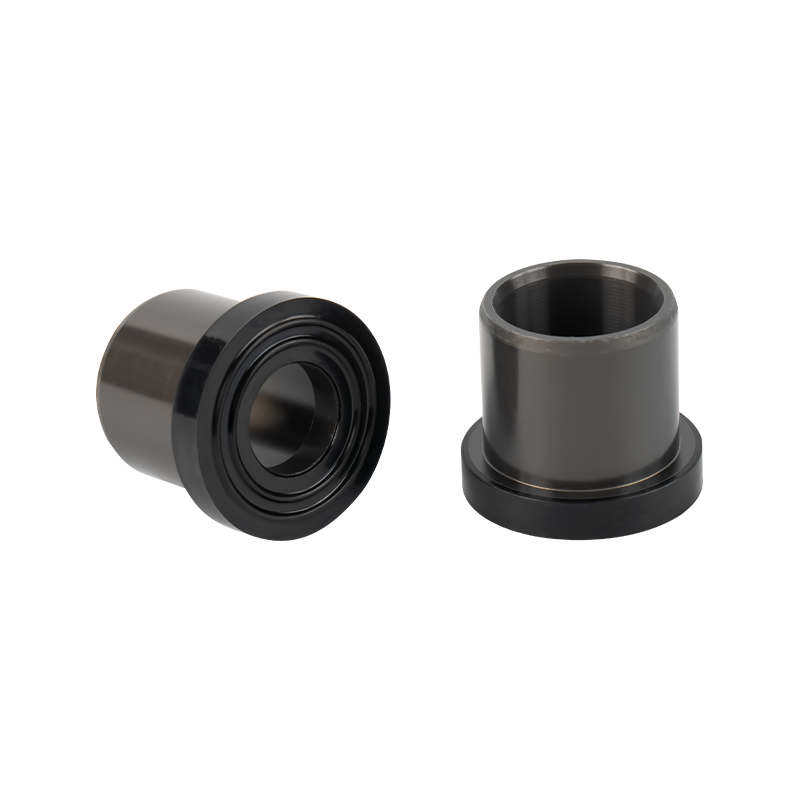
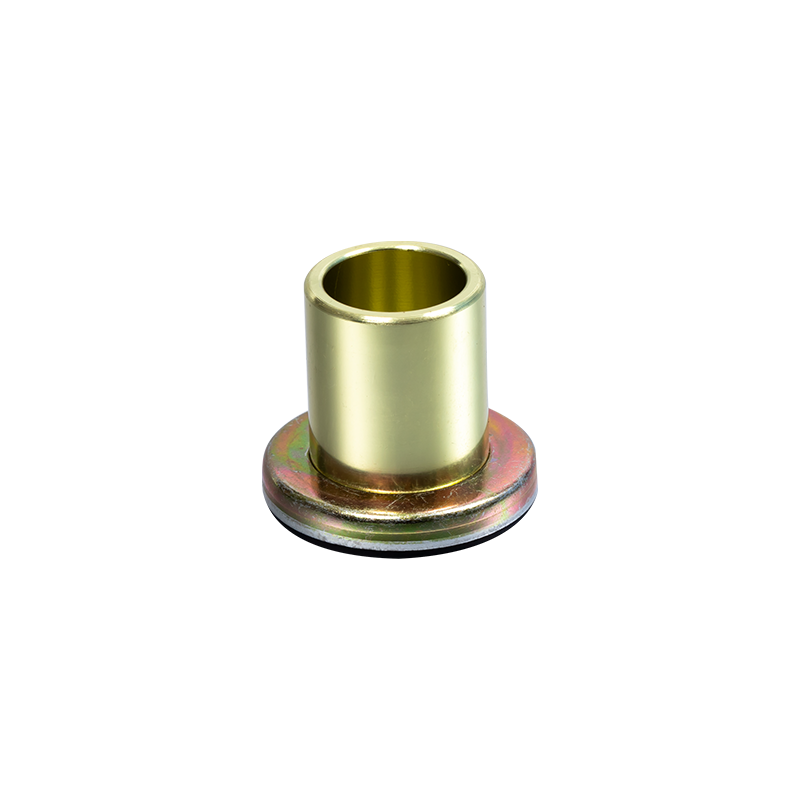
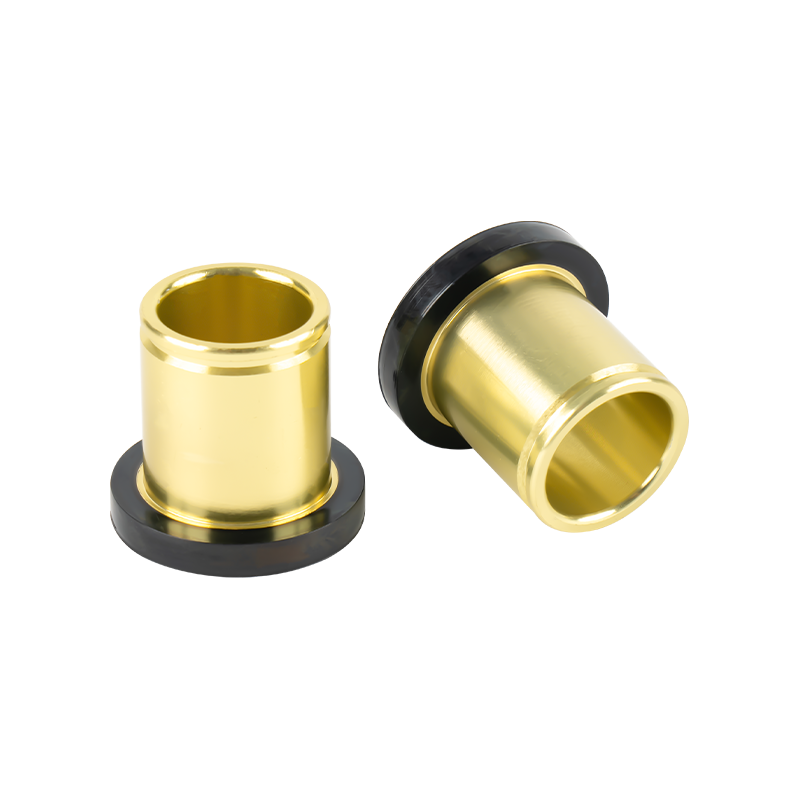
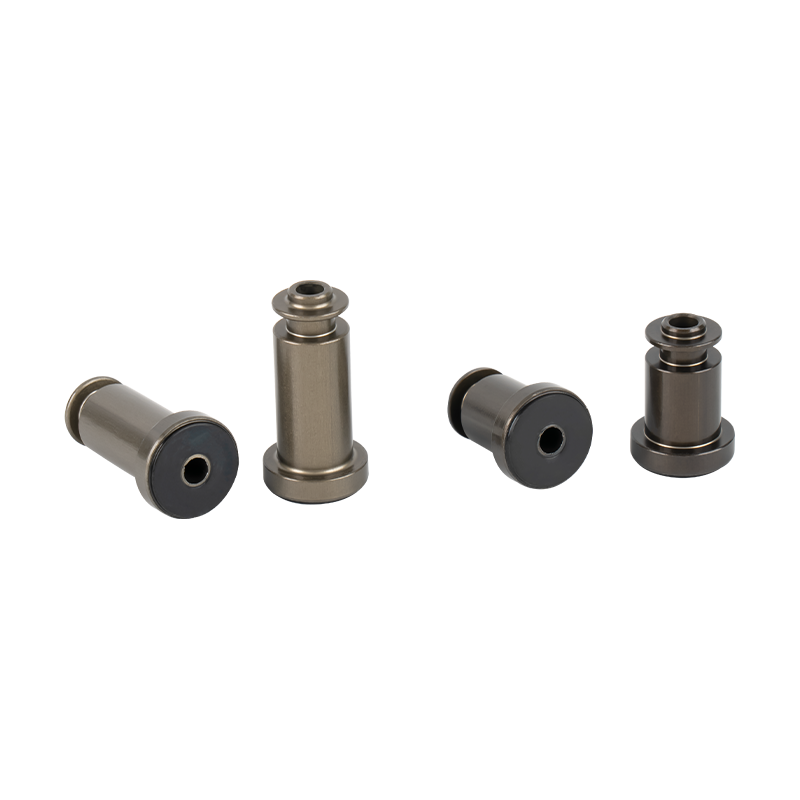
Getting a clean double flare depends as much on the precision of the tooling as it does on technique. A flaring die with worn clamping jaws or an out-of-tolerance forming cone will produce an uneven or off-center flare that leaks under pressure, no matter how carefully the steps are followed. This is where properly machined tooling and fittings matter, and it is one of the reasons brake system technicians and OEM suppliers rely on precision Automotive Machining Parts rather than generic hardware store components when building or repairing hydraulic brake lines. The sections below walk through the full double flaring process, the tools involved, and why component precision has a direct effect on flare quality and brake line safety.
Why Brake Lines Require a Double Flare Instead of a Single Flare
A single flare is formed with one outward fold of the tube wall, creating a cone shape with a single layer of metal at the sealing edge. A double flare folds the tube wall twice, first inward and then outward, producing a rounded, doubled-thickness lip that distributes clamping force more evenly against the fitting seat. Brake systems commonly operate at hydraulic pressures ranging from roughly 800 psi during normal braking to well over 1,000 psi during hard stops, and this cyclical pressure loading is exactly the condition that causes a thin single-flare edge to crack over time.
Where Each Flare Type Is Used
Most vehicle manufacturers specify a 45-degree double flare for steel brake lines and a bubble flare, sometimes called an ISO flare, for certain European and Asian vehicle applications. Single flares are typically limited to low-pressure fuel or transmission cooler lines rather than hydraulic brake circuits. Using the wrong flare type on a brake line is one of the more common causes of comeback leaks in brake line repair work.
Step-by-Step: How to Double Flare a Brake Line
- Cut the steel brake tubing square using a tubing cutter, avoiding a hacksaw, which tends to leave an uneven, oval-shaped edge
- Deburr the inside and outside of the cut edge with a deburring tool so the metal fold is not weakened by rough or jagged edges
- Slide the correct flare nut onto the tube before flaring, since it cannot be added afterward
- Clamp the tube in the flaring bar so it protrudes to the exact height specified for double flares, usually matched to the tube's outer diameter
- Attach the double flare adapter, which folds the tube wall inward against itself to form the doubled lip
- Remove the adapter and use the flaring yoke with the forming cone to press the doubled lip outward into the final 45-degree bell shape
- Inspect the finished flare for a smooth, evenly rounded, and centered shape with no cracks, wrinkles, or off-center bulging
A well-formed double flare should look symmetrical from every angle, with the doubled wall thickness visible as a slightly thicker, rounded rim compared to a single flare. Any visible split or thin spot at the edge means the flare should be cut off and redone rather than installed.
Tools and Fittings That Affect Flare Quality
| Tool | Function | Impact of Poor Tolerance |
|---|---|---|
| Flaring bar and clamping die | Holds tube securely at correct protrusion height | Off-center or uneven flare shape |
| Double flare adapter | Folds tube wall inward before final forming | Incomplete fold, single-layer weak point |
| Forming cone and yoke | Presses final 45-degree bell shape | Cracking, thin walls, poor seal contact |
| Flare nut and fitting seat | Compresses flare against mating seat | Uneven seating, slow leaks under pressure |
Every component listed in the table above depends on precision manufacturing to function correctly, and this is the direct link between flaring quality and machined part tolerances. A flare nut or fitting seat produced with inconsistent thread pitch or an out-of-round sealing cone will never seal reliably, regardless of how well the flare itself is formed. This is precisely why brake system builders and repair shops that handle high volumes of brake line work tend to source flare nuts, unions, and fittings as precision Automotive Machining Parts rather than lower-tolerance mass-market alternatives.
Common Mistakes That Cause a Failed Double Flare
Even experienced technicians occasionally produce a flare that leaks or cracks under road testing. Most failures trace back to one of the following avoidable errors.
- Using a hacksaw instead of a tubing cutter, leaving a rough or angled cut edge
- Skipping the deburring step, which weakens the metal at the exact point it needs to fold cleanly
- Clamping the tube at the wrong protrusion height, resulting in a flare that is too small or too large for the fitting seat
- Over-tightening the forming screw, which can crack or thin the flare wall instead of shaping it evenly
- Reusing a flare nut that has already been compressed against a different flare, since the sealing surface may no longer seat evenly
If a completed flare shows any visible crack, wrinkle, or asymmetry when inspected under good light, the safest practice is to cut it off entirely and start again on fresh tubing rather than attempting to reshape a flawed flare.
How Precision Machining Supports Reliable Brake Line Repairs
Brake line integrity depends on a chain of precisely dimensioned parts working together, from the flare itself to the fitting threads, the union body, and the valve or cylinder assembly the line eventually connects to. In high-volume production and professional repair environments, these components are produced as precision Automotive Machining Parts, machined to tight tolerances on CNC lathes and milling equipment to ensure consistent thread engagement, sealing surface roundness, and material strength across every unit produced.
Why Tolerance Consistency Matters at Scale
A single out-of-tolerance batch of fittings can introduce a systemic leak risk across an entire production run or repair fleet, which is why reputable manufacturers of brake system hardware maintain strict dimensional inspection throughout the machining process rather than relying only on final visual checks. Consistent tolerances also make it easier for technicians to trust that a properly formed double flare will seat correctly against the fitting every time, without needing to individually test-fit each connection.
Sourcing Reliable Automotive Machining Parts for Brake System Work
Yuyao Zhedong Automotive Parts Factory Co., Ltd., based in the Yuyao Economic Development Zone, Zhejiang Province, China, manufactures a range of components for hydraulic and pneumatic brake systems, including pneumatic brake valves, automobile valve cylinder assemblies, and precision Automotive Machining Parts used throughout brake and fluid line assemblies. Sourcing brake-related fittings, unions, and valve components from a supplier with dedicated machining capability helps ensure that thread pitch, sealing cone geometry, and material specification remain consistent across every batch, which is a meaningful factor in preventing flare-related leaks after installation.
When evaluating a supplier of machined brake system hardware, the following factors are worth confirming before ordering.
- Documented dimensional tolerance for fitting threads and sealing cones
- Material specification appropriate for hydraulic brake pressure, typically steel or brass alloys rated for the application
- Batch consistency across repeat orders, especially for high-volume repair or OEM supply programs
- Compatibility with common double flare and bubble flare fitting standards
Reliable Automotive Machining Parts reduce the number of variables a technician has to account for when forming and installing a double flare, letting the flaring technique itself be the deciding factor in a clean, leak-free connection.
Frequently Asked Questions About Double Flaring Brake Lines
What size die do I need to double flare a brake line?
The die size must match the outer diameter of the brake tubing, most commonly 3/16 inch, 1/4 inch, or 5/16 inch on passenger vehicles. Using a mismatched die size is one of the most common reasons a flare comes out too small or oversized for the fitting.
Can a single flare be used on a brake line in an emergency?
A single flare is not recommended for hydraulic brake lines even as a temporary fix, since the thinner single-layer edge is significantly more prone to cracking under the repeated pressure cycles brake systems generate. It is safer to complete a proper double flare or replace the section with a pre-flared line.
Why does my double flare keep coming out off-center?
An off-center flare is usually caused by the tube not being clamped perfectly straight in the flaring bar, or by a worn forming cone that no longer applies even pressure. Checking that the tube sits flush and square before forming, and inspecting the tool for wear, resolves most centering issues.