

 English
 русский
 中文简体
中文简体What Are the Parts of a Cylinder Valve? Pneumatic Brake Valve Guide
2026-07-20
Content
- 1 What Are the Parts of a Cylinder Valve? The Direct Answer
- 2 The Valve Body and Valve Seat
- 3 The Valve Core, Spring, and Sealing Components
- 4 Cylinder Valve Parts at a Glance
- 5 How These Parts Work Together Inside a Pneumatic Brake Valve
- 6 What to Check When Selecting a Replacement Valve
- 7 Sourcing a Reliable Pneumatic Brake Valve
What Are the Parts of a Cylinder Valve? The Direct Answer
A cylinder valve, such as the type used inside a pneumatic brake valve assembly, is built from six core parts: the valve body, the valve seat, the valve core (spool or piston), the return spring, the sealing components (O-rings, diaphragms, or gaskets), and the air ports and connections that route compressed air in and out. Together, these parts control the direction, timing, and pressure of airflow inside a pneumatic circuit, which is exactly the function a brake valve depends on to apply and release braking force reliably.
Every one of these components has a direct effect on how consistently the valve seals, how fast it responds, and how long it lasts under repeated cycling — which is why understanding each part individually matters more than treating the valve as a single black box.
The Valve Body and Valve Seat
Valve Body
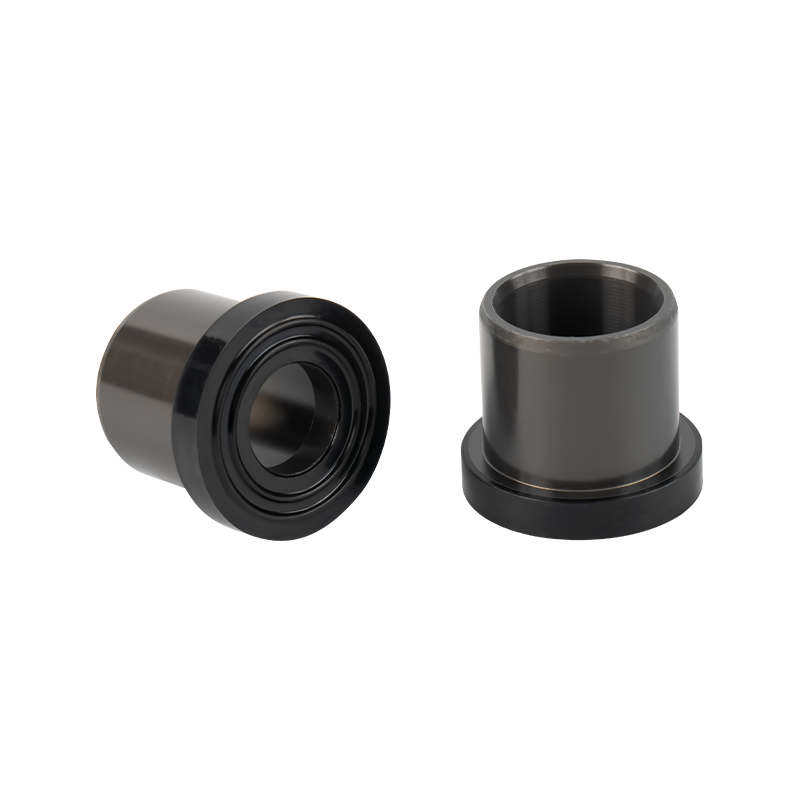
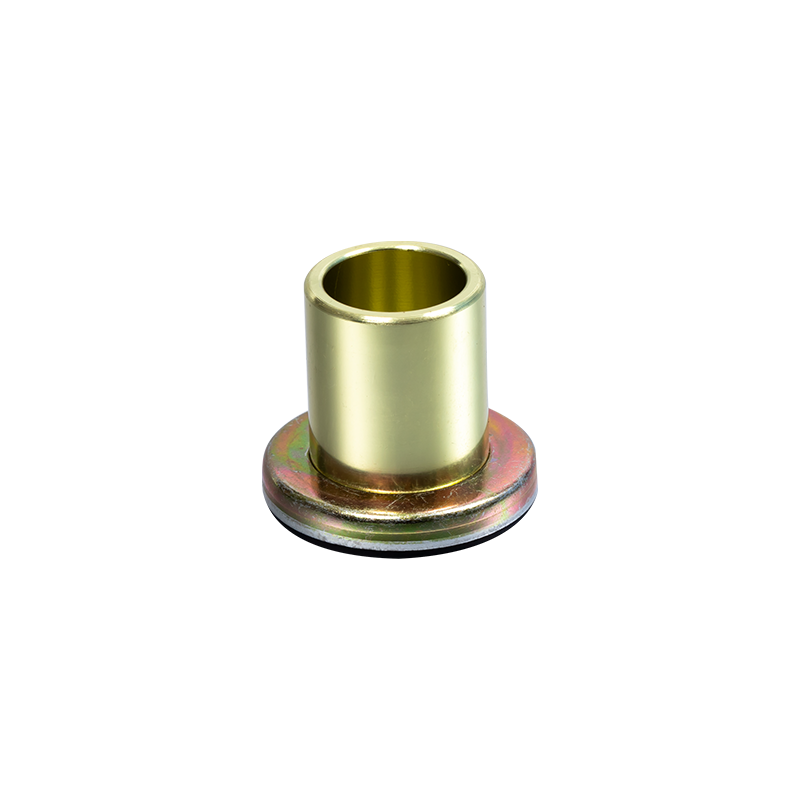
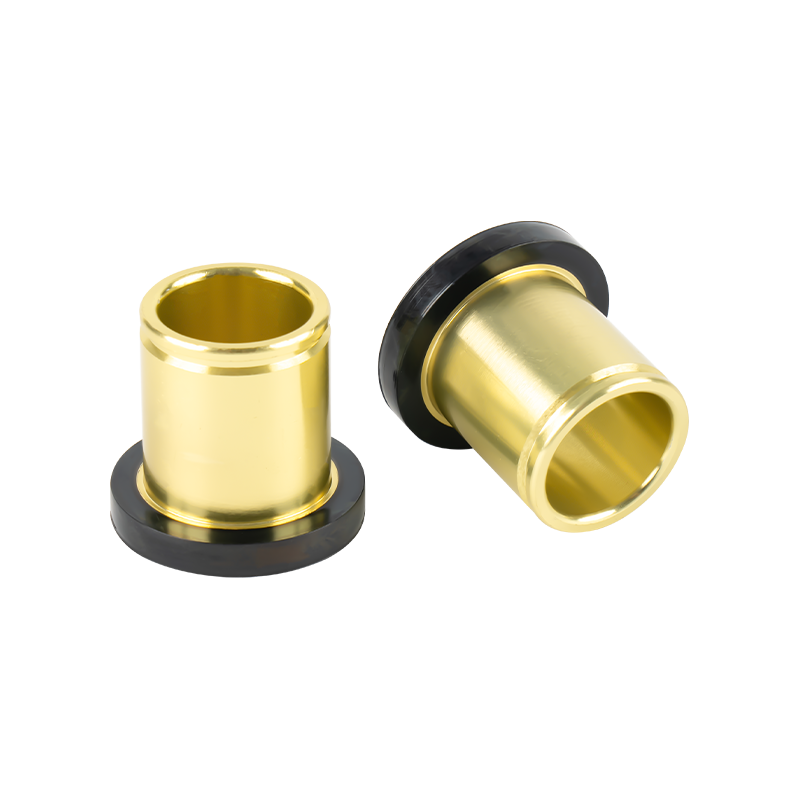
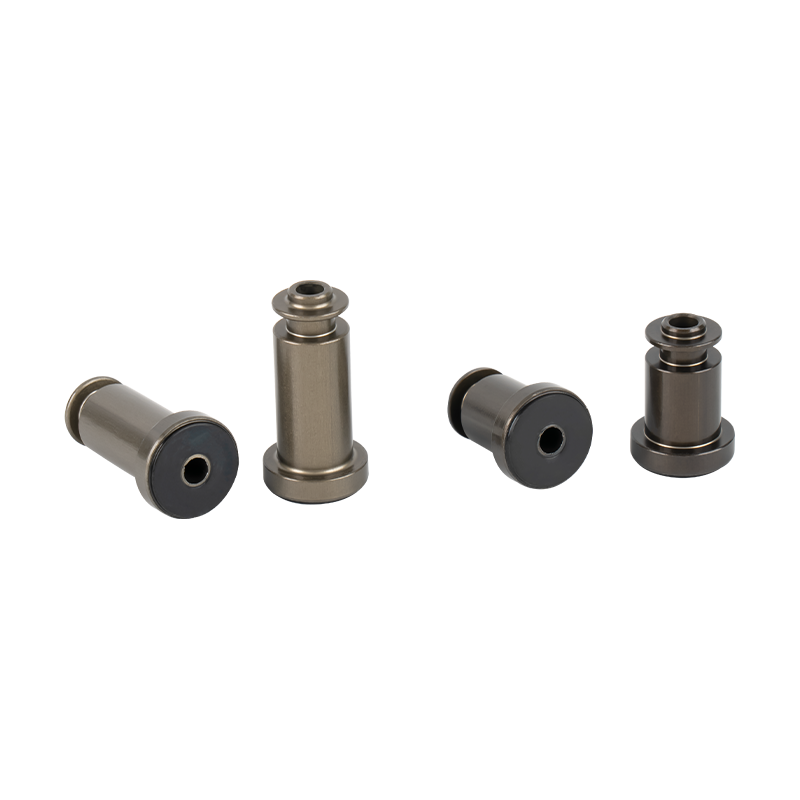
The valve body is the outer housing that contains all internal parts and provides the machined bore the valve core moves inside. In a pneumatic brake valve, this body is typically made from high-strength alloy or corrosion-resistant material, since it must withstand repeated pressure cycles without deforming or developing internal leak paths over years of service.
Valve Seat
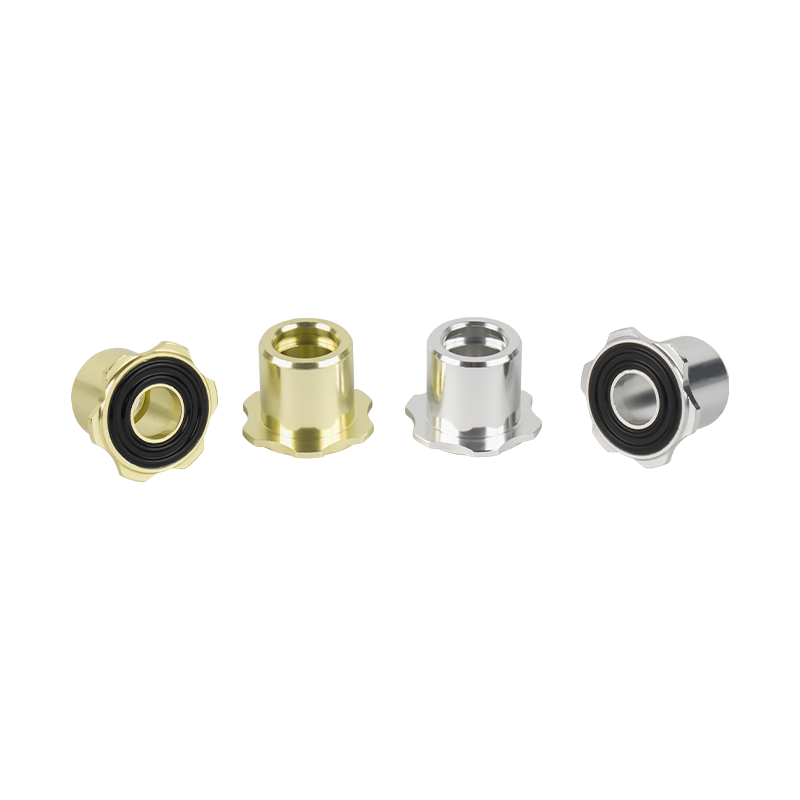
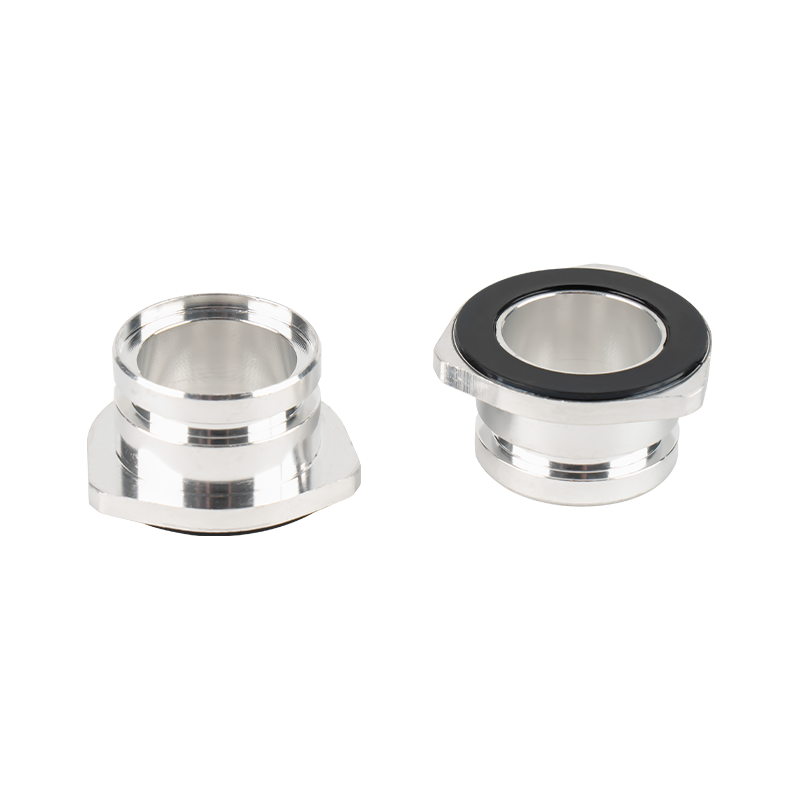
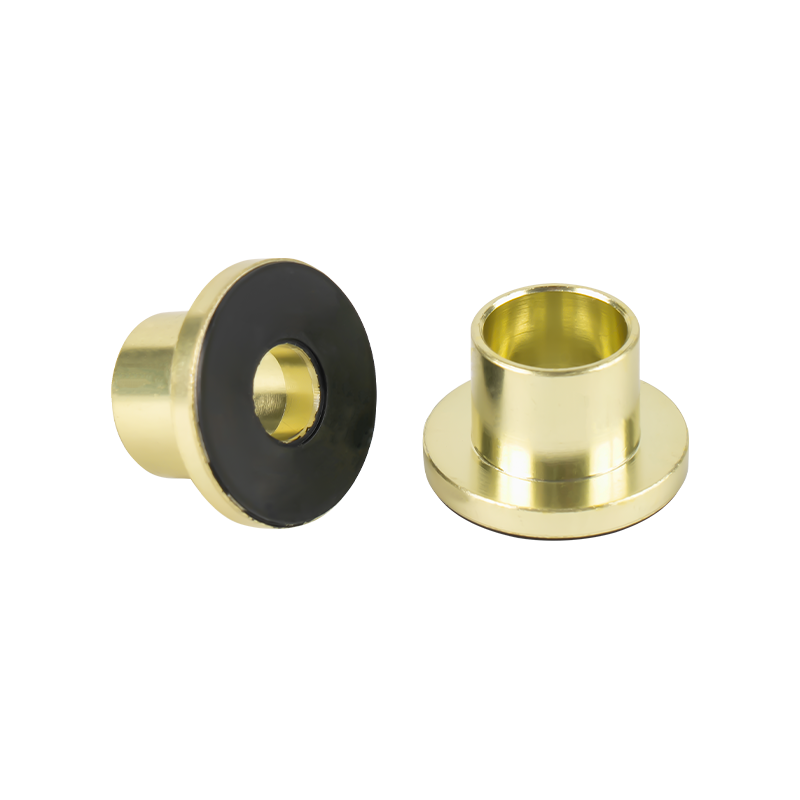
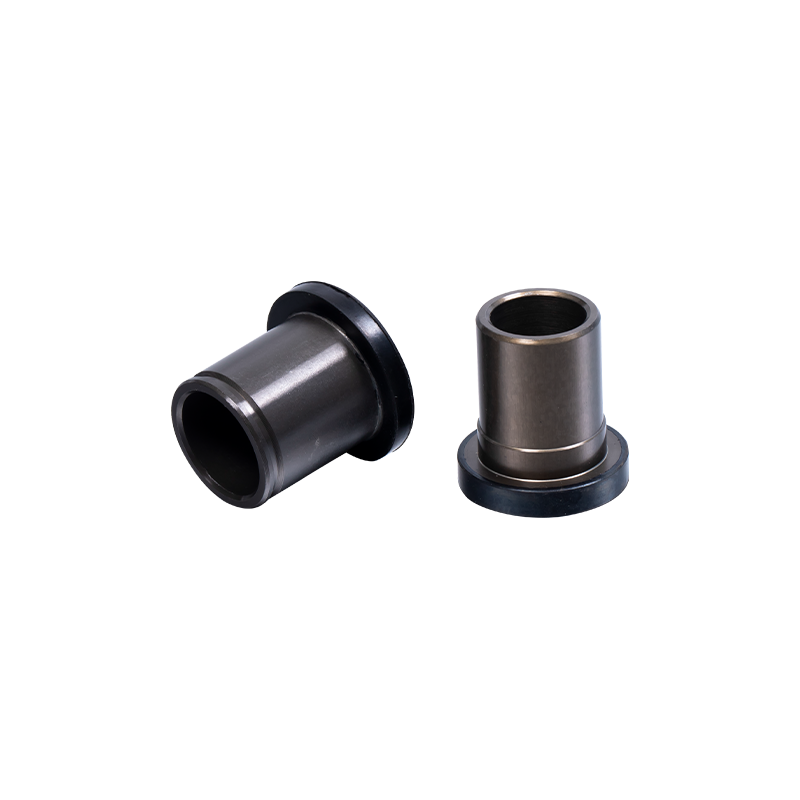
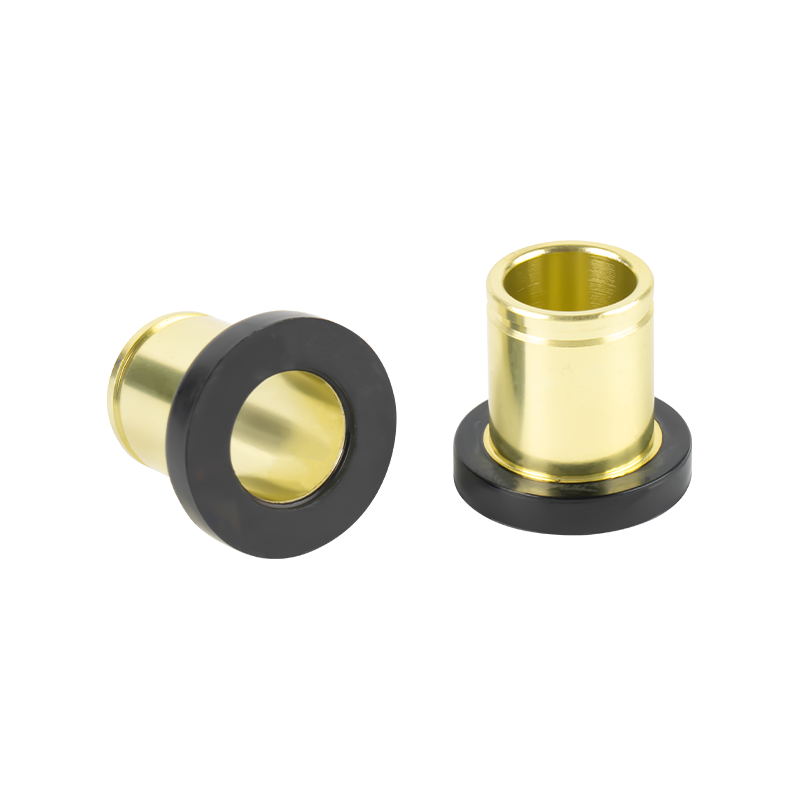
The valve seat is the precision-machined surface the valve core presses against to block or open the airflow path. Even small dimensional deviations at the seating face can cause slow air leaks, which in a braking application translates directly into inconsistent brake response — this is why seat manufacturing tolerances are held extremely tight in reputable production facilities.
The Valve Core, Spring, and Sealing Components
Valve Core (Spool or Piston)
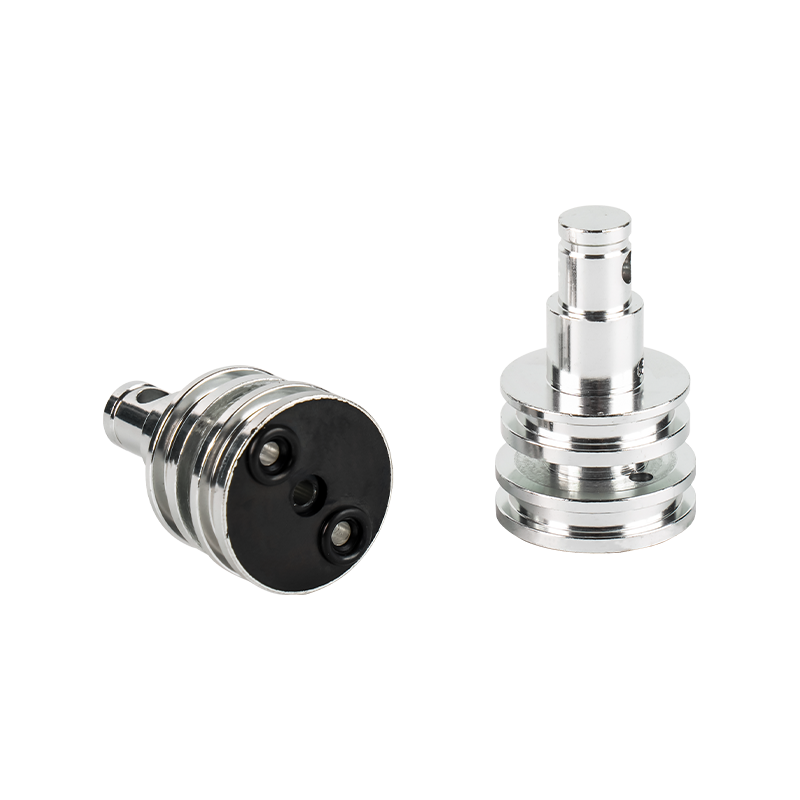
The valve core is the moving element that shifts position inside the bore to open, close, or redirect the air path. Depending on the design, this may be a sliding spool, a poppet-style plunger, or a piston connected to a diaphragm. Its precise fit against the valve seat is what determines whether the valve holds pressure without creeping air past the seal.
Return Spring
The return spring pushes the valve core back to its default position once the actuating force — air pressure from the driver's pedal input, for example — is removed. Spring rate and fatigue resistance directly affect response time; a weakened spring slows down brake release and can cause the valve to hang partially open.
Seals, O-Rings, and Diaphragms
These flexible components prevent air from escaping around the moving parts of the valve. In a pneumatic brake valve, seal material must resist heat, oil contamination, and thousands of compression cycles without losing elasticity, since a hardened or cracked seal is one of the most common causes of a slow air leak.
Cylinder Valve Parts at a Glance
| Part | Primary Function | Common Failure Sign |
|---|---|---|
| Valve Body | Houses internal components, guides core movement | Cracking, corrosion, bore wear |
| Valve Seat | Provides sealing surface for the valve core | Slow air leak, uneven sealing |
| Valve Core | Opens, closes, or redirects airflow | Sticking, delayed response |
| Return Spring | Resets the core to default position | Slow release, valve hanging open |
| Seals / O-Rings | Prevents air escaping around moving parts | Hardening, cracking, air hiss |
| Air Ports | Connects the valve to the wider air circuit | Loose fittings, thread damage |
How These Parts Work Together Inside a Pneumatic Brake Valve
A pneumatic brake valve uses this same cylinder valve structure to regulate air pressure across an entire braking cycle:
- Air enters through the inlet port and reaches the valve core, which is held closed by the return spring under normal conditions
- When actuating pressure is applied, the valve core shifts off the seat, opening a path for compressed air to flow toward the brake cylinder
- Seals around the core and body prevent that pressurized air from bypassing the intended path, ensuring the full force reaches the brake actuator
- Once actuating pressure is released, the spring pushes the core back against the seat, cutting off supply and allowing the system to vent and reset
What to Check When Selecting a Replacement Valve
Because every part above affects sealing and response time, a replacement cylinder valve or pneumatic brake valve should be evaluated against this checklist:
- Confirm the valve seat material and machining tolerance match OE specifications to avoid slow leaks
- Check that seal and O-ring material is rated for the expected temperature range and exposure to oil or moisture
- Verify the spring rate is correct for the intended response time, since an incorrect spring changes how quickly the valve resets
- Confirm port thread size and connection type match the existing air circuit before installation
Sourcing a Reliable Pneumatic Brake Valve
Yuyao Zhedong Automotive Parts Factory Co., Ltd., operating under the ZEAST brand, manufactures a dedicated Pneumatic Brake Valve product line built from high-strength alloy and corrosion-resistant materials designed to withstand high-frequency operation and complex working conditions. The company holds ISO9001 quality system certification and reports an annual production capacity of several million valve seat sets, reflecting the scale of precision manufacturing needed to hold tight tolerances across every production batch.
Buyers matching a replacement valve to a specific brake system can review the full Pneumatic Brake Valve range to compare valve seat design, sealing material, and connection type before requesting a quote.