

 English
 русский
 中文简体
中文简体How to Bleed Air Out of Brakes: Step-by-Step Guide
2026-07-13
Content
- 1 The Direct Answer: How to Bleed Air Out of Brakes
- 2 Why Air in the Brake System Causes Problems
- 3 Signs You Need to Bleed the Brakes
- 4 Tools and Materials Needed
- 5 Step-by-Step: Manual Two-Person Bleeding Method
- 6 Correct Bleeding Order Matters
- 7 Alternative Bleeding Methods
- 8 Bleeding Air Brake Systems: What's Different
- 9 Common Mistakes That Undo a Bleed
- 10 When to Call a Professional
- 11 About Yuyao Zhedong Automotive Parts Factory Co., Ltd.
The Direct Answer: How to Bleed Air Out of Brakes
To bleed air out of brakes, you open each brake bleeder screw in the correct sequence—starting with the wheel farthest from the master cylinder—while someone presses the pedal to push trapped air out through the line, then close the screw before the pedal is released. This restores a firm, responsive pedal by removing compressible air bubbles from what should be a solid column of brake fluid. On commercial vehicles with air brake systems, the equivalent task is draining moisture and condensation from the air tanks and confirming that the pneumatic brake valve is building and releasing pressure correctly, since trapped air or moisture in an air brake circuit affects response the same way air bubbles affect a hydraulic line. The full process for both systems is explained step by step below.
Why Air in the Brake System Causes Problems
Brake fluid is nearly incompressible, which is what allows a small amount of pedal travel to generate strong clamping force at the caliper or wheel cylinder. Air, on the other hand, compresses easily. When even a small air pocket enters the line—through a fluid change, a loose fitting, or a low reservoir—part of the pedal force is wasted compressing that bubble instead of moving fluid. The result is a pedal that feels soft, spongy, or sinks toward the floor under steady pressure. In pneumatic air brake systems used on heavy trucks and trailers, the concern is slightly different: compressed air itself is the working medium, but moisture condensing inside the air tanks can freeze in cold weather, corrode the pneumatic brake valve internally, and cause slow or inconsistent brake application if not drained regularly.
Signs You Need to Bleed the Brakes
- The brake pedal feels spongy or needs to be pumped before it firms up
- The pedal sinks slowly to the floor under steady, constant pressure
- Braking feels noticeably weaker after a fluid change, caliper replacement, or brake line repair
- A hissing or delayed response is noticed from the pneumatic brake valve on an air brake system
- Visible moisture or oily residue drains from the air tank petcock on a commercial vehicle
Any one of these symptoms is a reasonable trigger to bleed the system, and a spongy pedal that appears right after brake service almost always means air entered the line during the repair.
Tools and Materials Needed
| Item | Purpose |
|---|---|
| Correct-size wrench or bleeder key | Opens and closes the bleeder screw without rounding it off |
| Clear plastic hose | Directs fluid into a container and lets you see air bubbles exit |
| Catch container | Collects old fluid safely |
| Fresh brake fluid (correct DOT rating) | Replaces fluid drawn out and tops off the reservoir |
| A second person or one-man bleeder valve | Presses the pedal while the bleeder screw is opened |
Step-by-Step: Manual Two-Person Bleeding Method
This is the most reliable and widely used method for passenger vehicles and light trucks with hydraulic brakes:
- Top off the brake fluid reservoir and keep it above the minimum line throughout the process.
- Locate the bleeder screw on the wheel farthest from the master cylinder and fit the wrench and hose over it.
- Have a helper slowly press the brake pedal down and hold it.
- Open the bleeder screw about a quarter turn; fluid and any trapped air will flow out through the hose.
- Close the bleeder screw before the helper releases the pedal, then have them release it fully.
- Repeat steps 3–5 at that wheel until the fluid runs clear with no visible bubbles.
- Move to the next wheel in the correct bleeding order and repeat, checking the reservoir level between wheels.
Skipping the reservoir check is one of the most common mistakes: if the reservoir runs dry mid-process, new air is drawn straight back into the line and the whole sequence has to start over.
Correct Bleeding Order Matters
Bleeding the wheels in the wrong order can leave air trapped in a line further from the master cylinder. The standard rule is to bleed the wheel with the longest fluid path first:
| Order | Wheel Position |
|---|---|
| 1 | Right rear |
| 2 | Left front |
| 3 | Left rear |
| 4 | Right front |
Always check the vehicle's specific service manual, since some braking systems use a front-to-rear split rather than a diagonal split, which changes the correct sequence.
Alternative Bleeding Methods
| Method | How It Works | Best For |
|---|---|---|
| Manual two-person | Pedal pressure pushes fluid and air out | Most passenger and light commercial vehicles |
| Pressure bleeding | A pressurized tank forces fluid through the system from the reservoir side | Solo work, faster shop turnaround |
| Vacuum bleeding | A hand pump draws fluid and air out at the bleeder screw | One-person jobs without a helper |
| Gravity bleeding | Fluid drains slowly by gravity alone with the screw cracked open | Simple top-ups with minimal air present |
Bleeding Air Brake Systems: What's Different
Heavy trucks, buses, and trailers generally use compressed-air brake systems rather than hydraulic fluid, so the term "bleeding" refers to a different but related task: draining accumulated moisture and oil residue from the air tanks. Compressed air always carries some water vapor, and this condenses inside the tanks as the air cools. If left unaddressed, that moisture can freeze the pneumatic brake valve in cold weather or corrode internal seals over time, leading to slow brake application, air leaks, or an inconsistent pedal-equivalent feel at the treadle valve.
- Open the drain petcock at the bottom of each air tank until air runs clear with no water or oil
- Drain tanks daily in cold or humid climates, and at minimum weekly in dry conditions
- Check that the air dryer and governor are cycling correctly, since a failing air dryer increases moisture load on the entire system
- Watch the pneumatic brake valve and relay valve response for delayed or uneven application, which can indicate internal moisture or wear
Unlike hydraulic bleeding, air brake systems are largely self-purging through daily draining rather than a one-time bleed procedure, but the underlying goal is the same: keep the system free of anything that interferes with a fast, consistent, and predictable braking response.
Common Mistakes That Undo a Bleed
- Letting the fluid reservoir run empty during the process, which draws air straight back into the line
- Bleeding the wheels in the wrong order, leaving trapped air in a distant line
- Reusing old, dark, or moisture-contaminated fluid instead of fresh fluid of the correct rating
- Over-tightening the bleeder screw, which can shear it or damage the seat
- Skipping regular air tank draining on commercial vehicles, allowing moisture to build up gradually inside the pneumatic brake valve and lines
When to Call a Professional
A pedal that remains spongy after a full, correctly sequenced bleed often points to a problem beyond trapped air, such as a failing master cylinder, a worn caliper seal, or a leaking wheel cylinder. On commercial vehicles, persistent slow brake application even after tanks are properly drained can indicate an internal fault in the pneumatic brake valve, relay valve, or air dryer that requires diagnostic testing rather than routine maintenance. In either case, brakes are not a component to guess on, and a qualified technician should inspect the system if the pedal or treadle response does not return to normal after standard bleeding.
About Yuyao Zhedong Automotive Parts Factory Co., Ltd.
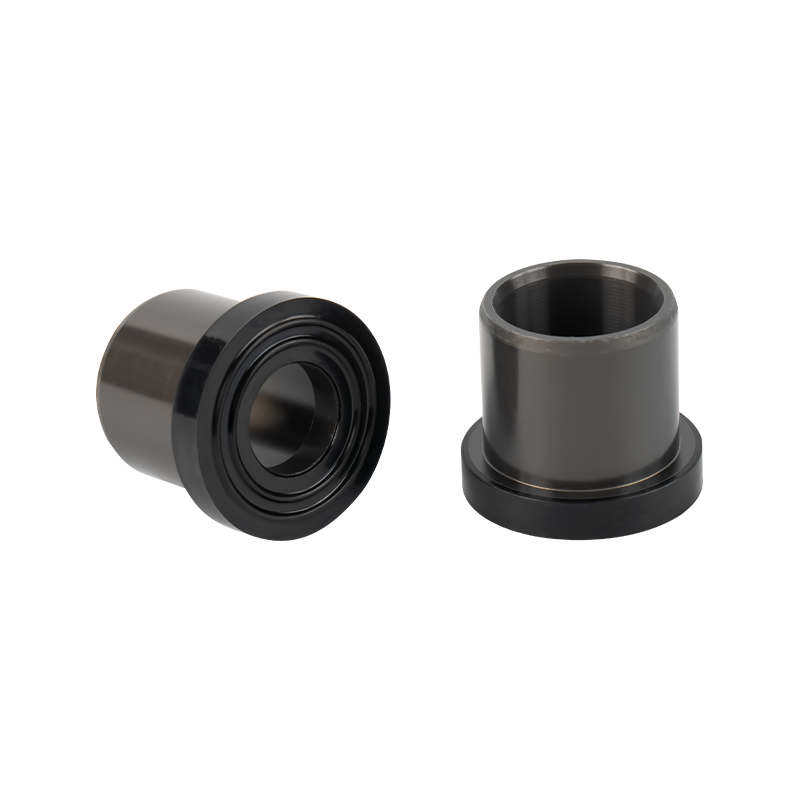
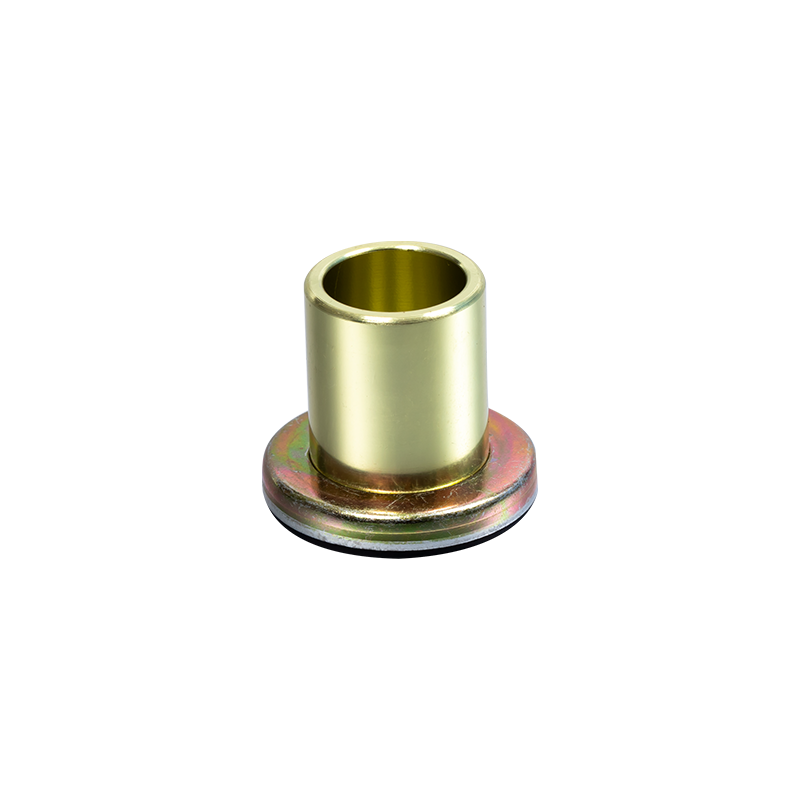
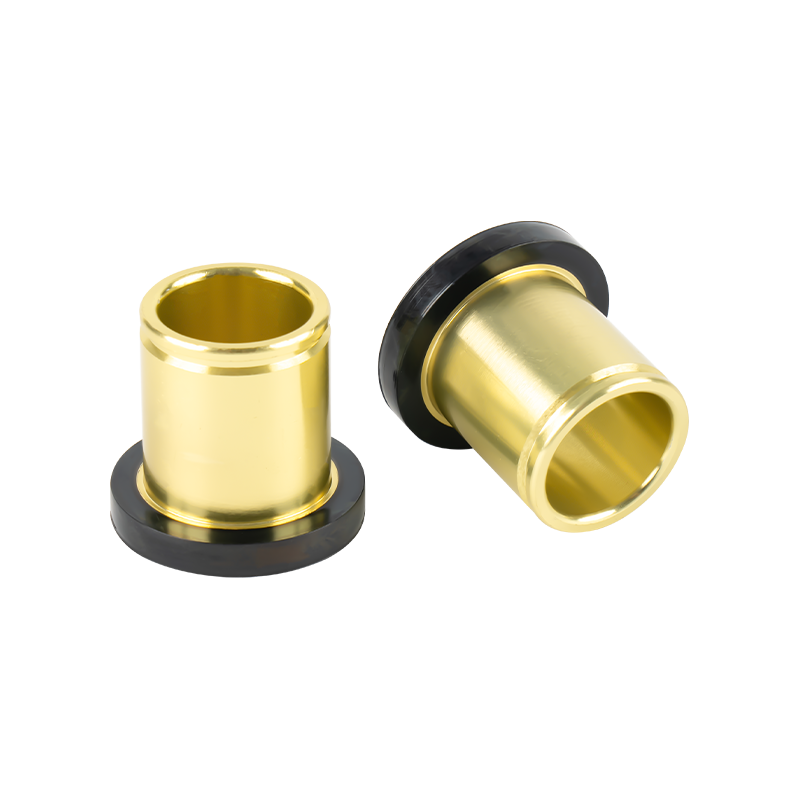
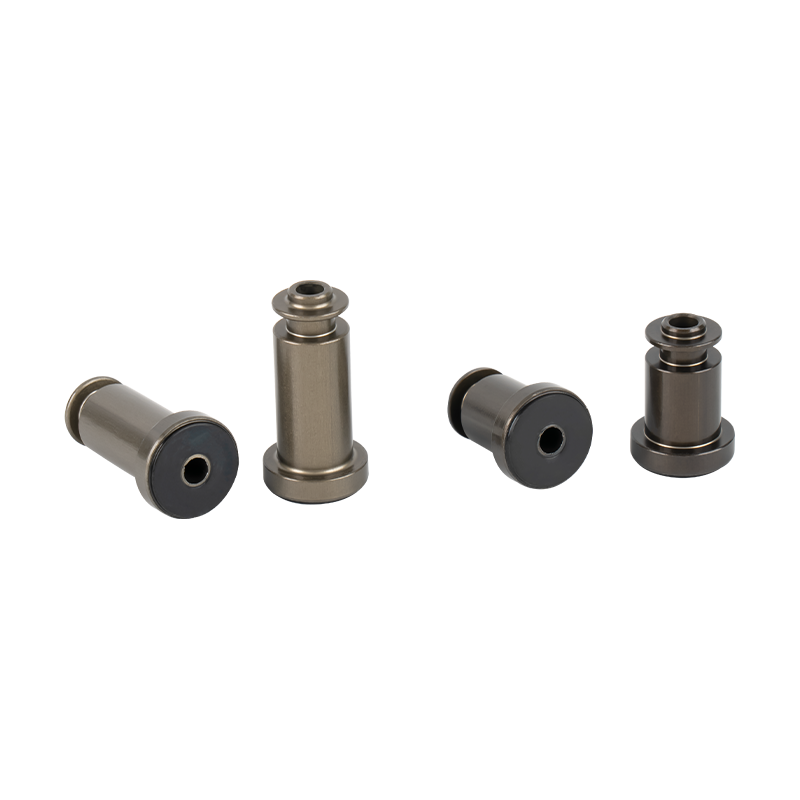
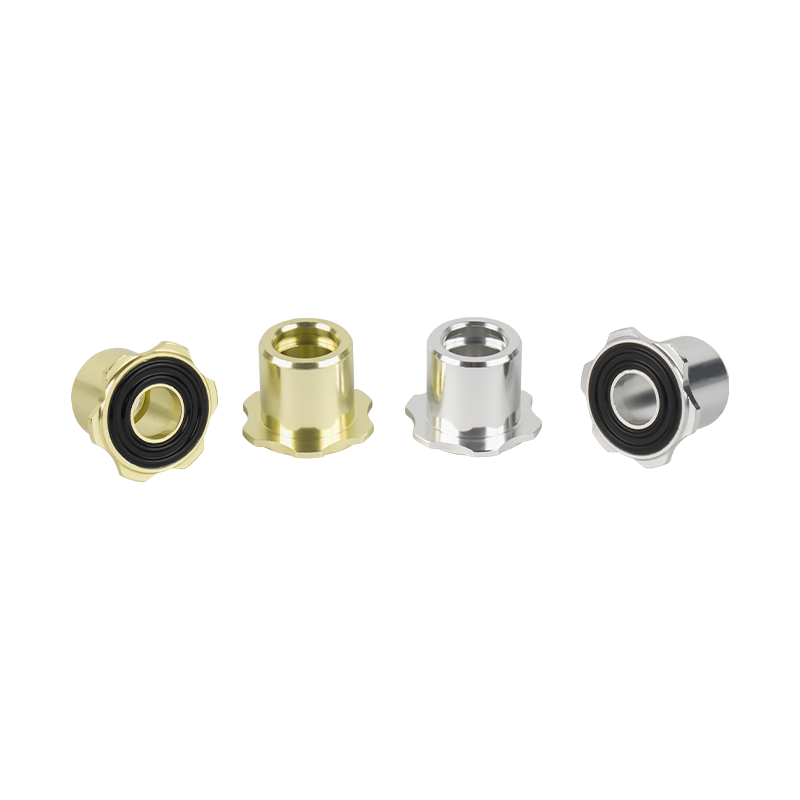
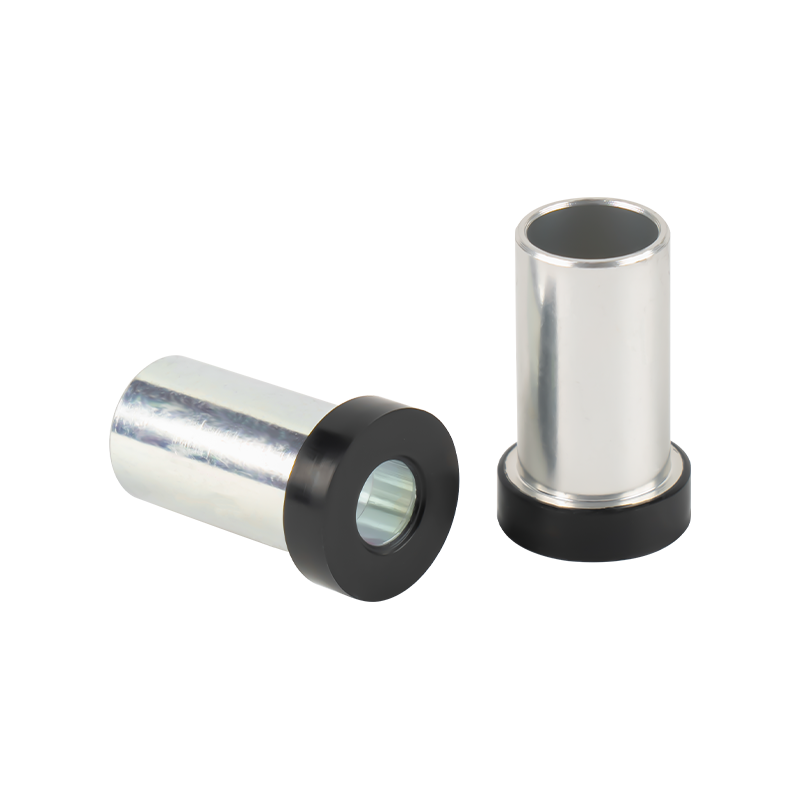
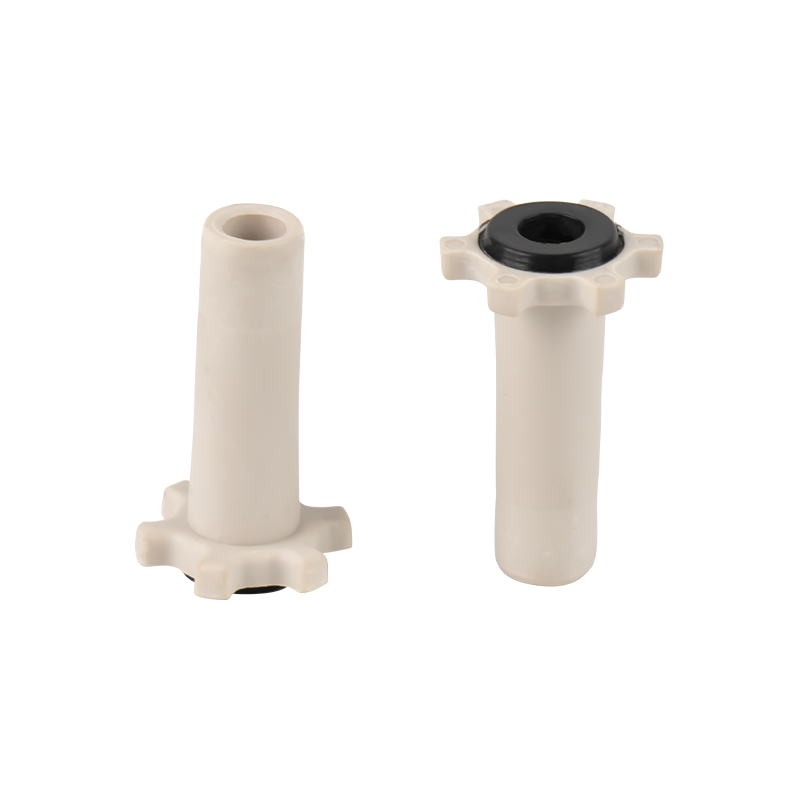
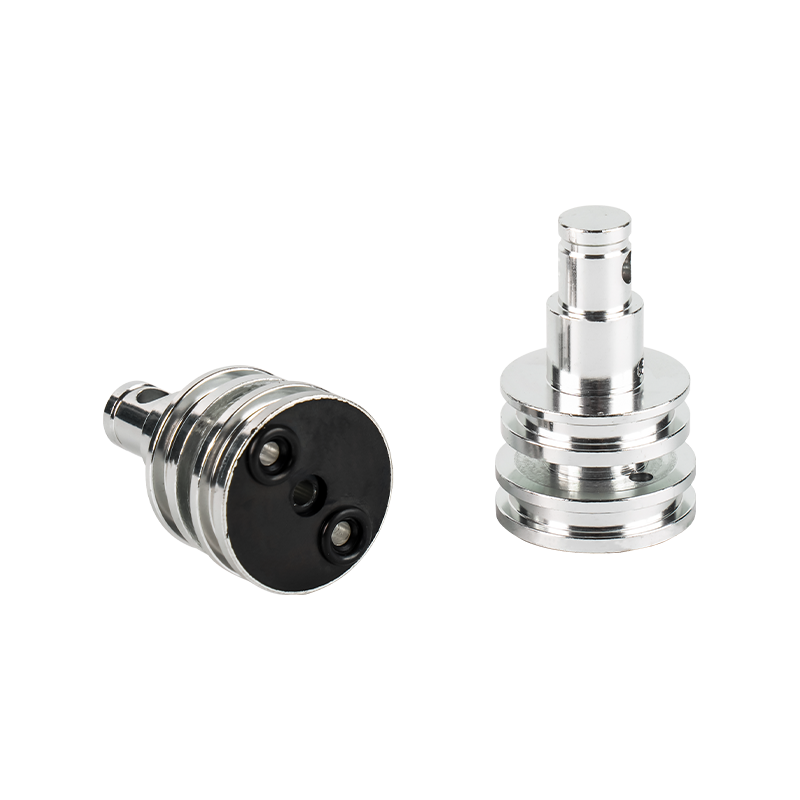
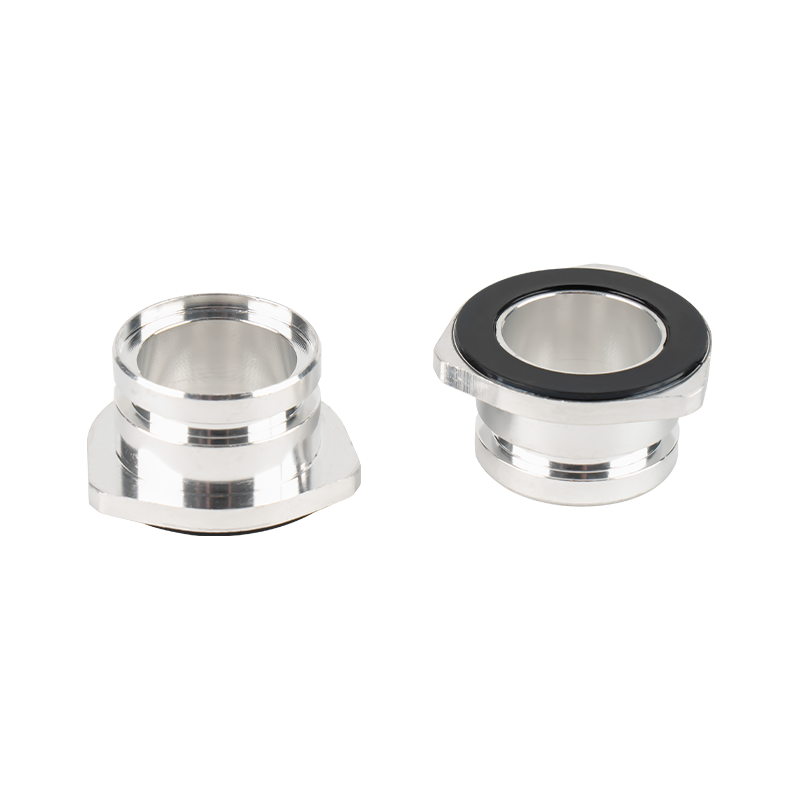
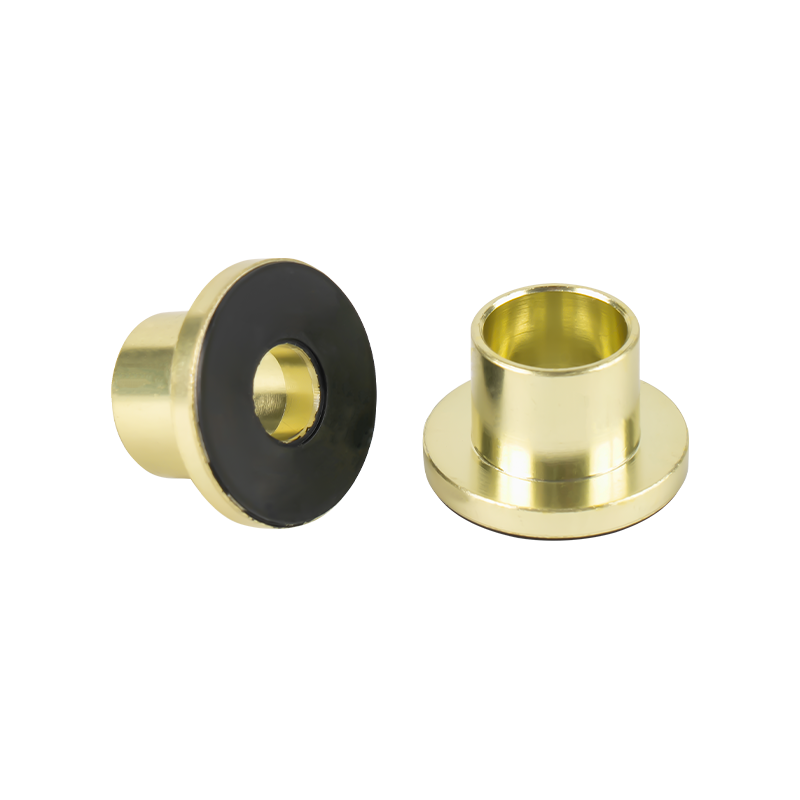
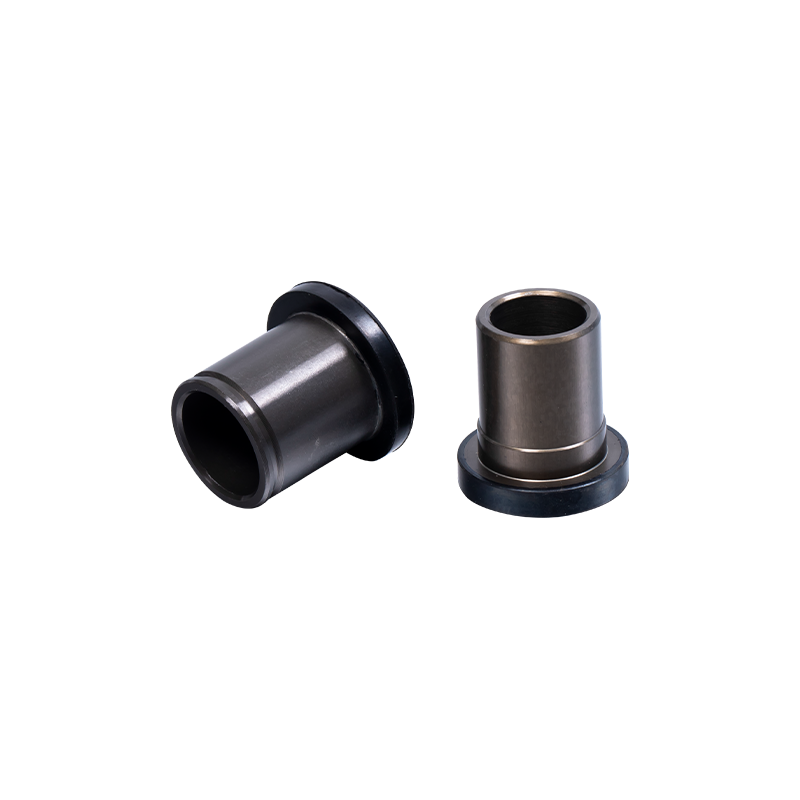
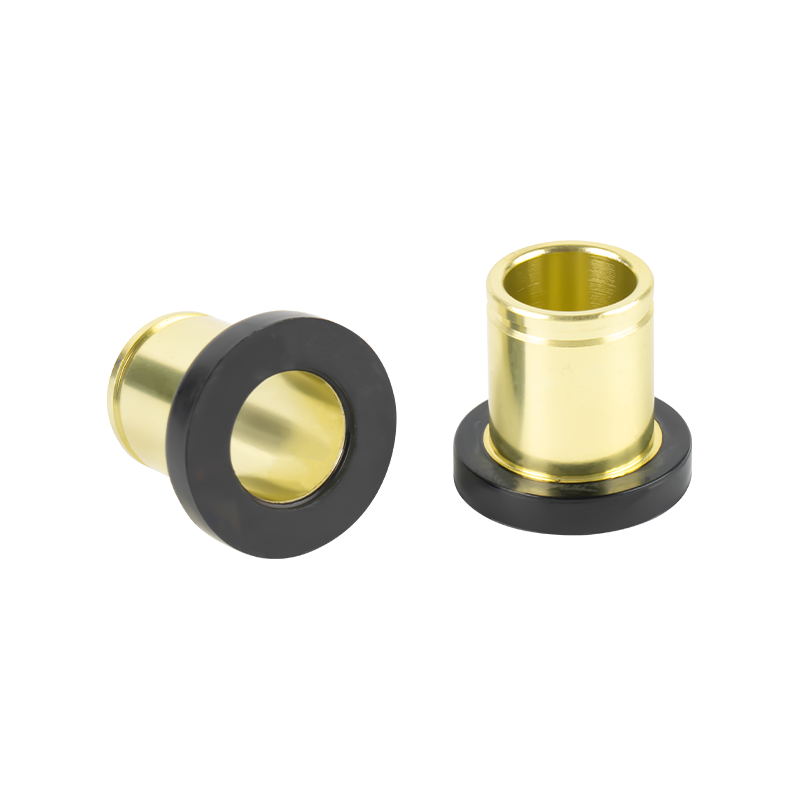
Yuyao Zhedong Automotive Parts Factory Co., Ltd., founded in 1988, specializes in the design and manufacture of automotive brake valve seat components, including a full Pneumatic Brake Valve product range for commercial trucks, trailers, and industrial equipment. The company's valve seats are produced under ISO 9001 quality management certification, with an annual production capacity exceeding 5 million sets, supplying major domestic commercial vehicle and parts manufacturers. Fleet operators and repair shops needing reliable, moisture-resistant pneumatic brake valve components can review the current product lineup for specification and compatibility details.