

 English
 русский
 中文简体
中文简体What are the different types of cylinder valves?
2026-07-06
Content
- 1 The Direct Answer: Cylinder Valves Fall Into Two Main Categories
- 2 Engine Cylinder Valves: Intake and Exhaust Poppet Valves
- 3 Automobile Valve Cylinder Assembly: The Core Component Types
- 4 Automatic Drain Valves: Protecting the Air System From Moisture
- 5 Check Valves and Safety Valve Assemblies: Directional Flow and Overpressure Protection
- 6 Solenoid Valve Assemblies: Electronic Control of Air and Fluid Flow
- 7 How to Identify the Right Cylinder Valve Type for a Repair
- 8 Manufacturing Quality Behind a Reliable Valve Cylinder Assembly
The Direct Answer: Cylinder Valves Fall Into Two Main Categories
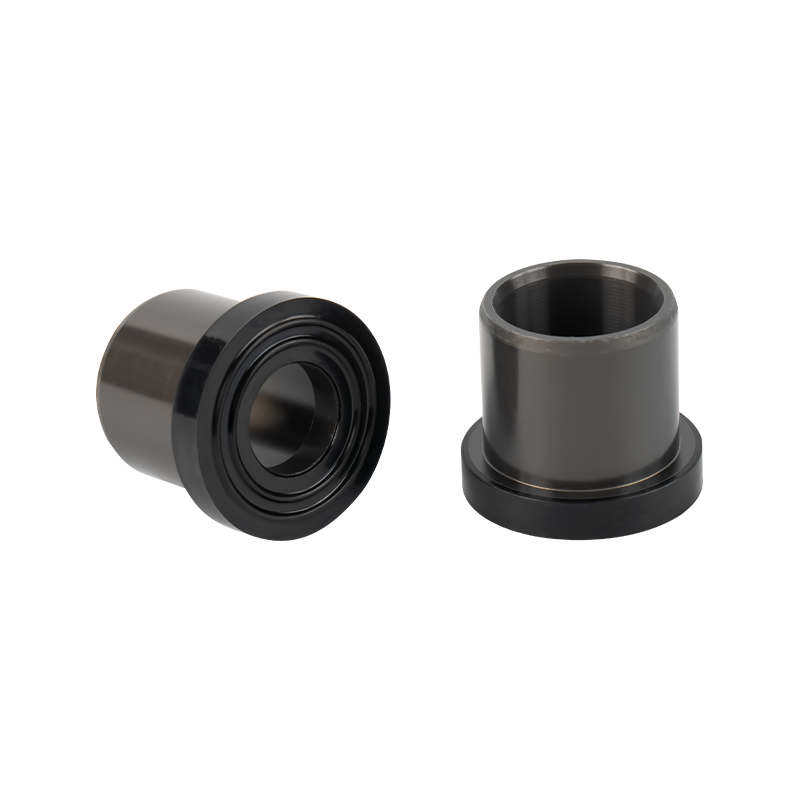
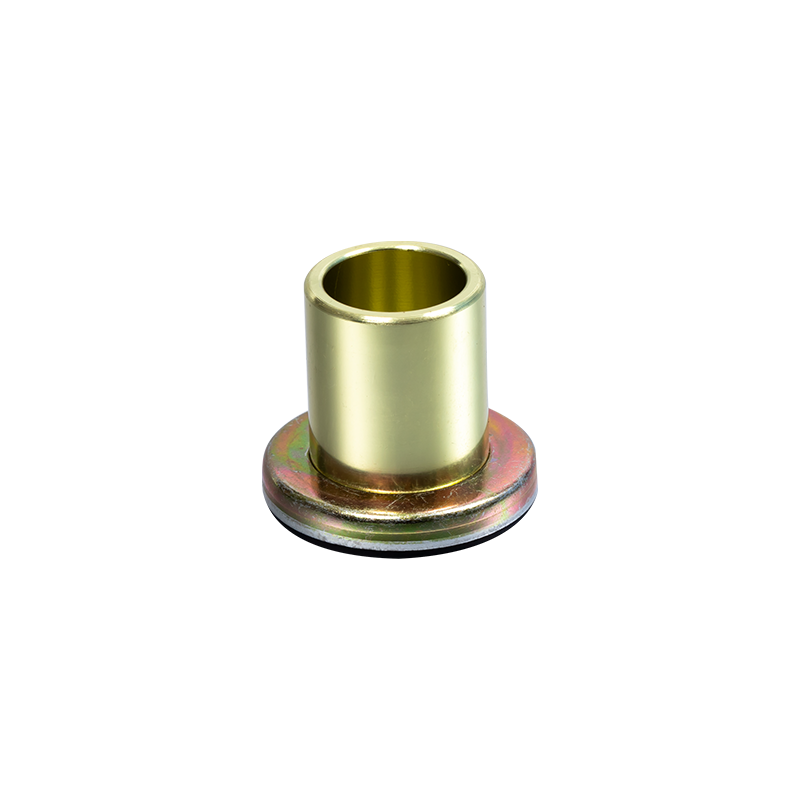
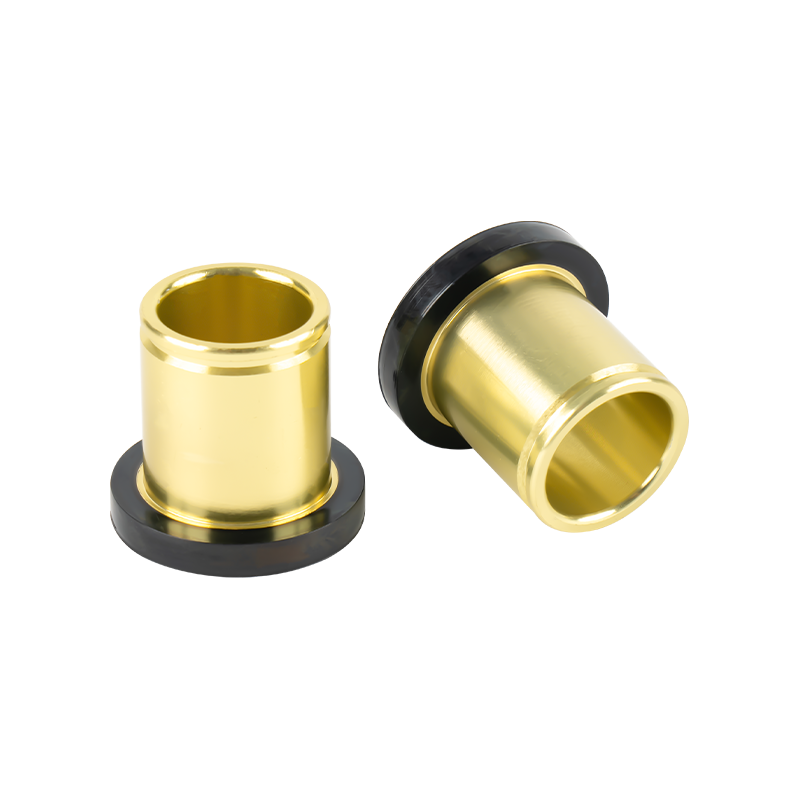
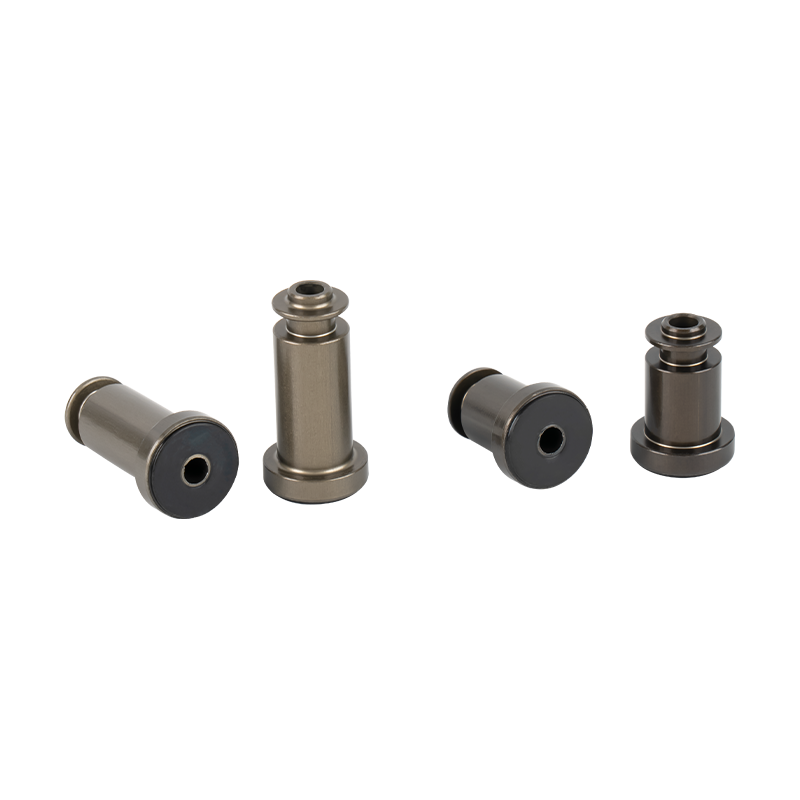
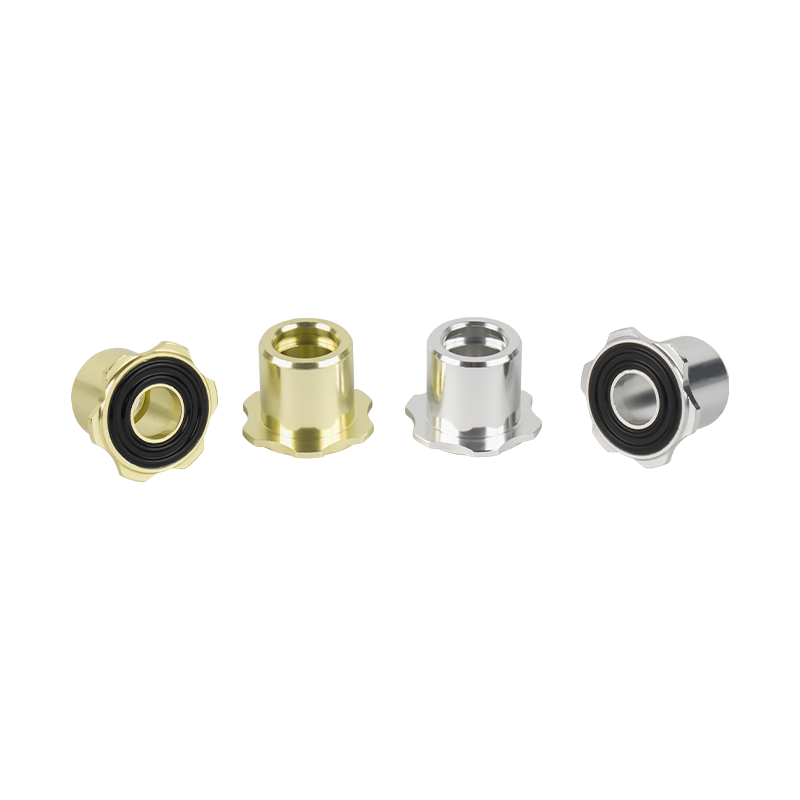
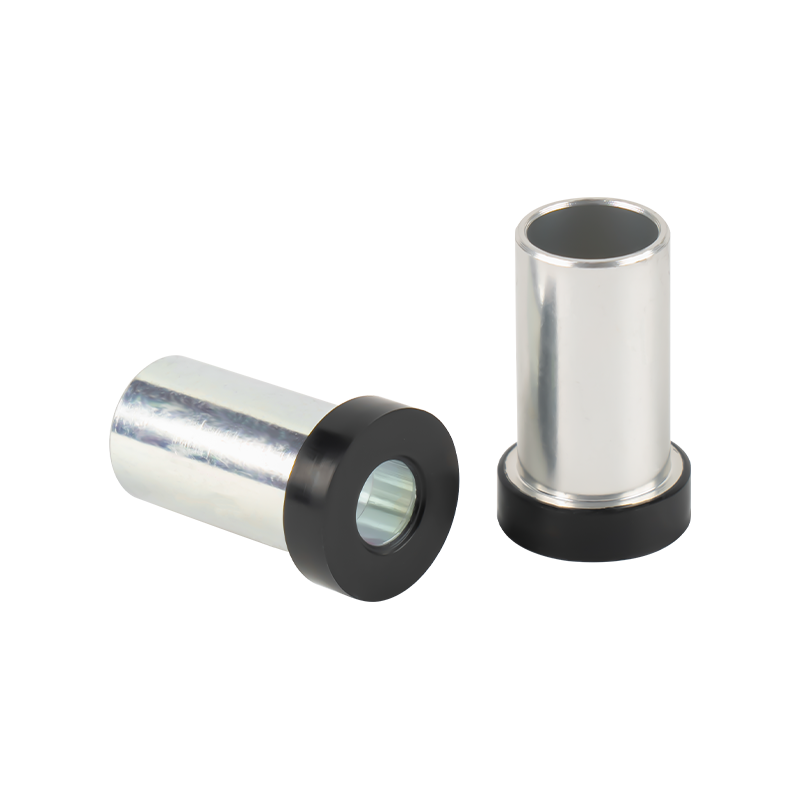
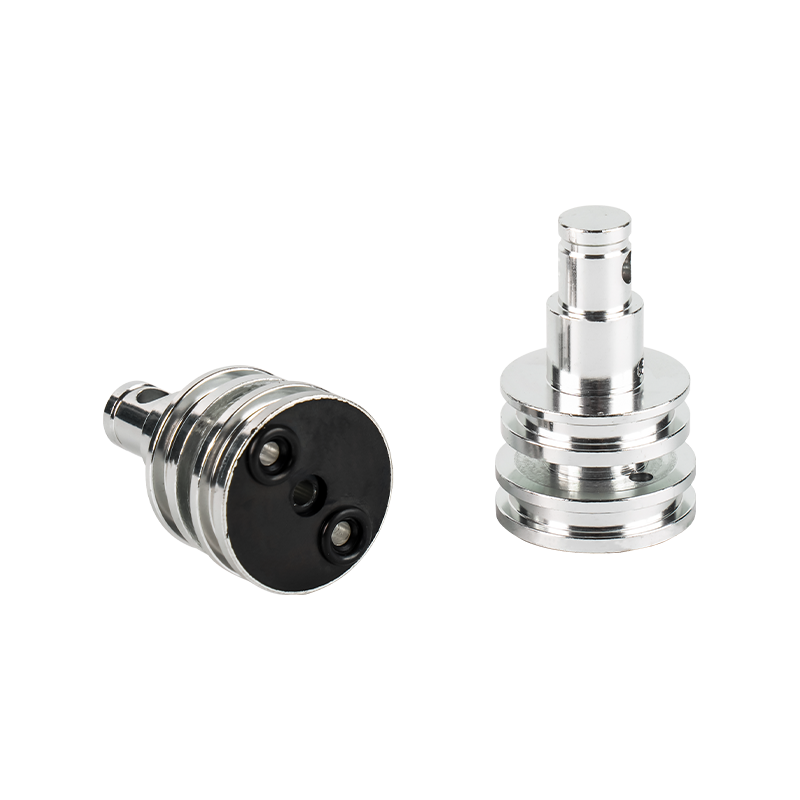
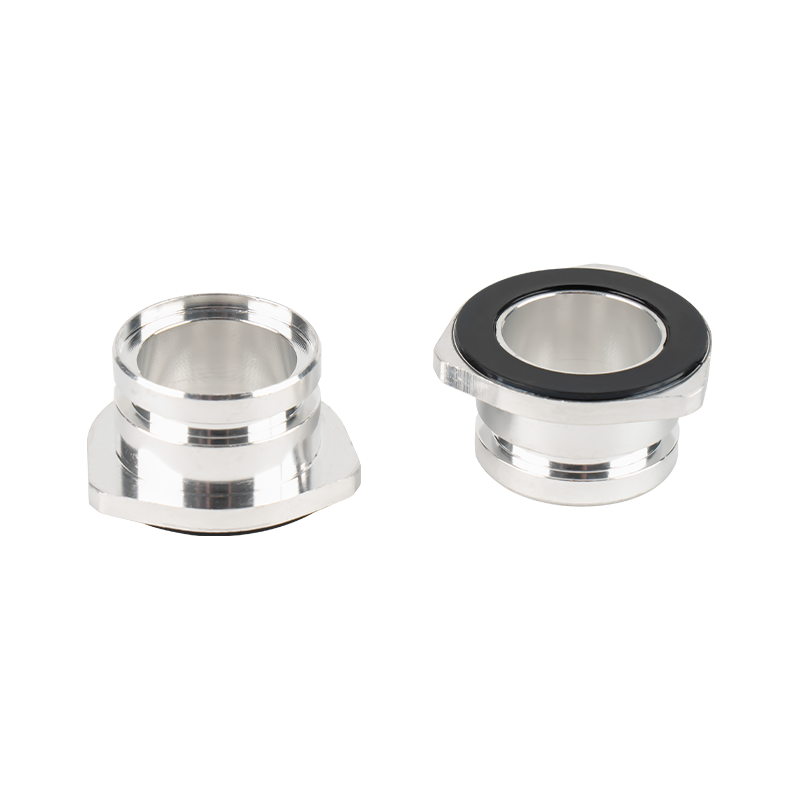
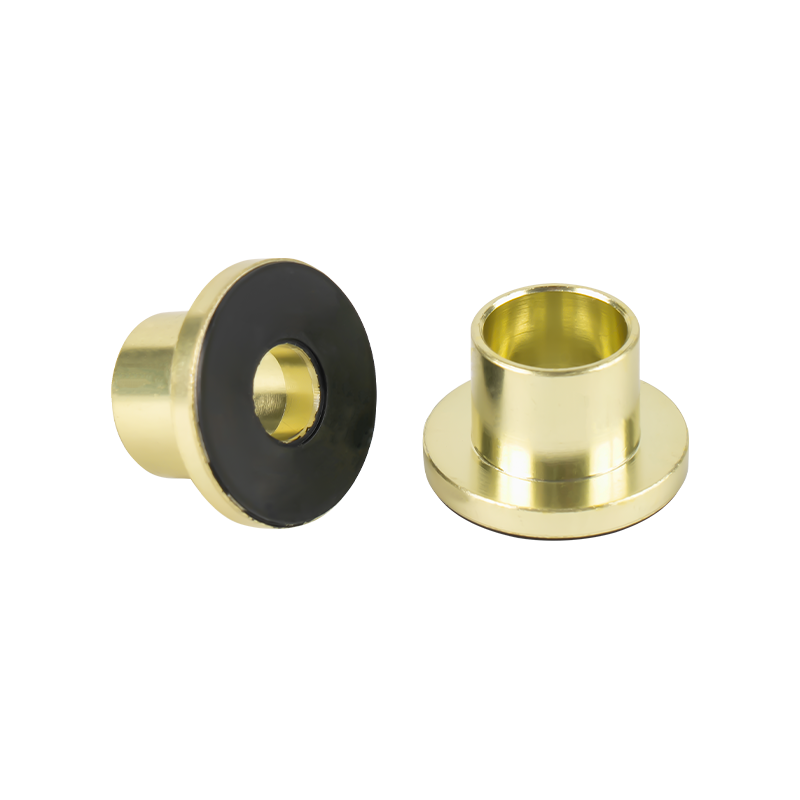
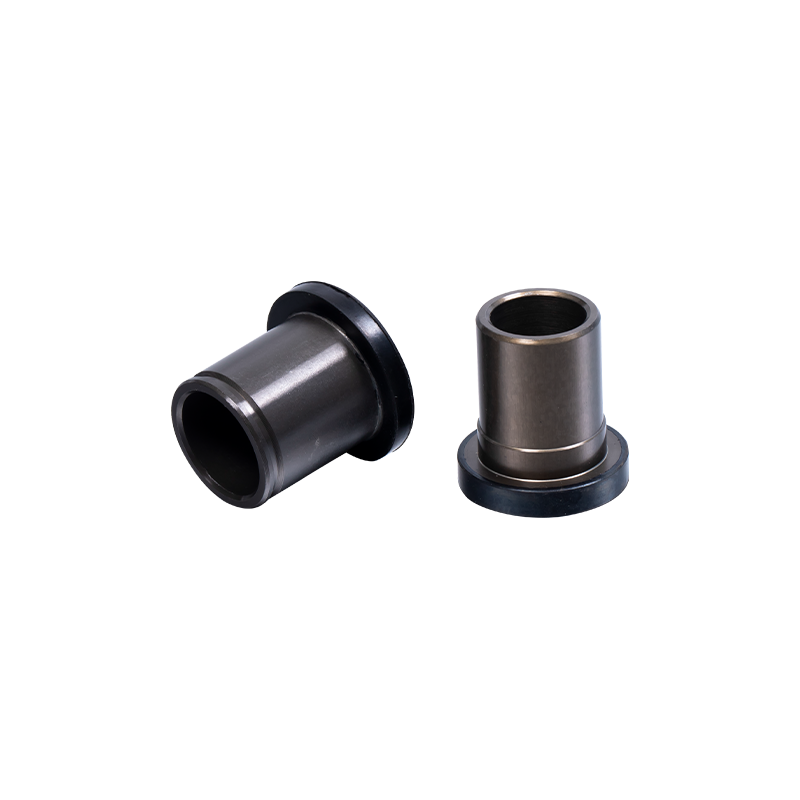
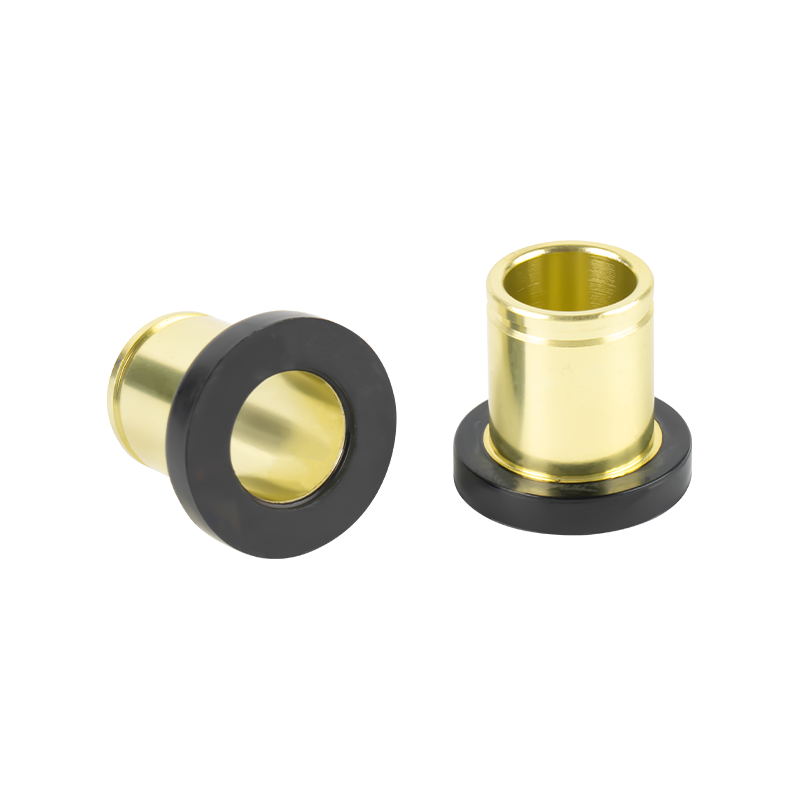
In an automotive context, "cylinder valves" refers to two distinct families of components. The first is the intake and exhaust poppet valves inside the engine's cylinder head, which control gas flow during combustion. The second, broader family is the automobile valve cylinder assembly — a group of pneumatic and hydraulic valve components mounted around the engine, brake, and air system cylinders, including automatic drain valves, check valves, safety valve assemblies, solenoid valve assemblies, oil shutoff cylinders, and stop cylinders.
Most searches for "types of cylinder valves" in a repair or procurement context are actually asking about this second group, since these are the components most commonly replaced, serviced, or sourced as OEM parts. Understanding what each type does — and where it sits in the vehicle's air or hydraulic circuit — is the fastest way to identify the correct replacement part or diagnose a system failure.
Engine Cylinder Valves: Intake and Exhaust Poppet Valves
Inside every internal combustion engine cylinder, two basic valve types manage the four-stroke cycle. The intake valve opens to allow the air-fuel mixture (or air alone, in direct-injection engines) into the combustion chamber, while the exhaust valve opens to release burnt gases afterward. Both are poppet-style valves — a disc-shaped head attached to a stem — that seat against precision-machined valve seats to seal the chamber during compression and combustion.
Why Intake and Exhaust Valves Are Built Differently
Exhaust valves face combustion temperatures that can exceed 800°C, so they are typically made from higher-grade heat-resistant alloys and sometimes filled with sodium to improve heat dissipation from the valve head to the stem. Intake valves run cooler and are usually made from more standard steel alloys, since their main challenge is airflow efficiency rather than thermal endurance.
Automobile Valve Cylinder Assembly: The Core Component Types
Beyond the engine's own intake and exhaust valves, modern vehicles rely on a family of auxiliary cylinder valves that regulate air, oil, and hydraulic flow across the brake system, suspension, and pneumatic circuits. These are collectively grouped under the automobile valve cylinder assembly category, and each type serves a distinct mechanical purpose.
| Valve Type | Primary Function | Typical Location |
|---|---|---|
| Automatic drain valve | Expels moisture and contaminants from compressed air | Air brake / air suspension reservoir |
| Automobile check valve | Allows one-way flow, prevents backflow | Engine and fuel system lines |
| Safety valve assembly | Releases excess pressure to protect the system | Pressurized air or hydraulic circuits |
| Solenoid valve assembly | Electromagnetically controls fluid or air flow | Pneumatic and hydraulic control circuits |
| Oil shutoff cylinder | Stops oil flow in emergency or shutdown conditions | Engine and hydraulic oil lines |
| Stop cylinder | Controls and limits motion of connected automotive systems | Engine shutdown / actuation systems |
Each of these types is engineered for a narrow, specific job, which is why matching the exact valve type — rather than a generically similar-looking part — is critical for correct system performance.
Automatic Drain Valves: Protecting the Air System From Moisture
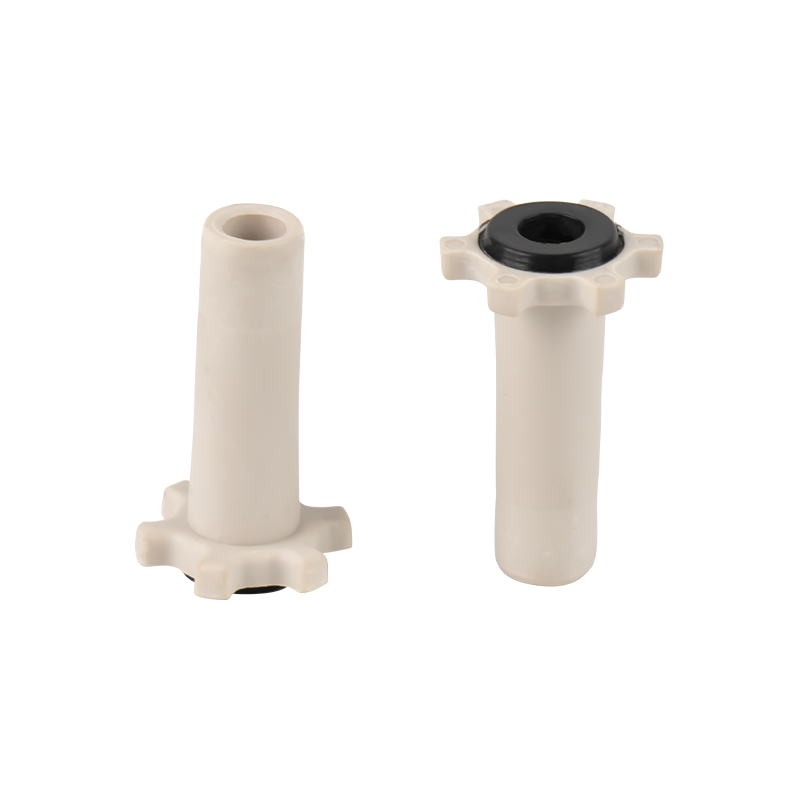
An automatic drain valve is one of the most frequently replaced components in air brake and air suspension systems. As the compressor pressurizes the air tank, water vapor condenses inside the reservoir; the drain valve senses this moisture buildup and opens automatically to expel it, preventing rust, corrosion, and ice formation that could otherwise impair brake or suspension performance. These valves are typically constructed from brass or high-strength plastic so they can withstand a wide temperature range without cracking or seizing.
Check Valves and Safety Valve Assemblies: Directional Flow and Overpressure Protection
An automobile check valve permits flow in a single direction only, closing automatically to block backflow when pressure reverses. This is essential in fuel systems and engine circuits where reverse flow could contaminate a line or damage an upstream component. A safety valve assembly serves a different but related purpose: it uses a spring-loaded mechanism to open automatically once system pressure exceeds a preset threshold, releasing excess air or fluid before it can rupture a line, seal, or reservoir. Because it operates purely mechanically, a safety valve continues to function even during an electrical fault, which is why it is treated as the last line of defense in pressurized automotive systems.
Solenoid Valve Assemblies: Electronic Control of Air and Fluid Flow
A solenoid valve assembly uses an electromagnetic coil to open or close a flow path on command, giving the vehicle's control unit precise, fast-acting control over pneumatic or hydraulic circuits. This design reduces the risk of leakage and mechanical failure compared with manually actuated valves, and it allows automated systems — such as electronically controlled air suspension or transmission hydraulics — to adjust flow in real time based on sensor input rather than a fixed mechanical setting.
How to Identify the Right Cylinder Valve Type for a Repair
Choosing the correct replacement valve starts with identifying the system it belongs to, not just its physical shape. The following checklist helps narrow down the correct type before ordering a part.
- Identify the circuit: is the valve part of the air brake system, fuel line, oil circuit, or hydraulic actuation system?
- Check the actuation method: mechanical spring, electromagnetic solenoid, or purely passive one-way flow?
- Confirm the pressure rating and material — brass, high-strength plastic, or steel alloy — to match the operating environment;
- Match the mounting dimensions and thread type to the original component exactly, since even a correct valve type will fail if the fitting does not seal properly;
- Verify the certification standard, such as ISO 9001 quality system compliance, for OEM-level reliability.
Manufacturing Quality Behind a Reliable Valve Cylinder Assembly
Because these valves operate under repeated pressure cycles and temperature swings, dimensional precision at the sealing face is what ultimately determines service life. Yuyao Zhedong Automotive Parts Factory Co., Ltd., founded in 1988 and based in the Yuyao Economic Development Zone of Zhejiang Province, has specialized in automotive brake valve seat and valve cylinder assembly production for decades. The company holds ISO9001:2000 international quality system certification and reports an annual production capacity of over 5 million sets of valve seats, supplying valve seat and cylinder assembly components used by major domestic vehicle manufacturers. Its production facilities include dedicated hardware, rubber, and adhesive workshops alongside an in-house mold manufacturing center, allowing tight control over dimensional tolerances across the full range of drain valves, check valves, safety valve assemblies, and solenoid valve assemblies within its automobile valve cylinder assembly product line.
For fleet operators and repair shops, sourcing cylinder valves from a manufacturer with this level of process control reduces the risk of premature seal failure and helps ensure that replacement parts perform consistently with original equipment specifications across the vehicle's service life.