

 English
 русский
 中文简体
Main Bearing vs Rod Bearing: Key Differences in Location, Load, and Oil Feed
2026-11-09
Content
- 1 The Short Answer: Two Bearings, Two Jobs
- 2 Where Each Bearing Sits and What It Carries
- 3 Oil Feed and Groove Design: A Difference You Can See
- 4 Clearance, Tolerance, and Assembly Checks
- 5 Failure Patterns That Point to the Wrong Bearing or Fit
- 6 Purchasing Precision Parts: What Bearing Practice Teaches
- 7 A Practical Takeaway
When an engine is torn down with a failed bearing, the damage often looks like a single event: a scored shell, a blued crank journal, or a knock that appeared without warning. The more useful question is where the failure started. Main bearings and rod bearings sit in different places, carry different loads, and receive oil in different ways. They are not interchangeable, even when their shell diameters or part numbers look similar in a catalog. A main bearing supports the crankshaft in the block; a rod bearing supports the connecting rod on the crank journal. One locates the crank, the other follows the firing load. The distinction matters before you order parts, check clearance, or decide whether a crankshaft can be reused.
The Short Answer: Two Bearings, Two Jobs
Main bearings hold the crankshaft in the engine block and set its running position. Rod bearings sit inside the connecting rod big end and ride on the crankpin. Both are plain bearings with a steel backing and a soft overlay, but their job descriptions differ enough that a main shell cannot be substituted for a rod shell.
- Main bearing: supports the crankshaft, controls axial location where a thrust bearing is used, and usually carries an oil hole or groove that feeds the crank oil passages.
- Rod bearing: follows the connecting rod, takes the firing pressure on one shell and inertia reversal on the other, and is normally fed through a drilled passage in the crankshaft.
- No interchange: the shells differ in width, locating lip, oil hole position, groove layout, and sometimes upper versus lower design.
The practical result is simple: buy by position and by application, not by appearance. A bearing that fits the journal diameter but has the wrong oil hole, locating lip, or groove can starve the rod bearings or reduce the oil film in the main gallery.
Where Each Bearing Sits and What It Carries
Main bearings
A main bearing sits between the crankshaft main journal and the block saddle, with the cap closing the bore from below. In an inline-four there may be five main journals; V engines use fewer. The main bearing sees the combined force from all connecting rods, plus belt drive and flywheel loads. The upper shell often carries more load on the block side, while the lower shell works against the cap. A thrust bearing, often a flanged main shell, controls crankshaft end play.
Rod bearings
A rod bearing sits inside the connecting rod big end and rotates with the rod around the crankpin. The upper shell faces combustion pressure; the lower shell sees inertia reversal near top dead center. Because the load direction changes every revolution, fatigue and oil film recovery matter as much as steady load capacity. Rod shells usually have no oil groove. Oil arrives through the crankshaft passage and exits at the shell sides. A locating lip keeps the shell from spinning in the rod.
That difference in motion is why a rod bearing can fail from detonation or a bent rod, while a main bearing may fail from a misaligned cap or a blocked main gallery. The parts are close in the engine, but their load paths are not the same.
Oil Feed and Groove Design: A Difference You Can See
The oil path explains many wrong-bearing failures. In most engines, oil enters the main bearing, travels through a groove or hole in the main shell, passes into the crankshaft, and then reaches the rod bearing through a drilled passage in the crank. The main bearing is therefore part of the rod bearing oil supply. A main shell with a blocked hole, a groove in the wrong place, or a groove that is too long can lower oil pressure at the rod journal.
Groove length is a design choice, not a universal rule. A groove needs to feed the crank passage at the right moment; extending it around the full circumference can reduce load area and oil film support. That is why main and rod shells are not interchangeable even when the bearing material looks the same. Rod shells normally stay plain on the loaded side, and some engines use different upper and lower rod shells.
- Check that oil holes line up with the block and crank passages.
- Never add a groove or hole to a shell that was not made for it.
- Keep the bearing back clean; debris under a shell changes clearance and oil feed.
Clearance, Tolerance, and Assembly Checks
Clearance is where bearing selection becomes measurable. Main and rod bearings have separate clearance windows, and the correct number comes from the engine builder or service manual, not from a generic rule. Measure the journal with a micrometer, measure the shell bore with a bore gauge, or use plastic gauge as a cross-check. Record every journal, because taper and out-of-round can be larger than the coating thickness.
| Bearing position | Main bearing | Rod bearing |
|---|---|---|
| Location | Block saddle and cap | Connecting rod big end |
| Load source | Combined crank loads | Firing pressure and inertia |
| Oil feed | Usually drilled and grooved | Usually fed through crank passage |
| Shell features | Oil hole, groove, thrust flange on some | Locating lip, upper and lower differences |
| Clearance check | Journal to bore, end play | Journal to bore, side clearance |
| Common error | Wrong groove or cap order | Upper and lower shell reversed |
Torque matters as much as the shell. Main caps must go back in the correct order and orientation; rod bolts often use a torque-plus-angle or stretch method. A cap installed backward or a bolt not tightened to yield can close the oil clearance and spin a bearing before the engine reaches operating temperature.
Failure Patterns That Point to the Wrong Bearing or Fit
A failed bearing tells a story, but the story is not always that the bearing was bad. Look at the wear pattern before replacing parts.
- Spun bearing: clearance too tight, cap misalignment, loss of oil, or a locating lip not seated. A spun main can cut off oil to a rod journal.
- Fatigue and overlay loss: detonation, excessive load, or a shell that does not match the application.
- Edge loading: crank taper, a bent rod, or cap misalignment can concentrate load at one edge.
- Wear on one side only: bore alignment or connecting rod twist should be checked before a new set is installed.
- Dark blue journal: oil starvation is likely; check the main gallery, pickup, and clearances.
If a rod bearing fails, inspect the main bearing that feeds it. If a main bearing fails, inspect the rod journal that lost oil. The pair is connected hydraulically even though the parts are separate.
Purchasing Precision Parts: What Bearing Practice Teaches
Bearing work is a lesson in buying precision components: the drawing, the material lot, the oil hole, the locating feature, and the measured fit all matter. A part that looks right on a shelf can still be wrong for the application. That is the same discipline we apply at ZEAST Autoparts to precision-machined parts such as pistons, plungers, and guide sleeves, and to valve cylinder assemblies used in air control and brake systems. For a B2B buyer, the questions sound familiar: Is the tolerance stated on the drawing or only implied? Is the locating feature oriented correctly? Will the next lot match the first? Does the supplier control cleanliness and burrs before packing? Those checks prevent the same kind of failure that a wrong bearing shell causes in an engine: a part that fits the hole but not the job.
 PistonThe Piston is a critical component in automotive engines, designed to transfer force from expanding gas in the combustion chamber to the crankshaft, enabling the engin...View Product →
 PlungerThe Plunger is an essential component in automotive systems, designed to provide controlled motion and fluid movement within various mechanical assemblies. Made from h...View Product →
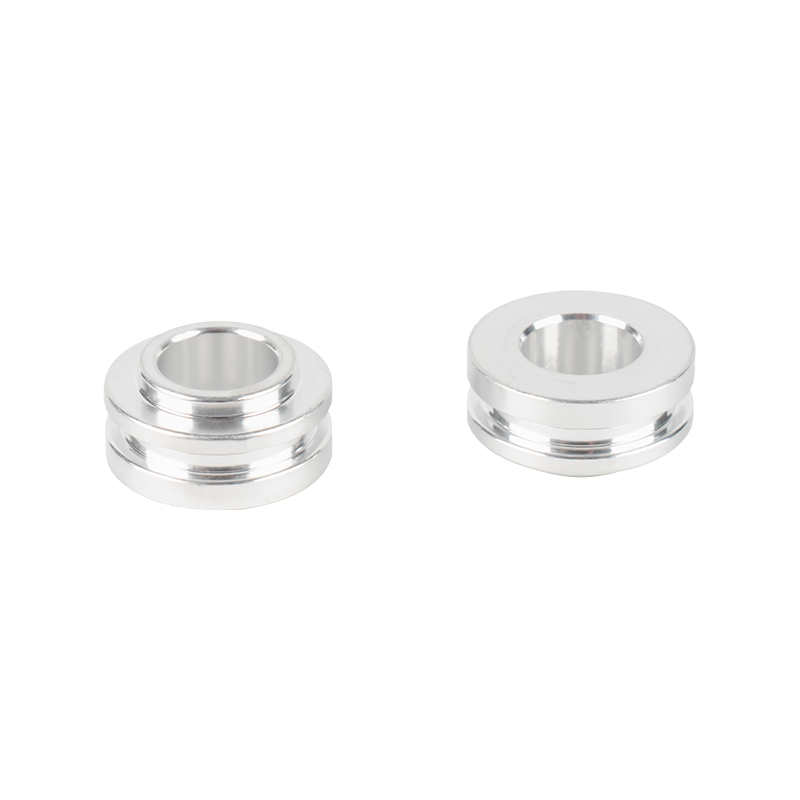 Guide Sleeve AThe Guide Sleeve A is a precision-crafted component designed to provide smooth guidance and support for moving parts in automotive systems. Made from high-strength mat...View Product →
When a drawing calls for a specific fit, ask for the measurement method, not just a pass or fail certificate. A bore gauge, a micrometer, and a documented inspection plan are more useful than a catalog image. The same is true for bearing shells: the part number is only the beginning.
A Practical Takeaway
Main bearing vs rod bearing is not a choice between two similar parts. The main bearing locates and supports the crankshaft; the rod bearing follows the connecting rod and takes the firing load. They use different shells, different oil feed paths, and different clearance checks. Order by position, verify the oil holes and locating lips, measure every journal, and follow the cap and bolt sequence. If one bearing fails, inspect the other: the oil supply links them. That habit saves more engines than any single upgrade part.