

 English
 русский
 中文简体
Valve Train Explained: How Engine Valves Open, Close, and Stay Reliable
2026-11-16
Content
- 1 What the valve train actually does
- 2 The main parts and what each one does
- 3 OHV, SOHC, and DOHC: what the layout changes
- 4 Valve timing, lift, duration, and spring load
- 5 Common failure signals and what they mean
- 6 Maintenance and specification checks that protect the valve train
- 7 What this means for buyers and rebuilders
A cold-start tick that fades after 30 seconds is often the first clue that a valve train needs attention. In simple terms, the valve train is every part that turns camshaft rotation into precisely timed intake and exhaust valve movement, plus the timing drive that keeps that movement synchronized with the crankshaft. If the valve train is late, early, or unstable, the engine loses compression, emissions control, and power before a driver notices a warning light.
That definition matters because the valve train is not a single service part. It is a chain of components: camshaft, lifters or followers, pushrods, rocker arms, valves, springs, retainers, seals, and the timing belt or chain. A weak spring, a worn lobe, or a stretched chain changes the whole system.
What the valve train actually does
In a four-stroke engine, the piston needs a clean air-fuel charge on the intake stroke and a clear path for exhaust on the exhaust stroke. The valve train opens each valve at a specific crank angle and closes it before compression begins. On a four-stroke engine, the camshaft turns at half crankshaft speed, so one cam revolution corresponds to two crank revolutions. That 2:1 relationship is the backbone of valve timing.
The camshaft lobe shape controls lift, duration, and opening point. The rest of the valve train transfers that motion. A pushrod engine adds mass and flex to the chain; an overhead-cam engine reduces reciprocating mass but places the cam closer to the valves. In every layout, the goal is repeatable valve motion at every engine speed.
For commercial-vehicle hardware, the same actuation discipline appears in hydraulic and pneumatic valve products. ZEAST Autoparts publishes an overview of valve-cylinder assemblies that helps buyers compare how valve motion, spring return, and sealing are packaged in vehicle subsystems.
The main parts and what each one does
Camshaft and timing drive
The camshaft carries lobes that push the valvetrain open. The timing chain or belt connects the crankshaft to the camshaft and prevents piston-to-valve contact. Chain stretch, tensioner wear, or a belt installed one tooth off will shift valve timing even if every other part is healthy.
Lifters, pushrods, and rockers
Lifters follow the cam lobe. Hydraulic lifters use oil pressure to maintain zero lash; solid lifters require a specified clearance. Pushrods transfer motion upward in OHV engines, while rocker arms change direction and multiply lift at the valve.
Valves, springs, and seals
The intake valve admits air; the exhaust valve survives heat. Springs close the valve and keep the follower in contact with the cam. Spring pressure must be high enough to prevent float at maximum rpm but not so high that it overloads the cam lobe or seat. Valve seals control oil migration into the port; worn seals show as blue exhaust smoke or oil consumption.
Variable valve timing hardware
VVT phasers rotate the cam relative to the crank, while solenoids meter oil to the phaser. The system depends on clean oil, correct viscosity, and a healthy oil control valve. A contaminated solenoid can command the wrong cam angle and set a correlation code without any mechanical breakage.
That same spring-and-seat discipline appears in commercial-vehicle air valves. A relay valve kit uses a small control pressure to modulate a larger brake-circuit flow; spring rate, seat condition, and porting decide crack pressure and release timing.
 Relay Valve Kit for Pneumatic Brake SystemsComplete component set for precise airflow management and reliable control in automotive and industrial pneumatic or hydraulic systems.View Product →
OHV, SOHC, and DOHC: what the layout changes
The layout names describe where the camshaft sits and how many camshafts are used. They do not automatically determine power, efficiency, or durability. A well-developed OHV engine can be compact and durable, while a DOHC engine can support four valves per cylinder, central spark plug placement, and independent intake and exhaust cam phasing.
| Layout | Camshaft location | Valve actuation | Typical strength | Typical limitation |
|---|---|---|---|---|
| OHV | Block, one cam | Lifters, pushrods, rockers | Compact, simple, strong low-end torque | More moving mass, limited high-rpm stability |
| SOHC | Cylinder head, one cam | Followers or rockers on one cam | Fewer parts than DOHC, good packaging | Less flexibility for independent phasing |
| DOHC | Cylinder head, two cams | Direct followers or buckets | Four-valve breathing, independent VVT | More components, tighter service access |
For a buyer or rebuilder, the table is a starting point, not a ranking. The real comparison is spring load, follower wear pattern, cam profile, and whether the timing drive has a known stretch or tensioner issue. A simple OHV layout with good oil maintenance can outlast a complex DOHC layout that misses oil changes.
Valve timing, lift, duration, and spring load
Valve timing is measured in crankshaft degrees. Lift is the maximum valve opening, usually in millimeters or inches. Duration is the crank-angle window during which the valve is off its seat. Overlap is the period when intake and exhaust valves are both slightly open near top dead center. These numbers interact: more duration can improve high-rpm breathing but reduce low-rpm vacuum and idle stability.
- Check published timing at a stated lift, often 0.050 in (1.27 mm) tappet lift, so comparisons use the same standard.
- Confirm spring installed height and seat pressure after a cam change; a new profile may coil-bind or float with stock springs.
- Verify timing chain or belt alignment marks and tensioner preload before rotating the engine by hand.
- Check lash or lifter preload at the specified temperature; hydraulic and solid systems use different procedures.
Spring load is the quiet limiter. Too little pressure allows valve float and bounce at high rpm; too much pressure accelerates cam lobe and follower wear. In a production engine, the spring, cam, and rev limit are matched. In a rebuild, mismatching those parts creates failures that look like ignition or fuel problems because the engine breaks up under load.
Common failure signals and what they mean
A valve train usually complains before it fails. The sound and the operating condition matter more than a single code.
- Cold-start tick that fades: often hydraulic lifter drain-down, low oil pressure at startup, or incorrect oil viscosity. If the tick remains hot, check lifter preload and cam lobe wear.
- Rattle at the front cover: timing chain stretch, worn guides, or a failing tensioner. A cam/crank correlation code confirms that mechanical timing has moved.
- Power fall-off above a specific rpm: valve float or weak springs. The engine may pull cleanly below 4,000 rpm and then break up as spring control is lost.
- Rough idle with VVT codes: stuck phaser, clogged oil control valve, or sludge in the oil passage. Clean oil and the specified filter are part of the repair, not an optional extra.
- Carbon buildup on intake valves: direct-injection engines do not wash the intake port with fuel, so deposits can disturb airflow. A borescope inspection is more reliable than guessing from a misfire code.
Contamination and reverse flow are also practical concerns in air-brake circuits. A worn check valve can produce slow release, pressure creep, or uneven brake response, so inspecting the seat, spring, and contamination level follows the same fault-finding logic as an engine valve train.
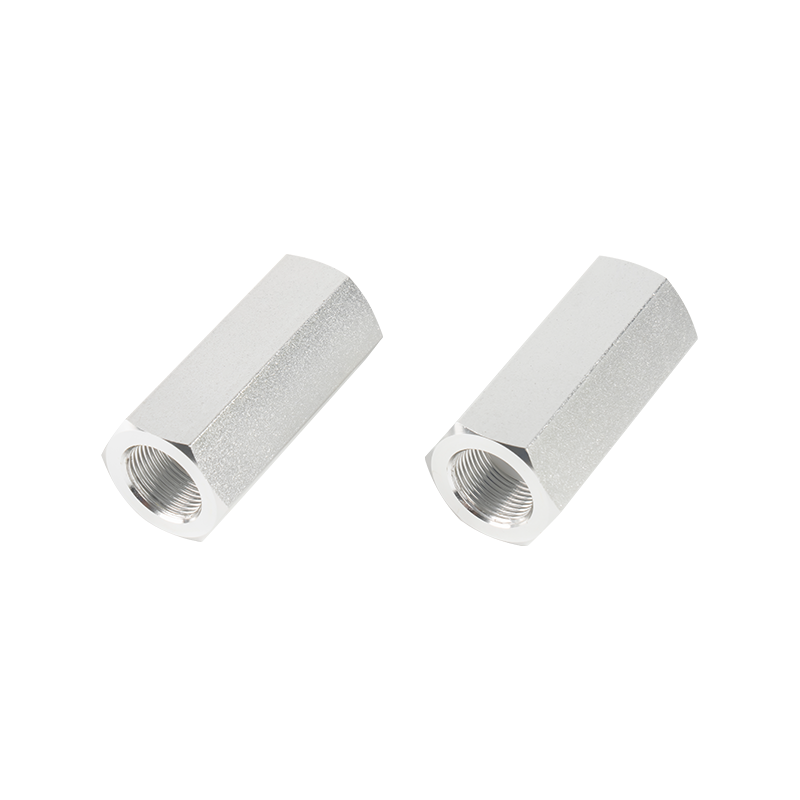 Automobile Check Valve for One-Way Fluid FlowPrevents backflow in engine fuel and cooling circuits, using spring or gravity operation and high-strength materials for durable automotive service.View Product →
Maintenance and specification checks that protect the valve train
The valve train is oil-fed and tolerance-sensitive. The first maintenance decision is the oil specification, not the oil brand. Use the viscosity and service category required for the engine, and verify that the filter has the correct bypass rating. A filter with the wrong bypass can starve the cam phaser or lifters at cold start.
For timing drives, inspect the belt or chain at the manufacturer’s interval and replace tensioners and guides as a set. For high-mileage engines, remove the valve cover and check for sludge, metal debris, and uneven cam lobe wear. A magnetic drain plug and oil analysis can reveal cam or lifter wear before a misfire appears.
- Record oil pressure at cold start and at operating temperature; low pressure explains many lifter ticks.
- Confirm the timing marks and rotate the engine two full turns by hand before starting.
- Use a dial indicator or specified gauge to check cam lift when a lobe is suspect.
- Replace valve springs in matched sets when changing cam profiles or repairing float damage.
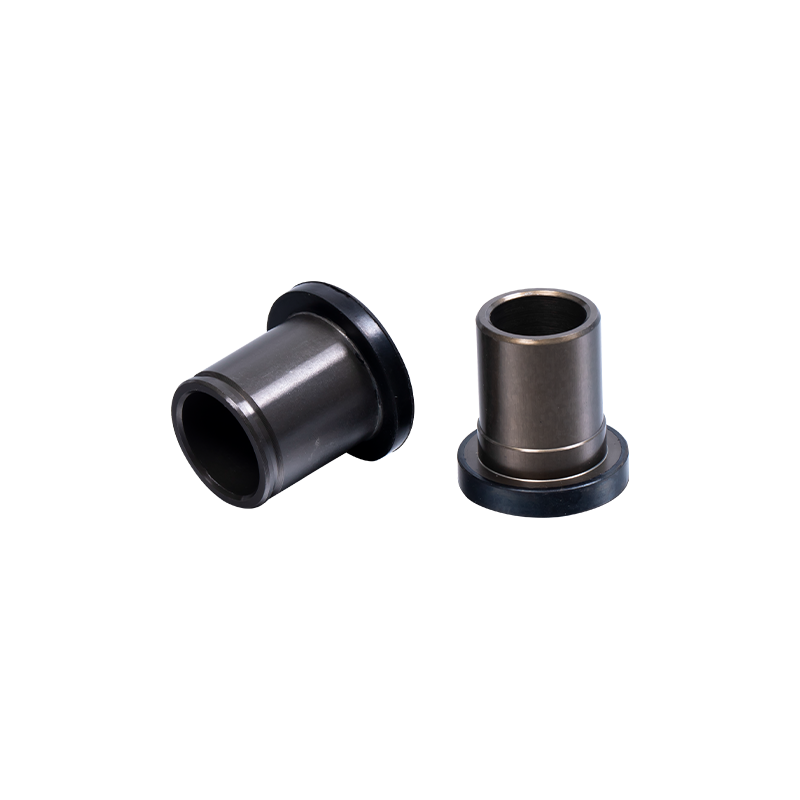
For machined parts, tolerance and surface finish often decide whether a valve seals or leaks. ZEAST Autoparts produces precision-machined automotive parts such as pistons, guide sleeves, and spring seats; the piston page is a useful starting point for drawing and material comparison.
 Precision-Machined Piston for Automotive EnginesHigh-strength engine piston transfers combustion force to the crankshaft, supports compression, and is built for durability in demanding conditions.View Product →
What this means for buyers and rebuilders
Whether the task is diagnosing an engine valve train or specifying a commercial-vehicle air valve, the evaluation criteria are similar: material, spring rate, sealing surface, and dimensional tolerance. A valve that opens at the wrong pressure or leaks at the seat creates a symptom that looks electrical but is mechanical.
ZEAST Autoparts, based in Yuyao, Zhejiang, was founded in 1988 and manufactures pneumatic brake valves, valve-cylinder assemblies, automotive machined parts, and engineering-machinery rubber products. Its public About page lists customers including FAW, Dongfeng, Wanxiang Group, and several Zhejiang-based component manufacturers, and states that products are exported to more than 30 countries. The company also reports ISO 9001:2000 certification. Those are company statements, but they indicate a B2B supplier used to drawing-based and repeat-production work.
Public capacity figures on the company site are not consistent: one page states more than 5 million valve seats per year, while a company-data block shows 10 million-plus annual capacity. Buyers should request current capacity, inspection documentation, and a sample approval plan rather than relying on a single web figure.
The valve train is best understood as a timing system, not a list of parts. Camshaft rotation becomes valve motion through lifters, pushrods, rockers, and springs; the timing drive keeps that motion synchronized with the pistons. When the system is healthy, the driver notices nothing. When it is not, the first evidence is usually a sound, a cold-start misfire, or a power loss at a specific rpm.
For maintenance, start with oil specification and timing-drive condition, then verify lift, lash, and spring load before replacing parts. For purchasing, compare the same mechanical details: seat geometry, spring rate, material, and tolerance. That approach works for an engine valve train and for the air valves that share its precision requirements.