

 English
 русский
 中文简体
中文简体What Are The Applications Of Pneumatic Valves In The Automotive Industry?
2026-06-29
Content
- 1 The Direct Answer: Where Pneumatic Valves Are Used in Vehicles
- 2 Core Functions of a Pneumatic Brake Valve
- 3 Main Types of Pneumatic Valves and Their Automotive Applications
- 4 Beyond Braking: Other Pneumatic Valve Applications in Vehicles
- 5 Why Valve Seat Quality Determines Real-World Performance
- 6 Selecting a Pneumatic Brake Valve Supplier
The Direct Answer: Where Pneumatic Valves Are Used in Vehicles
In the automotive industry, pneumatic valves are used wherever compressed air needs to be controlled, directed, or released on demand. Their single largest application is the air brake system of heavy trucks, buses, trailers, and engineering machinery, where a pneumatic brake valve converts the driver's pedal input into a precisely regulated burst of compressed air that activates the brake chambers at each wheel. Beyond braking, pneumatic valves also control suspension height in air-spring systems, operate parking and trailer-coupling functions, manage pressure relief and safety venting, and actuate auxiliary systems such as bus doors and lift axles.
Unlike passenger cars, which almost universally rely on hydraulic brakes, commercial vehicles favor compressed-air systems because air brakes scale more reliably to heavy loads, fail in a safer way (loss of air pressure triggers automatic braking rather than brake loss), and are easier to extend across multi-axle trailers using simple hose couplings instead of sealed hydraulic lines.
Core Functions of a Pneumatic Brake Valve
A pneumatic brake valve acts as the command center of an air brake circuit. When the driver presses or releases the pedal, the valve's internal core and seat assembly respond almost instantly to manage four key functions:
- Braking response — building usable brake pressure at the chamber quickly and smoothly as the pedal is depressed.
- Pressure regulation — adjusting output air pressure in proportion to pedal travel and force, allowing graduated rather than all-or-nothing braking.
- Brake release — venting air from the brake chamber rapidly once the pedal is lifted, so the wheels are not dragged.
- Safety redundancy — many valve bodies include fail-safe paths that can still deliver basic braking force even if part of the air circuit is compromised.
Main Types of Pneumatic Valves and Their Automotive Applications
An automotive air system rarely uses a single valve design. Instead, several specialized pneumatic valves work together, each handling a distinct task within the overall braking and air-management circuit.
| Valve Type | Primary Automotive Application |
|---|---|
| Main / foot brake valve | Converts pedal force into proportional air pressure for service braking |
| Relay valve | Speeds up brake application at axles far from the brake valve by locally amplifying airflow |
| Quick release valve | Accelerates air venting from brake chambers so wheels release without drag |
| Double check valve | Selects the higher of two pressure signals, used in dual-circuit safety logic |
| Parking / spring brake valve | Gradually bleeds spring-brake chamber pressure to apply or release the parking brake |
| Booster / dragon-type valve | Increases downstream air pressure beyond the supply line pressure for stronger braking force |
| Level control / lift axle valve | Maintains consistent ride height in air-spring suspensions and raises or lowers lift axles |
Beyond Braking: Other Pneumatic Valve Applications in Vehicles
While braking is the dominant use case, compressed air systems on commercial vehicles also rely on pneumatic valves for several supporting functions:
- Suspension and ride height — air-spring suspensions use level control valves to keep chassis height constant regardless of payload.
- Trailer coupling and shunting — park-and-shunt valves let drivers temporarily release spring brakes for short-distance maneuvering in yards and depots.
- Door actuation — buses commonly use pneumatic valves to open and close passenger doors with a controlled, repeatable motion.
- Pressure protection — protection valves isolate circuits from each other so a leak in one branch does not drain air from the rest of the system.
Why Valve Seat Quality Determines Real-World Performance
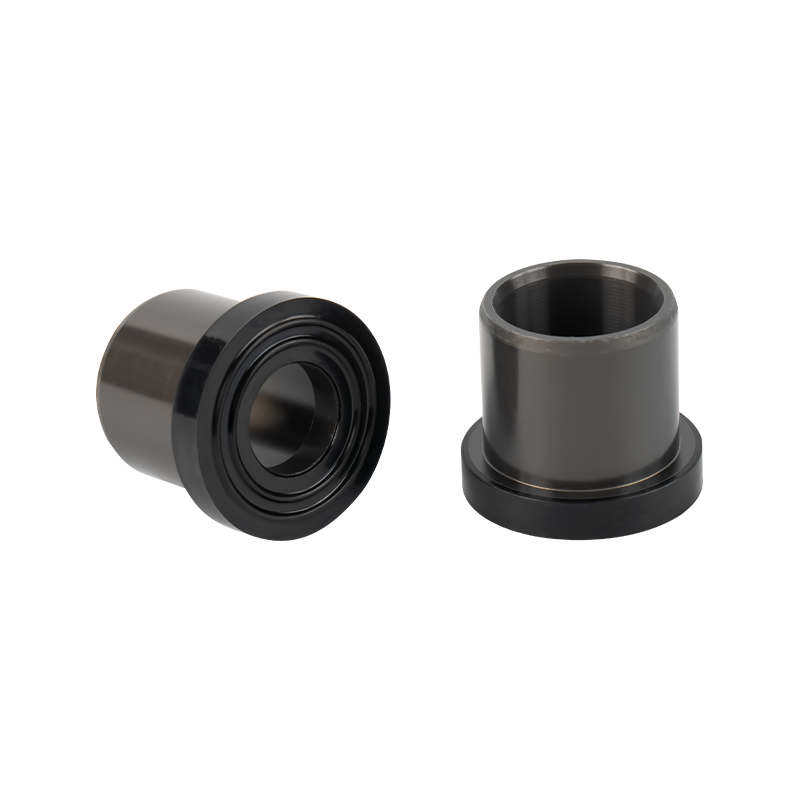
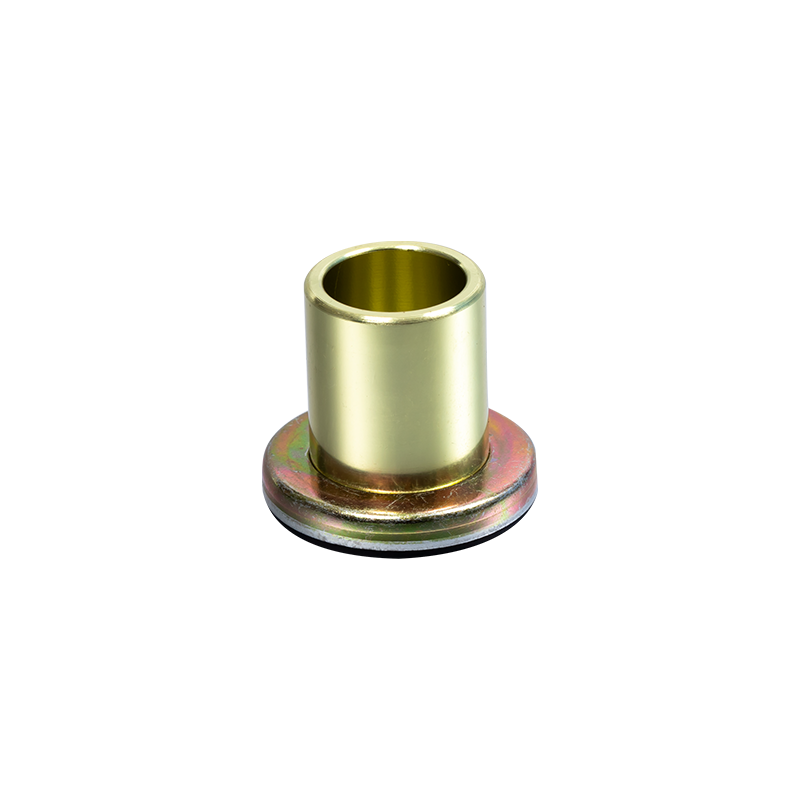
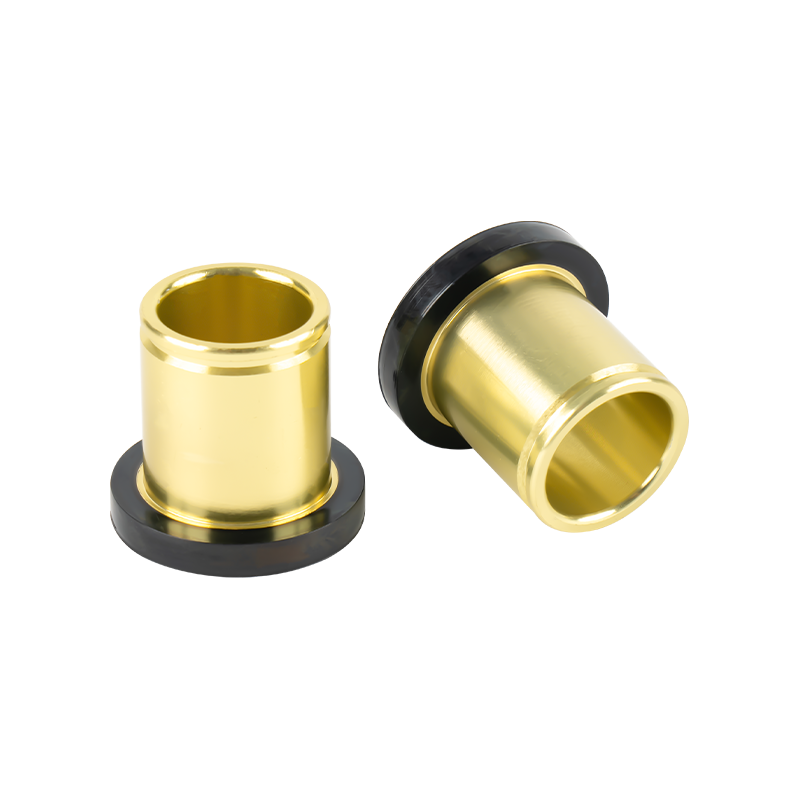
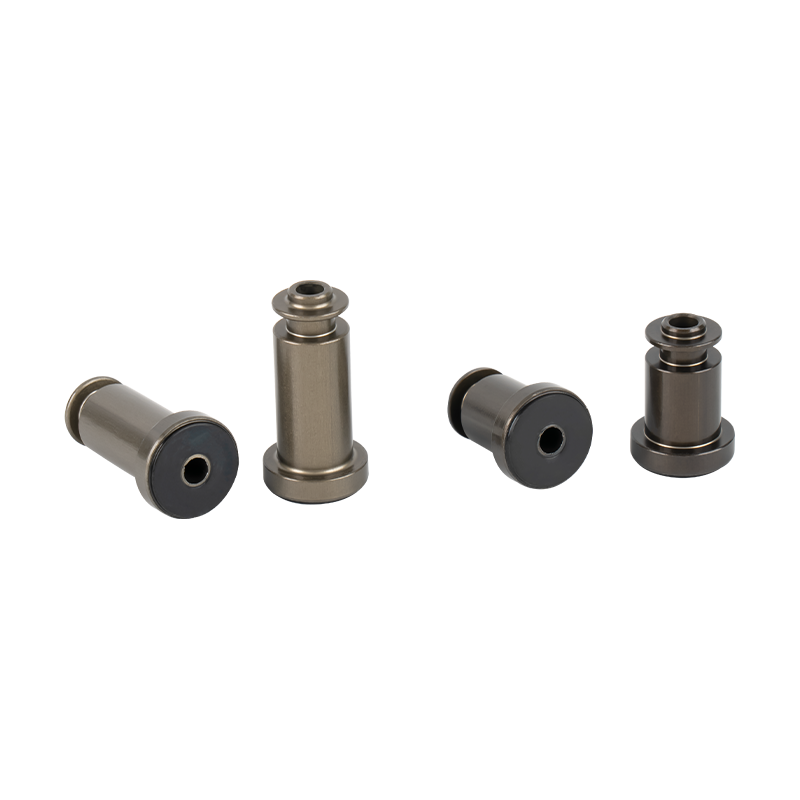
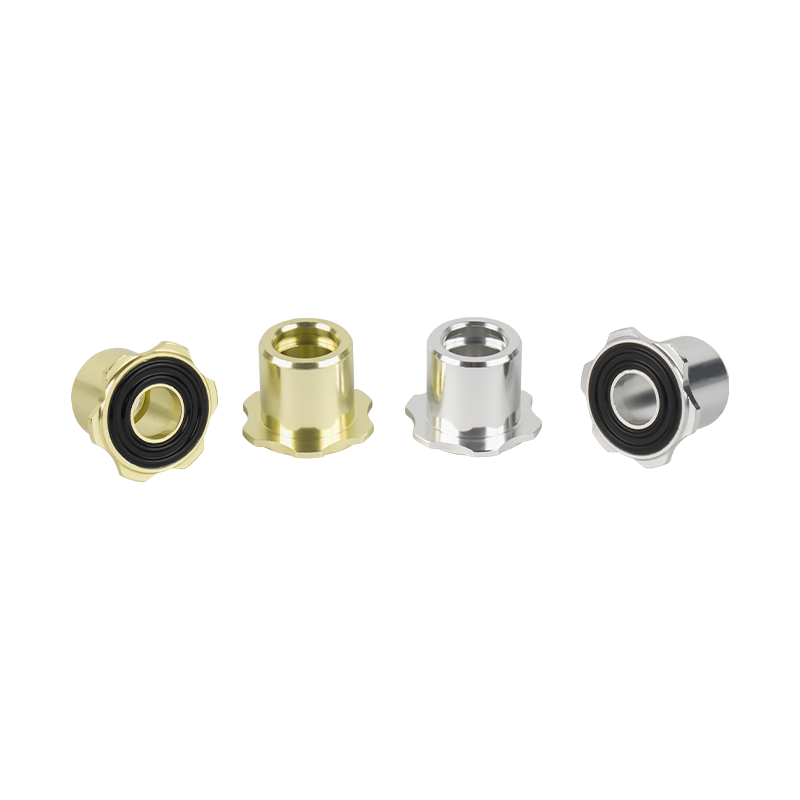
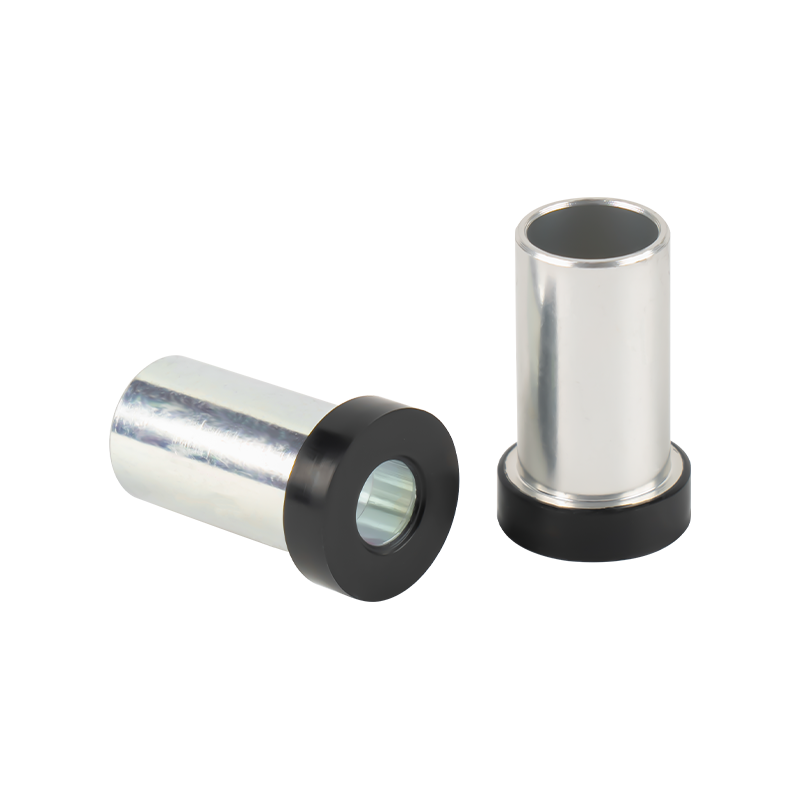
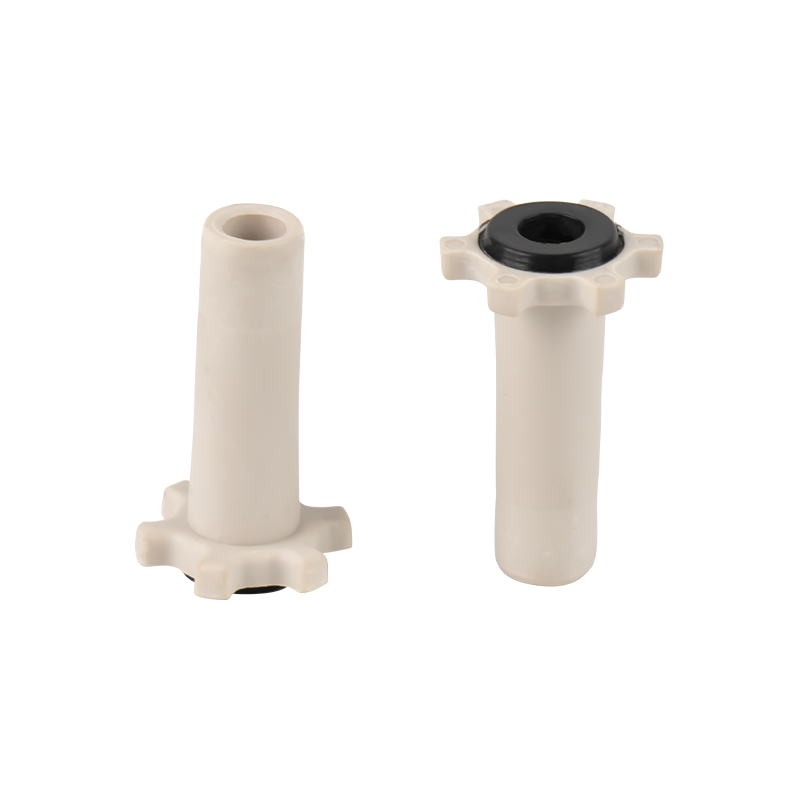
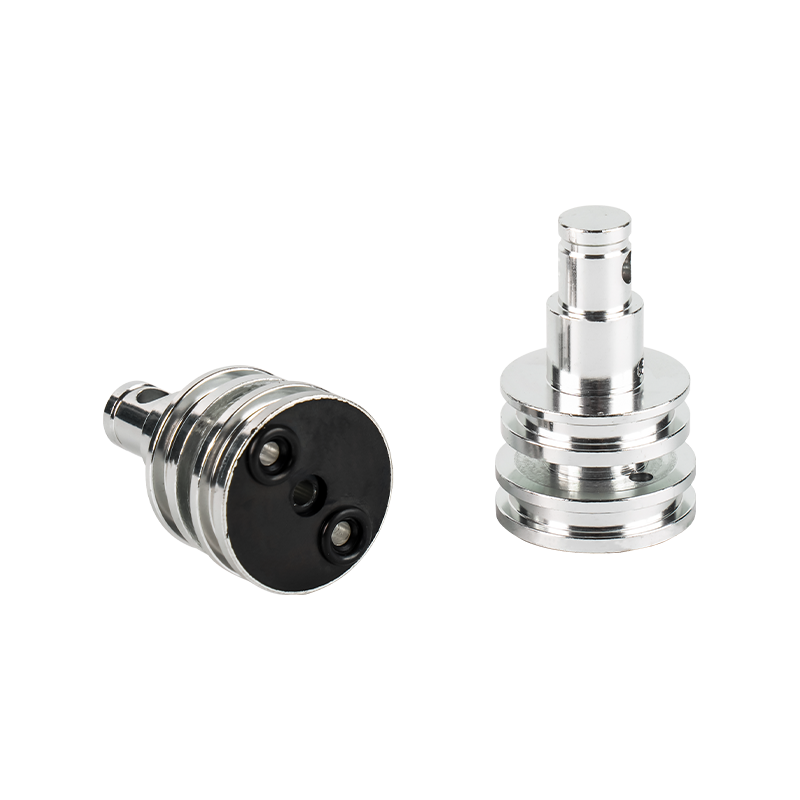
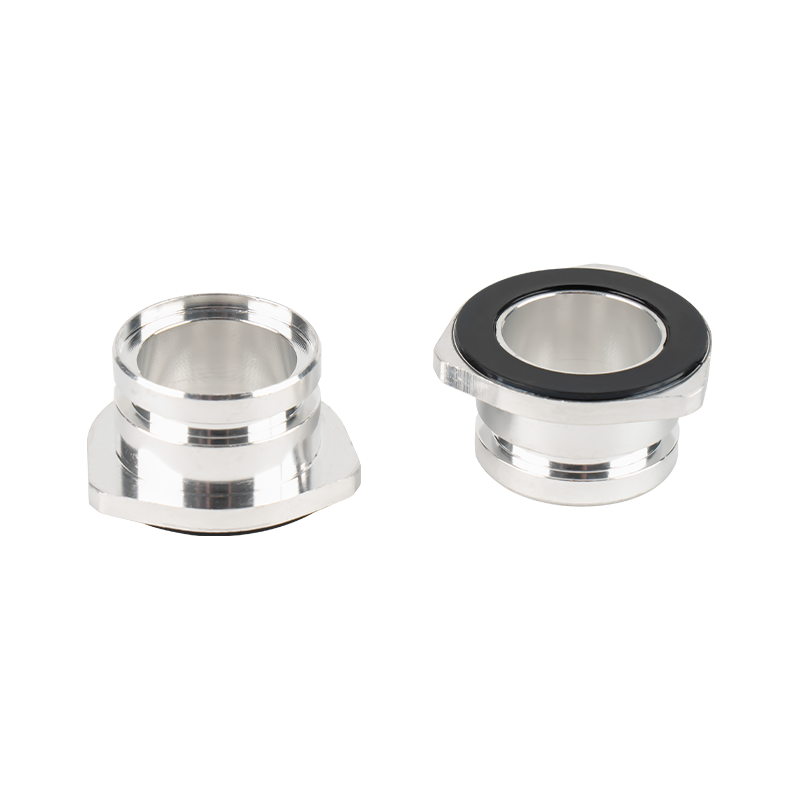
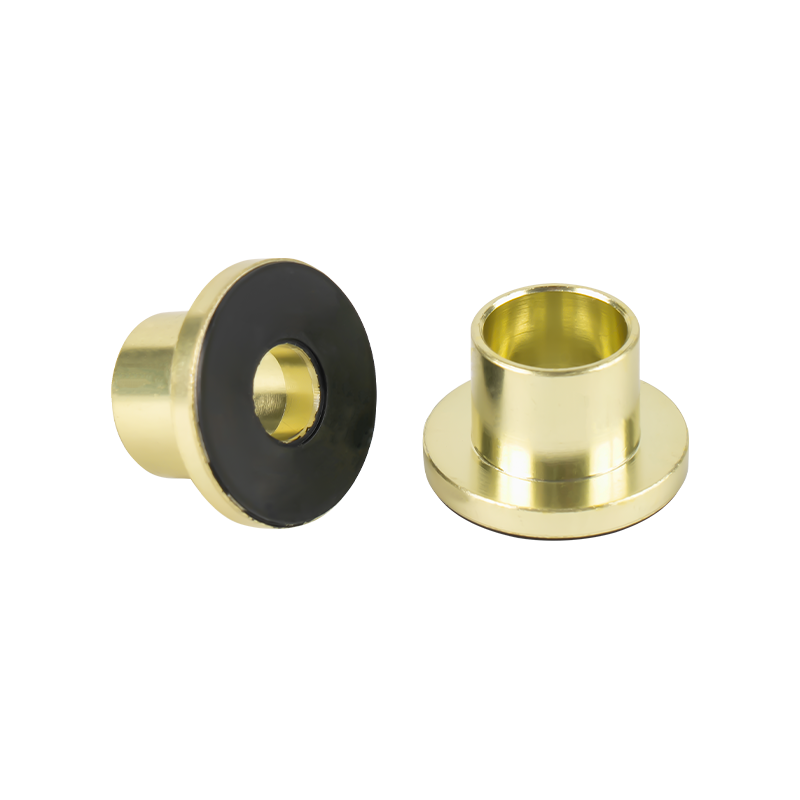
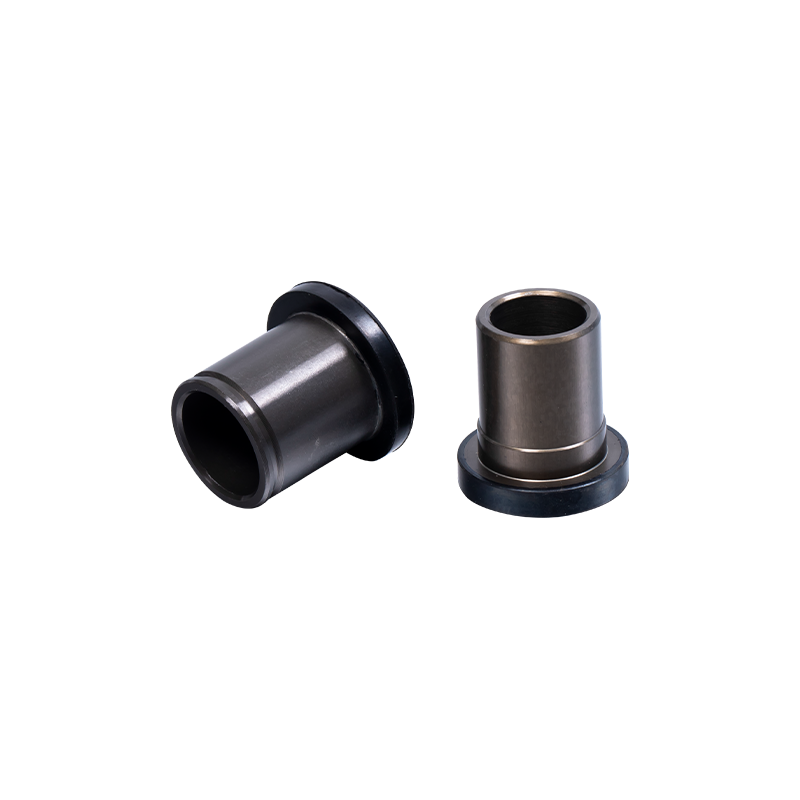
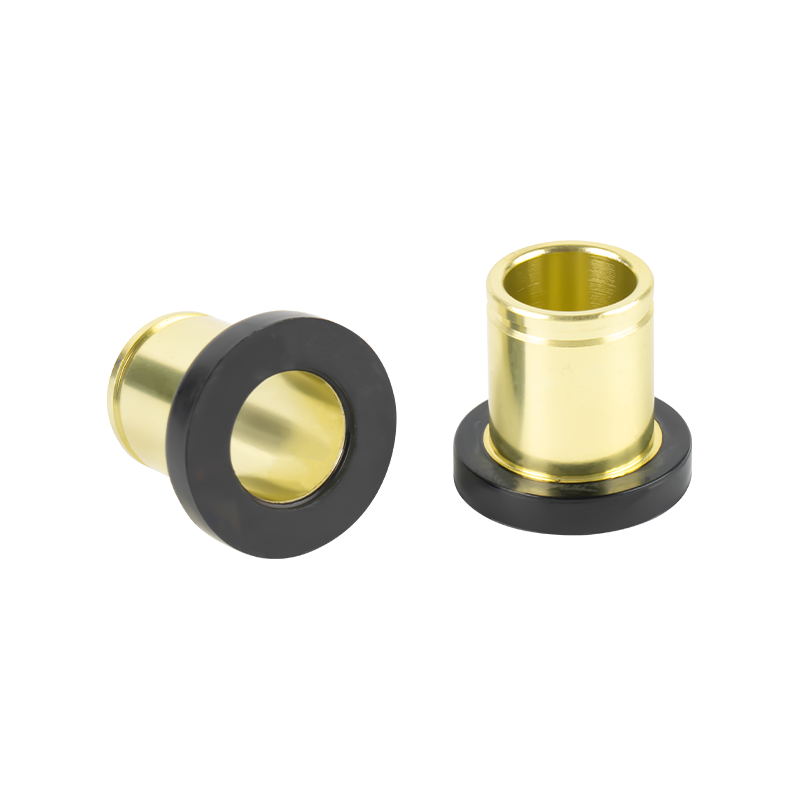
The valve seat is a small but critical precision component inside every pneumatic brake valve. It forms the sealing surface against the valve core, and its dimensional accuracy directly governs how fast and how consistently the valve responds.
What a Reliable Valve Seat Needs to Withstand
| Stress Factor | Why It Matters |
|---|---|
| High-frequency cycling | Repeated opening and closing wears the sealing surface over millions of cycles |
| Temperature swings | Material must keep its seal across hot engine bays and cold winter starts alike |
| Oil and chemical exposure | Compressor oil carryover and road chemicals can degrade weaker polymers |
| Micron-level tolerance | Even slight dimensional drift can cause air leakage, brake lag, or chatter |
A flawed valve seat is one of the most common root causes of brake lag, slow air pressure buildup, or leaking air systems — issues that directly compromise driving safety on heavy vehicles.
Selecting a Pneumatic Brake Valve Supplier
Because pneumatic brake valves sit directly in the safety-critical path of a vehicle's braking system, sourcing decisions should prioritize manufacturing consistency over price alone. Buyers typically look for ISO 9001 quality certification, in-house mold and material engineering rather than outsourced components, and a track record supplying established commercial vehicle and parts manufacturers.
Yuyao Zhedong Automotive Parts Factory Co., Ltd. has specialized in automotive brake valve seat production since 1988, operating from a 6,500 square meter facility with an annual capacity exceeding 10 million sets. The company holds ISO 9001 quality management certification and has supplied brake valve seat components to major domestic commercial vehicle groups. Its product range covers main valves, relay valves, quick release valves, booster valves, and complete valve assemblies, exported to over 30 countries. For OEM and aftermarket buyers evaluating a pneumatic brake valve partner, this combination of long-standing specialization and certified process control is a practical benchmark to compare against.