

 English
 русский
 中文简体
中文简体Drain Valve for Air Compressor: Types, Uses & Maintenance Guide
2026-05-25
Content
- 1 What a Drain Valve Does — and Why It Matters More Than You Think
- 2 Types of Drain Valves for Air Compressors
- 3 Comparing Drain Valve Types at a Glance
- 4 Where to Install a Drain Valve on an Air Compressor
- 5 How to Replace a Drain Valve on an Air Compressor Tank
- 6 How Often to Drain an Air Compressor Tank
- 7 Signs Your Air Compressor Drain Valve Is Failing
- 8 Choosing the Right Drain Valve: Key Specifications to Check
- 9 Maintaining Automatic and Electronic Drain Valves
- 10 Common Drain Valve Problems and How to Fix Them
- 11 Drain Valve Recommendations by Compressor Type
- 12 Disposing of Compressor Condensate Properly
What a Drain Valve Does — and Why It Matters More Than You Think
A drain valve for an air compressor removes accumulated moisture and condensate from the tank. That is its job, and it does one thing: prevent water from sitting inside your compressor tank and destroying it from the inside out. Roughly 1 gallon of water can condense inside a standard 60-gallon compressor tank every single day under humid operating conditions. If that water is not regularly drained, rust forms on the interior walls, tank pressure ratings drop, and in severe cases the tank can fail catastrophically.
Beyond tank integrity, moisture that passes downstream contaminates spray paint finishes, corrodes pneumatic tools, damages air-powered machinery, and ruins precision instruments connected to the line. A functioning drain valve is not optional equipment — it is the baseline requirement for any compressed air system that handles real work.
The good news is that drain valves are inexpensive, straightforward to install, and available in multiple configurations to match every type of compressor setup — from a small shop unit to a large industrial receiver tank. Understanding which type fits your application and how to maintain it properly will extend the life of your compressor by years.
Types of Drain Valves for Air Compressors
Not all drain valves work the same way. There are four main categories, each suited to different operating environments, budgets, and levels of automation.
Manual Drain Valves
The most basic and most common type. A manual drain valve is a quarter-turn ball valve or a petcock installed at the lowest point of the compressor tank. The operator opens it by hand, water drains out, and then it is closed again. These valves typically cost between $3 and $25 depending on thread size, material, and brand. They work reliably as long as someone actually remembers to use them — which is their biggest limitation in production environments.
Quarter-turn ball valves are generally preferred over old-style petcock designs because they open and close fully in a single 90-degree rotation, reducing the chance of leaving the valve partially cracked. Brass construction is standard for most compressed air applications, offering good corrosion resistance and compatibility with the oily condensate that compressors typically produce.
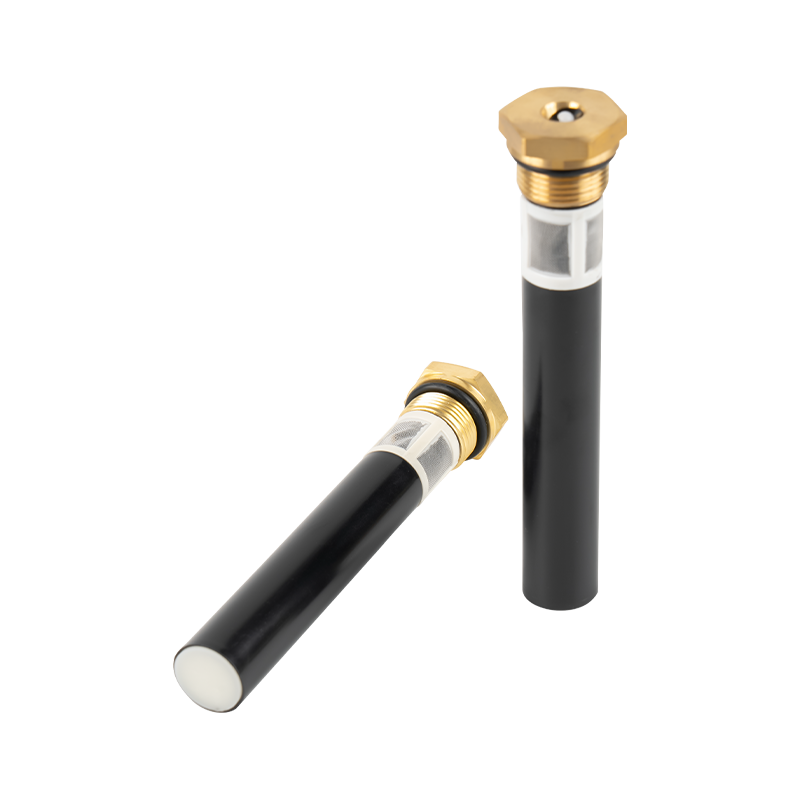
Automatic Float Drain Valves
A float drain valve uses a floating mechanism inside the valve body. As condensate accumulates and the water level rises, the float lifts and opens a discharge port. When the water drains and the float drops back down, the port closes. No electricity is required, no timers need programming, and no operator needs to remember anything. Float drains are ideal for unattended or overnight operation where manual draining is impractical.
The main weakness is clogging. Compressor oil, pipe scale, and debris can foul the float mechanism over time, causing the valve to stick open (constant air loss) or stick closed (no drainage). Most quality float drains include a manual override or blow-down button for testing and clearing blockages. Price range is roughly $20 to $120 for standard models.
Timer-Controlled Electronic Drain Valves
An electronic or solenoid drain valve uses a programmable timer to open the valve on a set schedule — for example, every 30 minutes for 5 seconds. They are powered by 110V or 24V depending on the model, and the timer settings are adjustable to match actual condensate production. These are particularly useful in industrial settings where condensate volume is predictable and consistent.
Electronic drain valves eliminate the human-error problem of manual drains and the clogging vulnerability of float drains. The tradeoff is cost: quality electronic drain valves run from $50 to $300 or more, and they require a power source. They also have a solenoid coil that can burn out after years of use, though replacement coils are usually available separately.
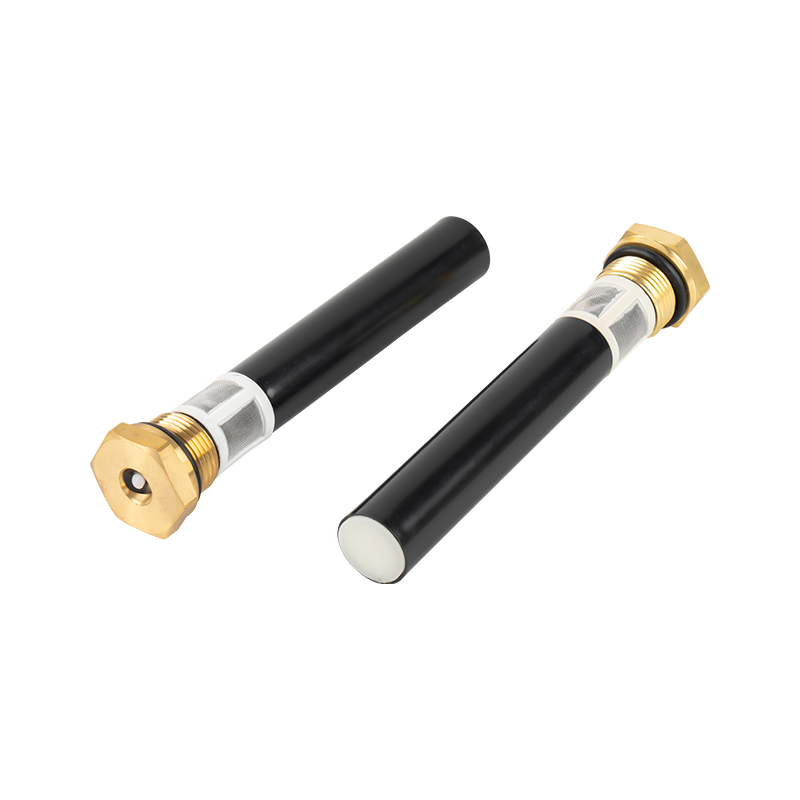
Zero-Loss Drain Valves
Standard drain valves, whether timer or float-based, discharge some compressed air along with the condensate — this is called "blow-off loss." In large industrial systems, this wasted air represents real energy cost. A zero-loss drain valve stores condensate in a small internal chamber, then discharges it with only a minimal air pulse. Zero-loss designs can reduce compressed air waste by up to 98% compared to timed solenoid drains that open for fixed intervals regardless of actual condensate volume. These are premium products, typically $150 to $600+, intended for facilities where energy costs justify the investment.
Comparing Drain Valve Types at a Glance
| Type | Cost Range | Automation | Best For | Main Weakness |
|---|---|---|---|---|
| Manual Ball Valve | $3 – $25 | None | Home shop, attended use | Requires manual action |
| Float Drain Valve | $20 – $120 | Fully automatic | Unattended operation | Susceptible to clogging |
| Electronic Timer Drain | $50 – $300 | Programmable timer | Industrial, consistent load | Wastes air, needs power |
| Zero-Loss Drain | $150 – $600+ | Fully automatic | High-volume industrial | High upfront cost |
Where to Install a Drain Valve on an Air Compressor
Placement is not arbitrary. A drain valve must be installed at the lowest physical point of whatever vessel it is draining — whether that is the main receiver tank, an inline aftercooler, a moisture separator, or a secondary storage tank. Moisture and condensate settle by gravity, so a valve installed anywhere other than the lowest point will leave standing water behind even when it is opened.
Most compressor tanks come from the factory with a 1/4 NPT threaded port at the bottom specifically for a drain valve. If yours has a petcock-style valve from the factory and you want to upgrade to a ball valve or automatic drain, that same port is your installation point. Always confirm thread size before ordering a replacement — 1/4 NPT is standard on small to medium tanks, but larger industrial tanks sometimes use 3/8 NPT or 1/2 NPT ports.
Adding Drain Points Downstream
On longer compressed air distribution lines, moisture continues to condense as air cools traveling through the piping. Best practice is to install drain legs — short vertical drops at low points in the distribution system — and fit each drain leg with its own drain valve. In a workshop or small facility, this often means placing a drain valve or moisture trap at the end of each main run, and at any point where the piping drops in elevation.
Aftercoolers, which cool compressed air immediately after it leaves the compressor pump, generate a particularly high volume of condensate because cooling causes rapid moisture precipitation. An aftercooler without its own dedicated drain valve will quickly flood and push moisture downstream regardless of how well the tank drain is maintained.
How to Replace a Drain Valve on an Air Compressor Tank
Replacing a faulty or corroded drain valve is a straightforward task that most compressor owners can handle without professional help. Follow this sequence carefully to avoid damaging threads or introducing leaks.
- Depressurize the tank completely. Open the existing drain valve and let all air exhaust. Do not attempt to remove any valve while the tank holds pressure. Even at 30 PSI, a valve backing out unexpectedly can cause serious injury.
- Drain all remaining condensate. Tip the compressor slightly if possible to allow water to flow out completely through the open valve before removal.
- Remove the old valve. Use an appropriately sized wrench — do not use pliers on brass fittings as they will round off the hex flats. Turn counterclockwise. If the valve is corroded in place, apply a penetrating lubricant and wait 15–20 minutes before trying again.
- Clean the threads. Use a wire brush or thread chaser to remove any rust, old thread tape, or sealant from the tank port threads. Inspect for damage — crossed or stripped threads in the tank require repair before reinstalling any valve.
- Apply thread sealant. Wrap 3–4 layers of PTFE (Teflon) thread tape clockwise around the male threads of the new valve, or use a liquid pipe thread sealant rated for compressed air service. Do not use standard plumbing tape — use tape specifically rated for air or gas.
- Install the new valve. Thread in by hand until snug, then tighten with a wrench. 1/4 NPT fittings typically require 2–3 full turns past hand-tight to achieve a proper seal. Do not overtighten — cracked brass fittings are a common result of over-torquing.
- Pressure test for leaks. Repressurize the tank to normal operating pressure and apply soapy water or a dedicated leak-detection solution around the valve threads. No bubbles means a good seal.
How Often to Drain an Air Compressor Tank
There is no single answer that fits every situation — condensate volume depends on ambient humidity, operating pressure, air temperature, duty cycle, and tank size. That said, practical guidelines exist:
- Light use (a few hours per week): Drain after each use session, or at minimum once per week.
- Daily use in a shop or garage: Drain at the end of every working day.
- High-humidity environments (summer, coastal areas, humid climates): Drain every 2–4 hours of continuous operation. Humidity dramatically increases condensate volume — a compressor that produces minimal water in January can produce several cups of condensate per hour in July under the same workload.
- Industrial continuous-duty compressors: Use automatic drain valves and inspect them weekly to confirm they are functioning correctly.
A simple way to calibrate your drain frequency is to drain the tank, operate for a set period (say, two hours), then drain again and observe how much water came out. If you see more than a cup of water after two hours of operation, you are in a high-condensate environment and should increase drain frequency or switch to an automatic drain valve.
Signs Your Air Compressor Drain Valve Is Failing
Drain valves are simple components, but they do fail — usually in one of two ways: they leak when they should be closed, or they fail to open when they should drain. Recognizing the signs early prevents bigger problems.
Signs of a Leaking Drain Valve
- The compressor cycles on more frequently than normal, especially when not in heavy use — this indicates pressure is leaking out somewhere.
- You can hear a faint hiss near the bottom of the tank even when the valve is in the closed position.
- Soapy water applied to the valve threads or body produces bubbles.
- There is moisture or mineral deposits visible around the valve body, indicating past or ongoing seeping.
Signs of a Blocked or Seized Drain Valve
- Very little or no water comes out when you open the valve, even though the compressor has been running for hours.
- The valve handle or petcock will not turn — corrosion has seized the mechanism.
- On automatic drain valves: you observe no discharge cycle, or the indicator light (if equipped) shows a fault condition.
- Rust-colored water or actual rust particles coming from air tools — this is a sign that moisture has been accumulating in the tank unchecked for an extended period.
In either case, do not continue operating the compressor normally. A leaking valve wastes energy and eventually starves the system of pressure. A blocked valve allows water to accumulate and begin the corrosion process that shortens tank life — or, in neglected tanks, eventually causes structural failure. Replacement drain valves cost very little. A failed or condemned compressor tank costs far more.
Choosing the Right Drain Valve: Key Specifications to Check
Before purchasing a replacement or upgrade drain valve, confirm these specifications match your compressor:
Thread Size and Type
Most air compressor drain ports use NPT (National Pipe Taper) threads — the tapered thread form standard in North American plumbing and pneumatic applications. The most common size for compressor tanks is 1/4 NPT. Larger tanks may use 3/8 or 1/2 NPT. European compressors may use BSP (British Standard Pipe) threads, which are dimensionally similar but not interchangeable with NPT — using an NPT valve in a BSP port (or vice versa) will leak. Verify your existing drain valve's thread specification before buying a replacement.
Pressure Rating
The drain valve must be rated for at least the maximum working pressure of your compressor. Most portable and shop compressors operate between 90 and 175 PSI. Larger industrial systems can operate at 200 PSI or above. A valve rated for 150 PSI should not be installed on a system that regularly reaches 175 PSI. Always buy a valve with a pressure rating that exceeds your maximum operating pressure by a meaningful margin.
Material Compatibility
Brass is the standard material for compressed air drain valves and is appropriate for the vast majority of applications. Stainless steel drain valves are available for environments with aggressive chemicals, high humidity, or outdoor installation where corrosion resistance is paramount. Avoid purely plastic or zinc die-cast drain valves for primary tank drain applications — these materials are less reliable under sustained pressure and temperature cycling.
Temperature Range
Compressed air gets hot — discharge temperatures from a reciprocating compressor pump can reach 300°F or higher. While tank temperatures are much lower, drain valves near aftercoolers or in hot environments need to handle elevated temperatures. Most brass ball valves are rated to 250°F to 400°F, which is adequate. Verify the rating if installing near a heat source.
Maintaining Automatic and Electronic Drain Valves
Automatic drain valves require periodic maintenance to keep functioning correctly — they are not truly set-and-forget. Neglected automatic valves are a common cause of unexpected moisture damage in compressor systems because operators assume the valve is handling drainage when in reality it has clogged or failed silently.
Routine Maintenance for Float Drain Valves
- Press the manual test/override button monthly to confirm the valve opens and discharges freely.
- Disassemble and clean the float chamber every 6–12 months, or more frequently in oily or dirty air environments. Oil mist from the compressor accumulates inside the chamber and can gum up the float mechanism.
- Inspect the discharge port for blockages — a partially blocked port reduces drainage and can cause the valve to flood, pushing moisture downstream.
- Install a coalescing pre-filter upstream of the float drain if compressor oil carryover is heavy — this protects the valve mechanism from oil fouling and significantly extends service intervals.
Routine Maintenance for Electronic Timer Drain Valves
- Check timer settings seasonally — increase drain frequency in summer and humid weather, reduce in dry winter conditions.
- Confirm the solenoid is actually opening during the drain cycle by listening for the discharge pulse or observing the condensate discharge line.
- Clean the strainer or filter screen (if equipped) every 3–6 months.
- Test solenoid coil resistance annually if the valve has high cycle counts — solenoid coils typically last 3 to 7 years under normal duty but fail faster in hot or oily environments.
Common Drain Valve Problems and How to Fix Them
Most drain valve problems fall into a small number of recurring categories. Here is a practical troubleshooting reference.
| Problem | Likely Cause | Fix |
|---|---|---|
| Valve leaks when closed | Worn seat, corroded ball, or damaged threads | Replace the valve; re-seal threads with PTFE tape |
| Valve is seized / won't turn | Corrosion from long-term water contact | Apply penetrating oil; if no result, replace valve |
| Float drain not discharging | Blocked discharge port or fouled float | Disassemble and clean; press manual override to test |
| Electronic valve not opening | Failed solenoid coil, timer fault, or power loss | Check power supply; test coil resistance; replace coil or timer board |
| Valve threads leaking after installation | Insufficient sealant or mismatched thread type | Remove, re-tape with 3–4 layers PTFE, reinstall; verify NPT vs BSP match |
| Drain discharges air but no water | Low condensate (dry conditions) or valve installed too high | Confirm valve is at lowest tank point; normal in dry climates |
Drain Valve Recommendations by Compressor Type
The right drain valve depends heavily on what kind of compressor you are running and how you use it.
Small Portable Compressors (1–6 gallon tanks)
The stock petcock or small brass ball valve that comes factory-installed is usually adequate. If the original valve is corroded or leaking, replace it with a 1/4 NPT brass quarter-turn ball valve. Automatic drains are generally not worth the cost on small tanks — just drain after each use.
Mid-Size Shop Compressors (20–80 gallon tanks)
This is where upgrading from a manual petcock to a proper ball valve makes a noticeable difference in convenience. For shops with high daily use or humid climates, a float drain valve is a worthwhile upgrade. Budget approximately $40–$80 for a quality brass float drain with a manual override button. Brands such as Jorc, Norgren, and SMC manufacture reliable products in this category.
Large Industrial Compressors and Receiver Tanks
Industrial systems running continuously or in shifts require automatic drainage — manual draining is simply not practical. A timer-controlled electronic drain valve with a programmable interval is the minimum standard. Zero-loss drain valves are the preferred choice where energy efficiency is a priority, particularly in systems where compressed air costs are tracked. A single zero-loss drain valve can recover its cost within 6–18 months purely through reduced air loss compared to a timed solenoid drain in a high-condensate environment.
Rotary Screw Compressors
Rotary screw compressors run at much higher duty cycles than reciprocating piston compressors and generate higher condensate volumes per hour. They also typically include an integrated aftercooler and separator, which requires its own drain. Most rotary screw compressors from manufacturers like Atlas Copco, Ingersoll Rand, and Sullair come with factory-installed automatic drain systems, but these need regular maintenance and eventual replacement. Always specify drain valves with oil-resistant internal seals for rotary screw applications, as oil carryover is greater than in reciprocating compressors.
Disposing of Compressor Condensate Properly
This is a point many compressor owners overlook entirely. Condensate from an air compressor is not clean water. It contains compressor oil, pipe scale, metal particles, and in some industrial environments, traces of process chemicals. In most jurisdictions, discharging oily condensate directly to a floor drain, surface water, or storm drain is a regulatory violation and can result in significant fines.
For small shop compressors with minimal oil carryover, the condensate can typically be collected in a container and disposed of as used oil at an automotive recycling center or hazardous waste collection point. For larger industrial compressors that generate significant condensate volumes, an oil-water separator should be installed on the drain line. Oil-water separators use absorbent media to remove hydrocarbon contamination from the water before it is discharged, producing treated water that meets typical sewer discharge standards. These units require periodic media replacement — usually every 6–12 months depending on condensate volume and oil concentration.
Check local environmental regulations for your specific situation. Many industrial facilities are required to document condensate disposal as part of their environmental compliance program, and the drain valve system should route condensate to an appropriate collection or treatment point rather than directly to an open drain.